Connection-plate punching
Assess holes in connection plates using diameter, shape, positions and thickness. Include material strength, edge distance and tooling conditions rather than comparing hole diameter alone.
The hydraulic ironworker combines punching with plate and profile shearing stations, with the machine and tooling assessed against individual fabrication tasks. Punch diameter, thickness, material strength and profile sections all need station-specific checks. A capacity at one station cannot be transferred to another. Define stops, supports and additional tooling in the agreed supply scope, and review operating restrictions and material handling rather than assuming that the machine designation establishes every station's capability.
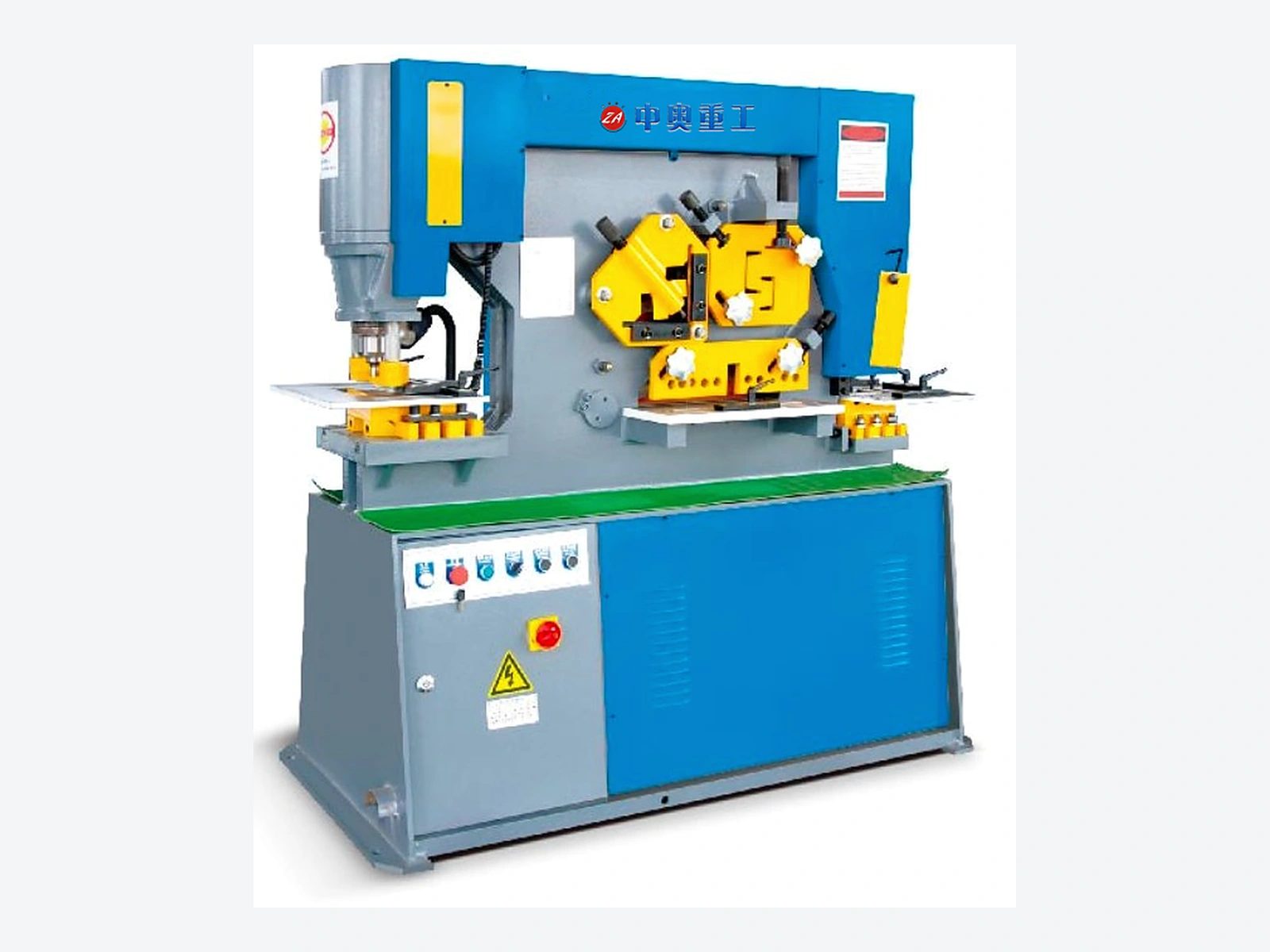
Punch diameter, material thickness and material strength must be assessed together. Plate and profile shearing capacities are checked separately for the required section.
Punches, dies, profile tooling, stops and supports are defined in the supply scope. The machine family name is not a substitute for a confirmed station-by-station capacity specification.
Assess holes in connection plates using diameter, shape, positions and thickness. Include material strength, edge distance and tooling conditions rather than comparing hole diameter alone.
Provide sections and cut requirements separately for plate, angles or other proposed profiles. Suitability depends on the station and tooling; one shearing capacity does not establish every section range.
List station tasks, tool-change frequency and handling arrangements when several part types share a machine. Review positioning and support together, without assuming simultaneous use of stations.
Machine photographs illustrate available configurations. Appearance, controller, tooling, protective devices and auxiliary equipment are subject to the agreed supply scope. Final specifications and acceptance requirements are confirmed in the quotation.
Share the information available using the checklist below to help us review the product against your application. If a complete drawing is not available, start with clear photographs and known dimensions.
The button below opens an email with a product-specific checklist. Fill in the details you know and attach drawings or photographs in your email client.
Email a technical enquiryInformation is for initial review, not a commitment on compatibility, supply or performance. Final materials, geometry, configuration, lead time and acceptance requirements are subject to the confirmed drawing and quotation.
Clarify the operating conditions and interfaces before deciding on materials, geometry or configuration.
No. Punching, plate shearing and each profile-shearing task need independent checks. Strength, thickness, hole diameter and section geometry all matter; a machine family name does not replace station-specific confirmation.
Tooling needs assessment against hole shape, dimensions, thickness, material and machine interfaces. Check edge distance and hole accessibility as well. Shaped holes or unusual parts require drawings for further review.
Do not assume simultaneous operation. Confirm operating methods, station restrictions and protective arrangements for the particular model, and define working practices around personnel, positioning and handling.
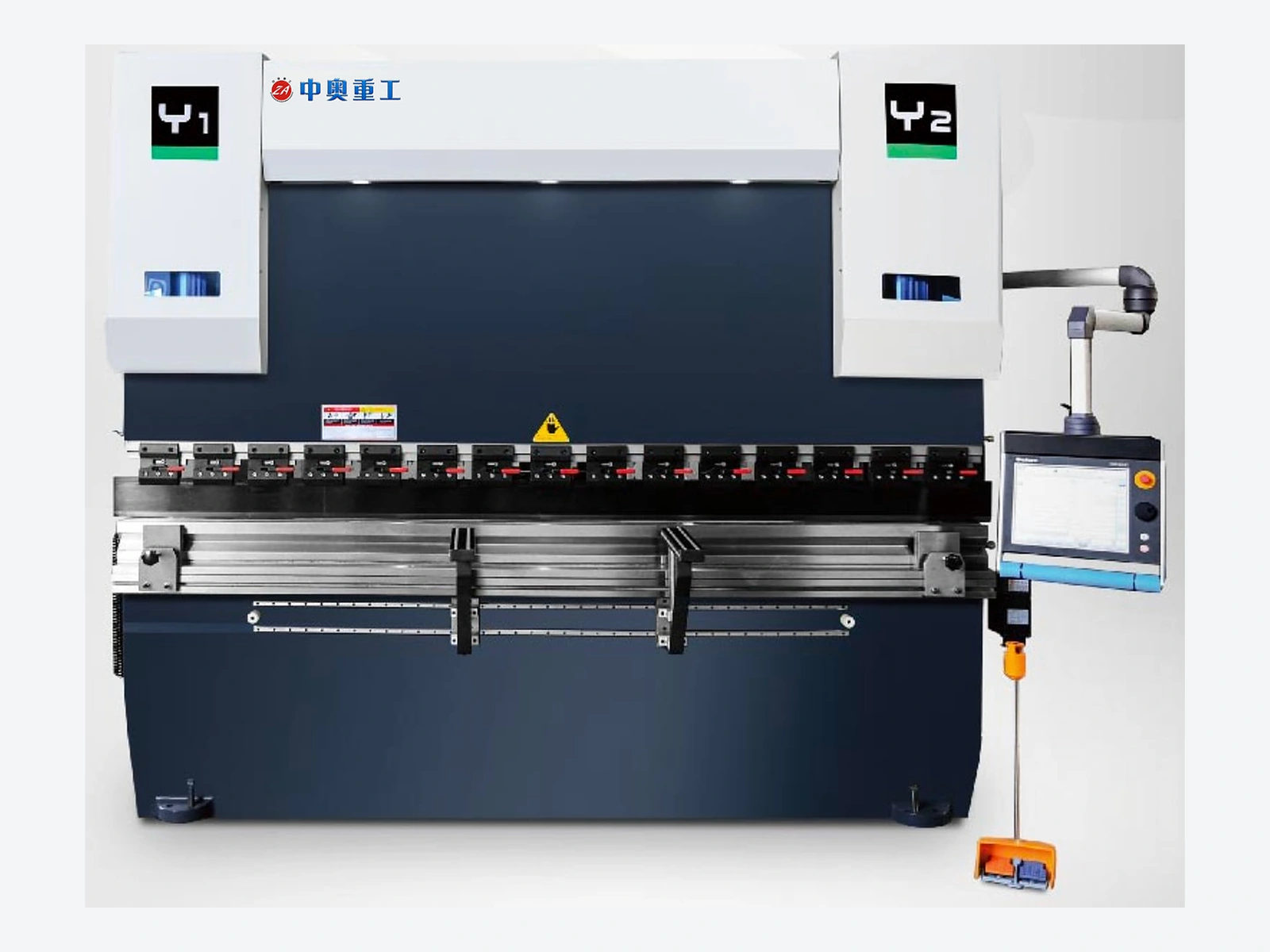
Servo-pump hybrid bending for sheet metal production with application-matched CNC configuration.
View product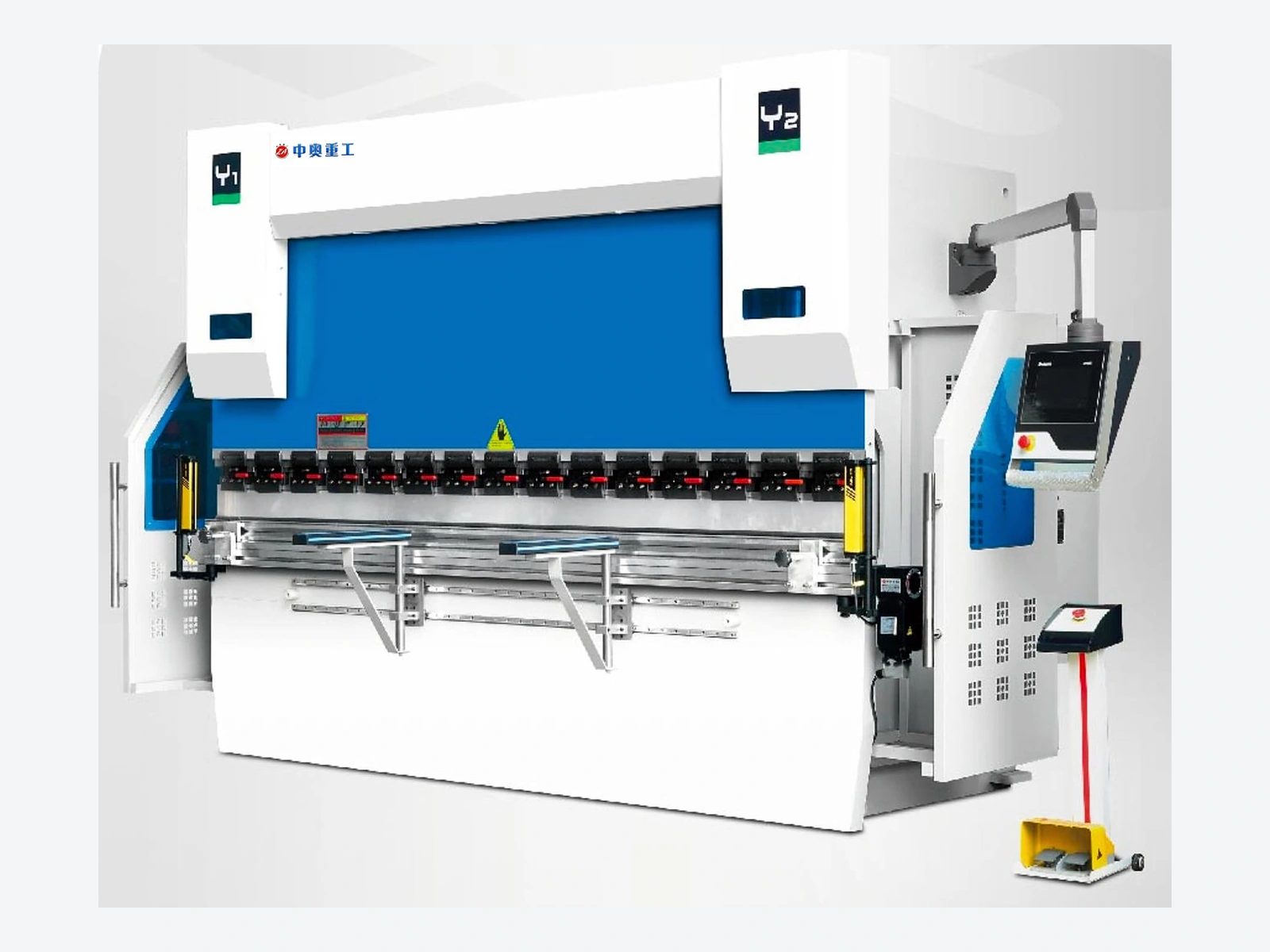
Electro-hydraulic servo bending with configurable CNC control, backgauge and tooling support.
View product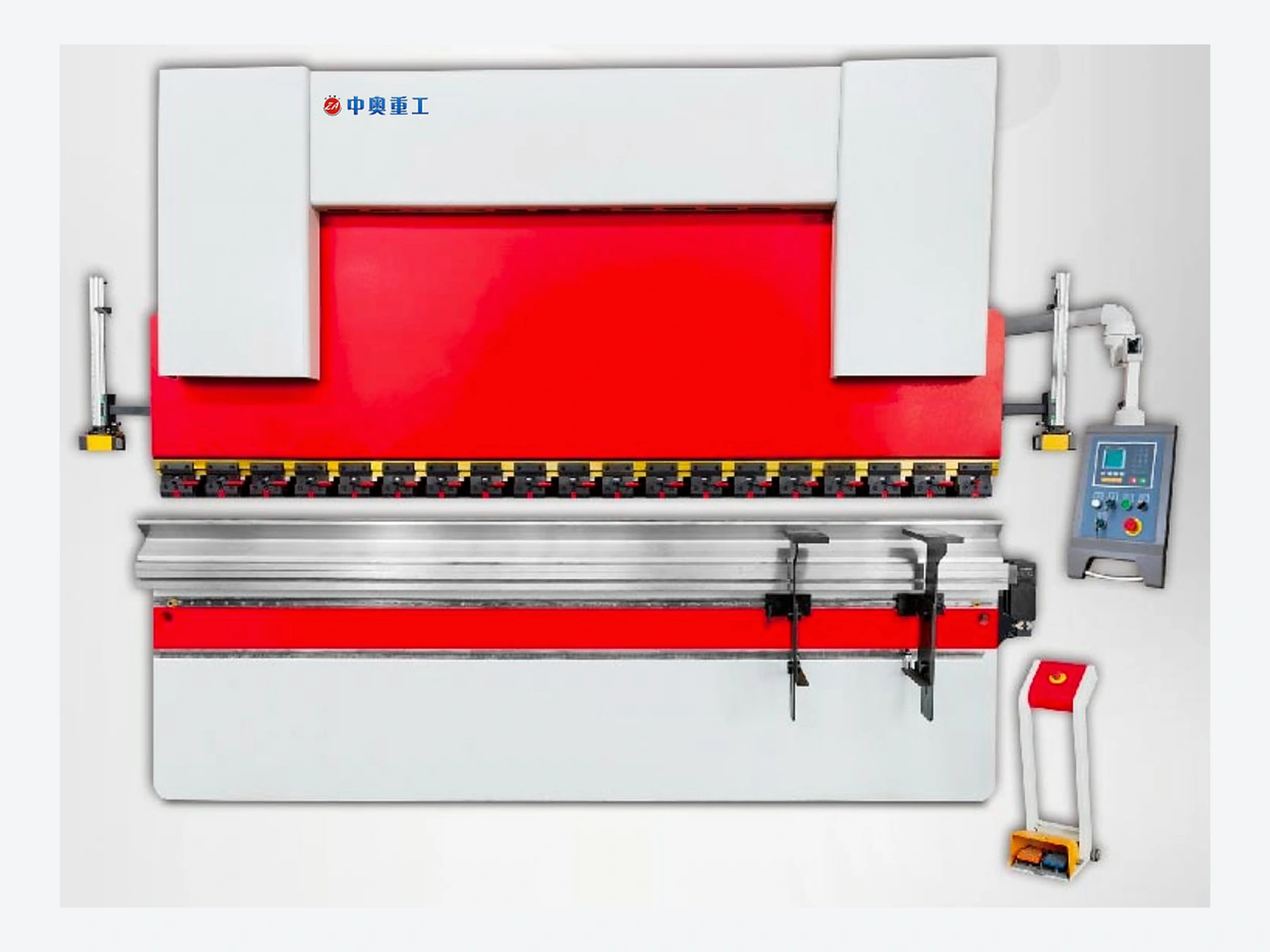
NC hydraulic bending for straightforward sheet metal forming and repeat-part production.
View productShare your material, process, production target and site conditions for a configuration-based quotation.