
Multi-bend sheet metal parts
Assess parts with consecutive flanges, reverse bends or several locating faces. Review the datum and turning method for each stage before discussing controller functions and backgauge movements.
The electro-hydraulic servo CNC press brake is selected around parts that need coordinated bending control and backgauge positioning. Review material, thickness, bend length and the finished profile together before choosing the machine. Tooling, gauge contact points and clearance throughout the bend sequence are part of that assessment. Multi-axis backgauges, crowning, angle measurement and workpiece supports are project-specific choices, with availability and scope confirmed for the quoted configuration.
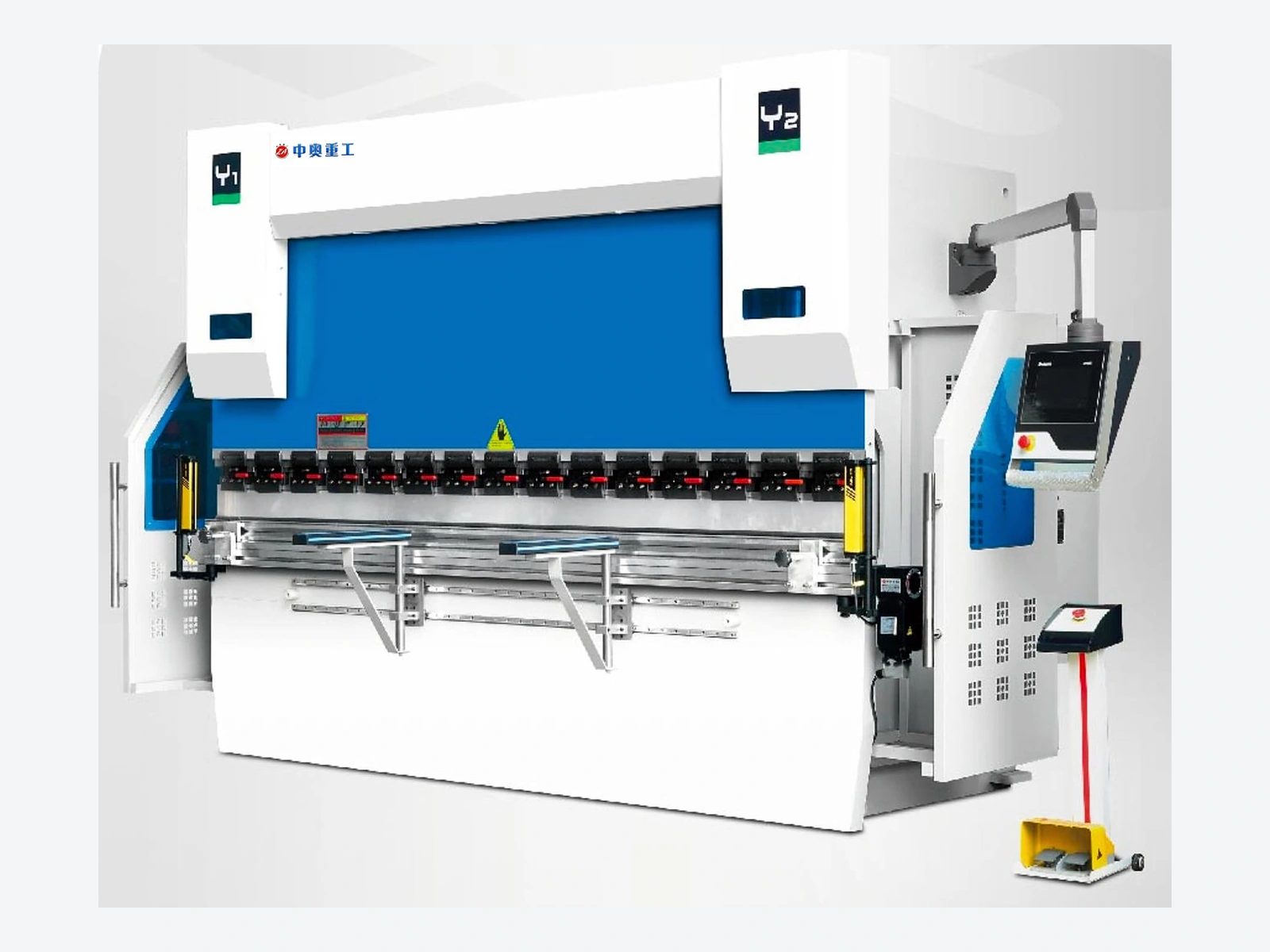
Choose bending force and working length from the actual material, thickness and bend profile. Check throat depth, stroke and opening against the part envelope and tooling.
Multi-axis backgauges and controller options can be reviewed for the required bend sequence. Front supports, angle measurement and clamping arrangements are configuration-specific and must be stated in the quotation. Required protective measures must be confirmed for the installation and applicable safety requirements; they must not be treated as dispensable process options.
Assess parts with consecutive flanges, reverse bends or several locating faces. Review the datum and turning method for each stage before discussing controller functions and backgauge movements.
Use finished-part drawings to review flange heights and assembly requirements for cabinet panels and frame connections. Discuss angle consistency along longer bends and surface requirements as trial-bending and acceptance items.
For mixed, small-batch work, provide representative parts and tooling combinations to review programming and tool-change routines. Function suitability depends on the proposed controller and axis arrangement.
Machine photographs illustrate available configurations. Appearance, controller, tooling, protective devices and auxiliary equipment are subject to the agreed supply scope. Final specifications and acceptance requirements are confirmed in the quotation.
Share the information available using the checklist below to help us review the product against your application. If a complete drawing is not available, start with clear photographs and known dimensions.
The button below opens an email with a product-specific checklist. Fill in the details you know and attach drawings or photographs in your email client.
Email a technical enquiryInformation is for initial review, not a commitment on compatibility, supply or performance. Final materials, geometry, configuration, lead time and acceptance requirements are subject to the confirmed drawing and quotation.
Clarify the operating conditions and interfaces before deciding on materials, geometry or configuration.
Choose axes from the bend order, locating surfaces and part shape rather than the number alone. Turning, support and interference may also need checking. Available functions depend on the specified control system.
Do not assume inclusion. Available angle measurement, mechanical or hydraulic crowning, clamping and support arrangements require model-specific review and a defined quotation scope, including interfaces and acceptance methods.
Provide finished sections, the bend sequence and tooling details to check opening, throat clearance and return-flange interference at each stage. Maximum bend length alone is usually insufficient for a feasibility review.
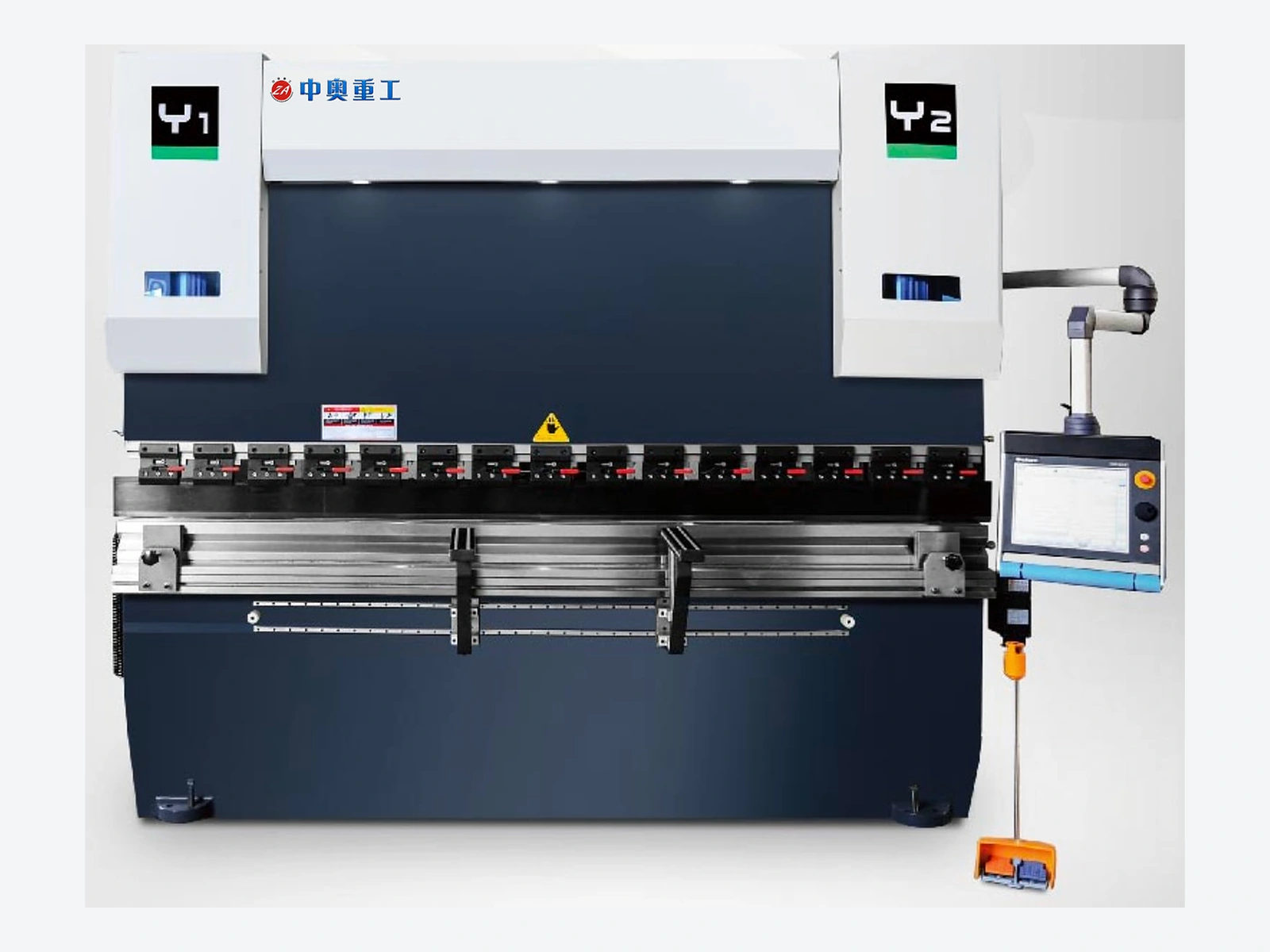
Servo-pump hybrid bending for sheet metal production with application-matched CNC configuration.
View product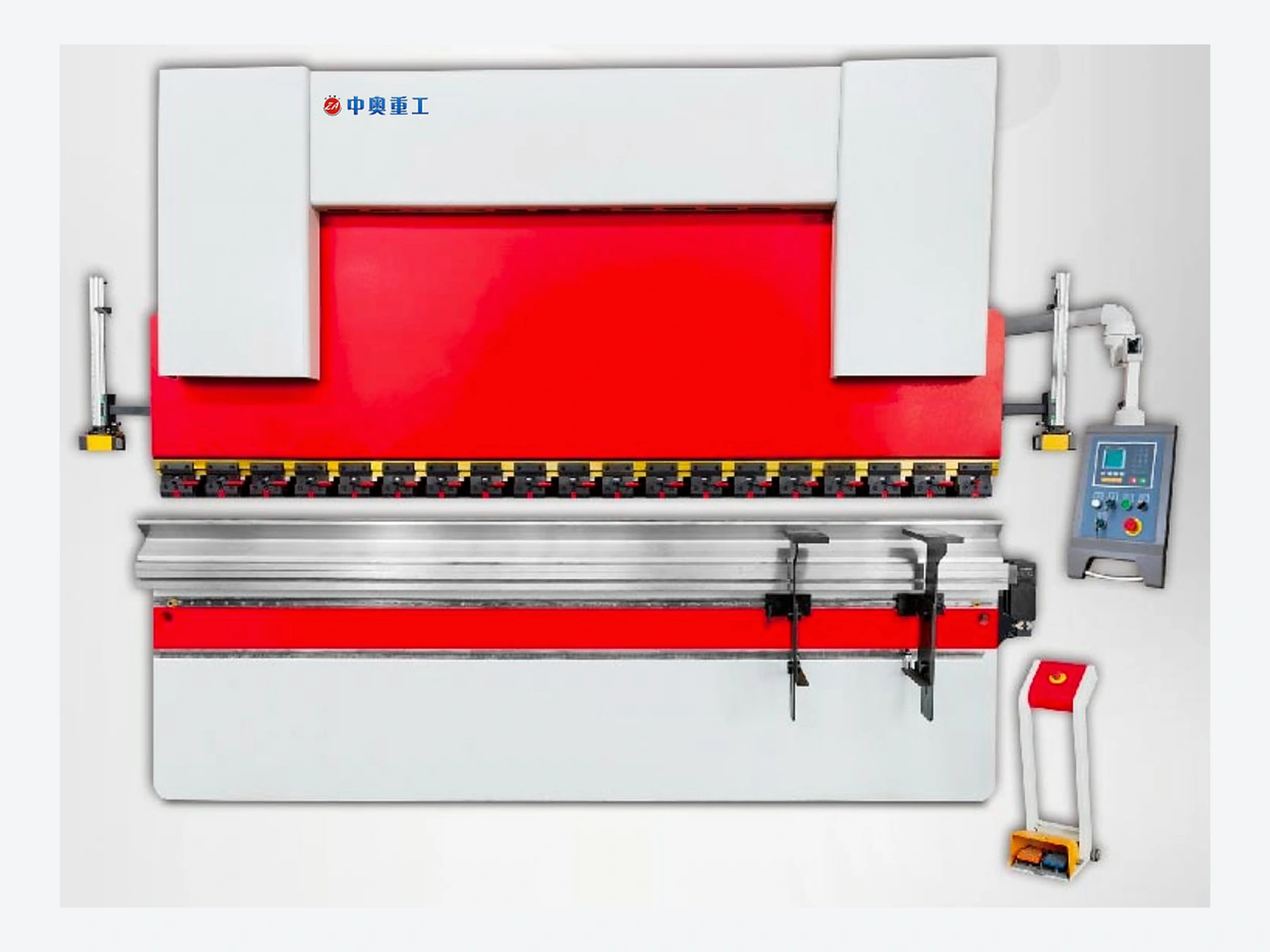
NC hydraulic bending for straightforward sheet metal forming and repeat-part production.
View product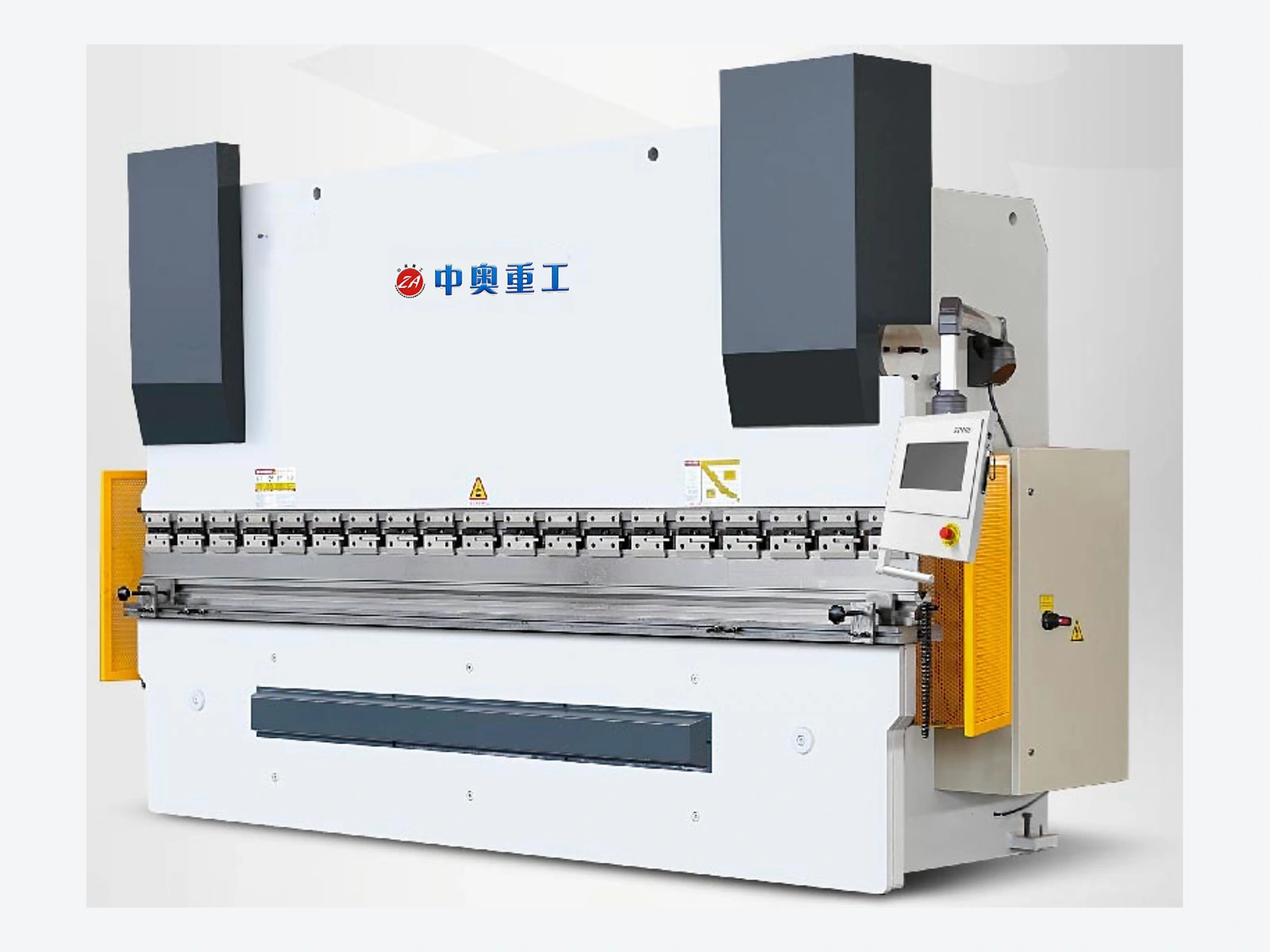
Torsion-bar synchronized bending with NC control and task-matched backgauge arrangements.
View productShare your material, process, production target and site conditions for a configuration-based quotation.