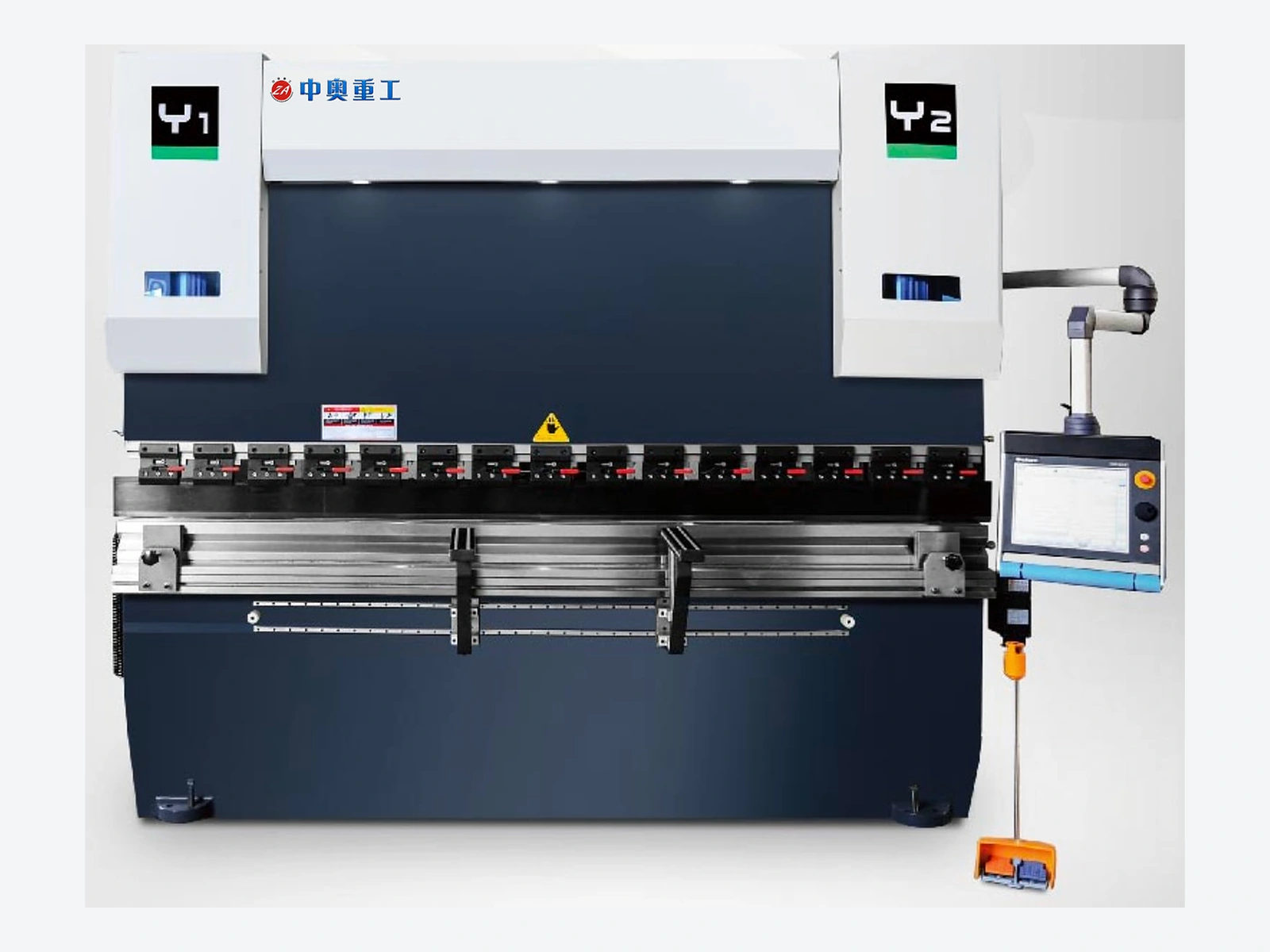
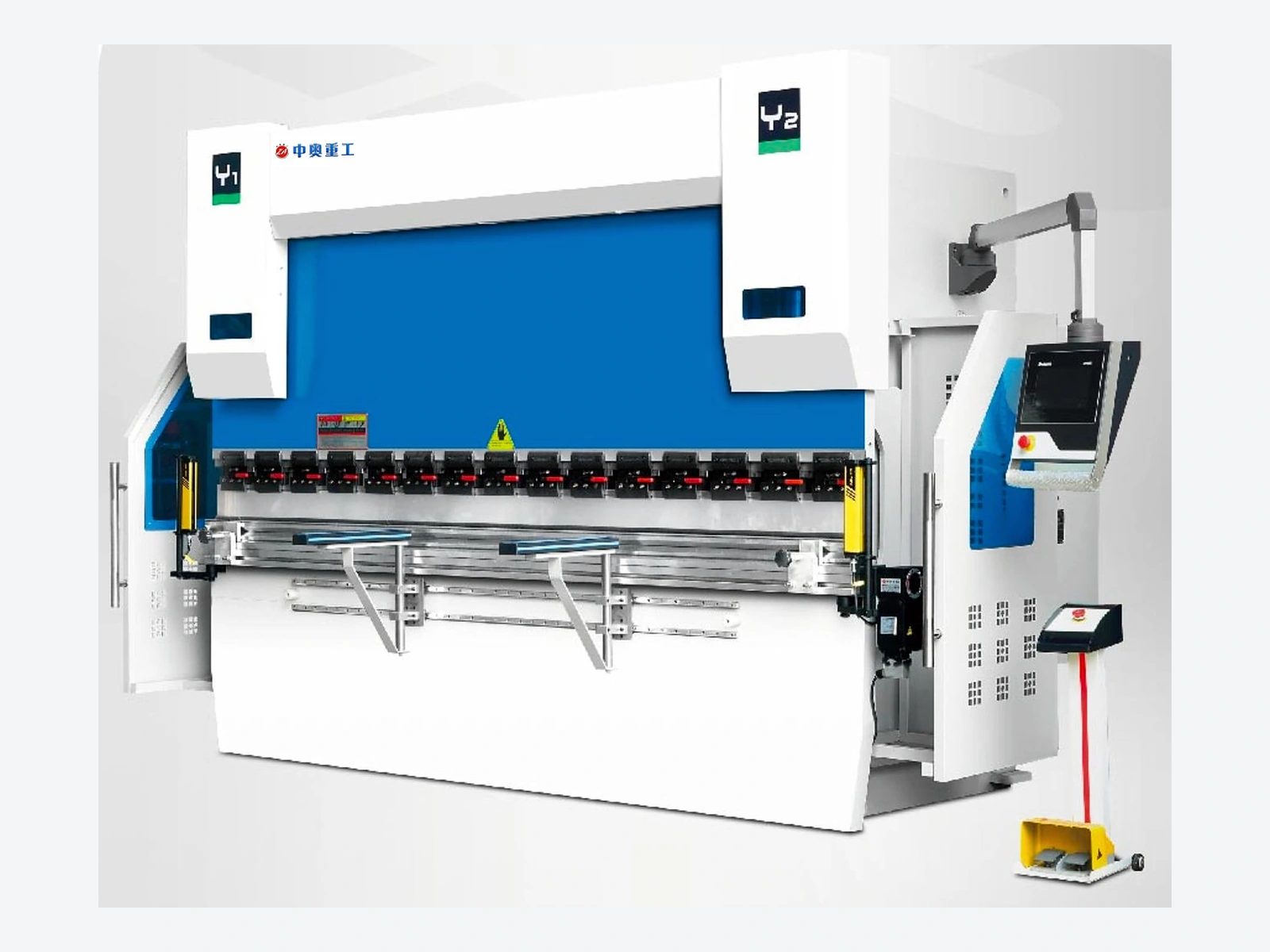
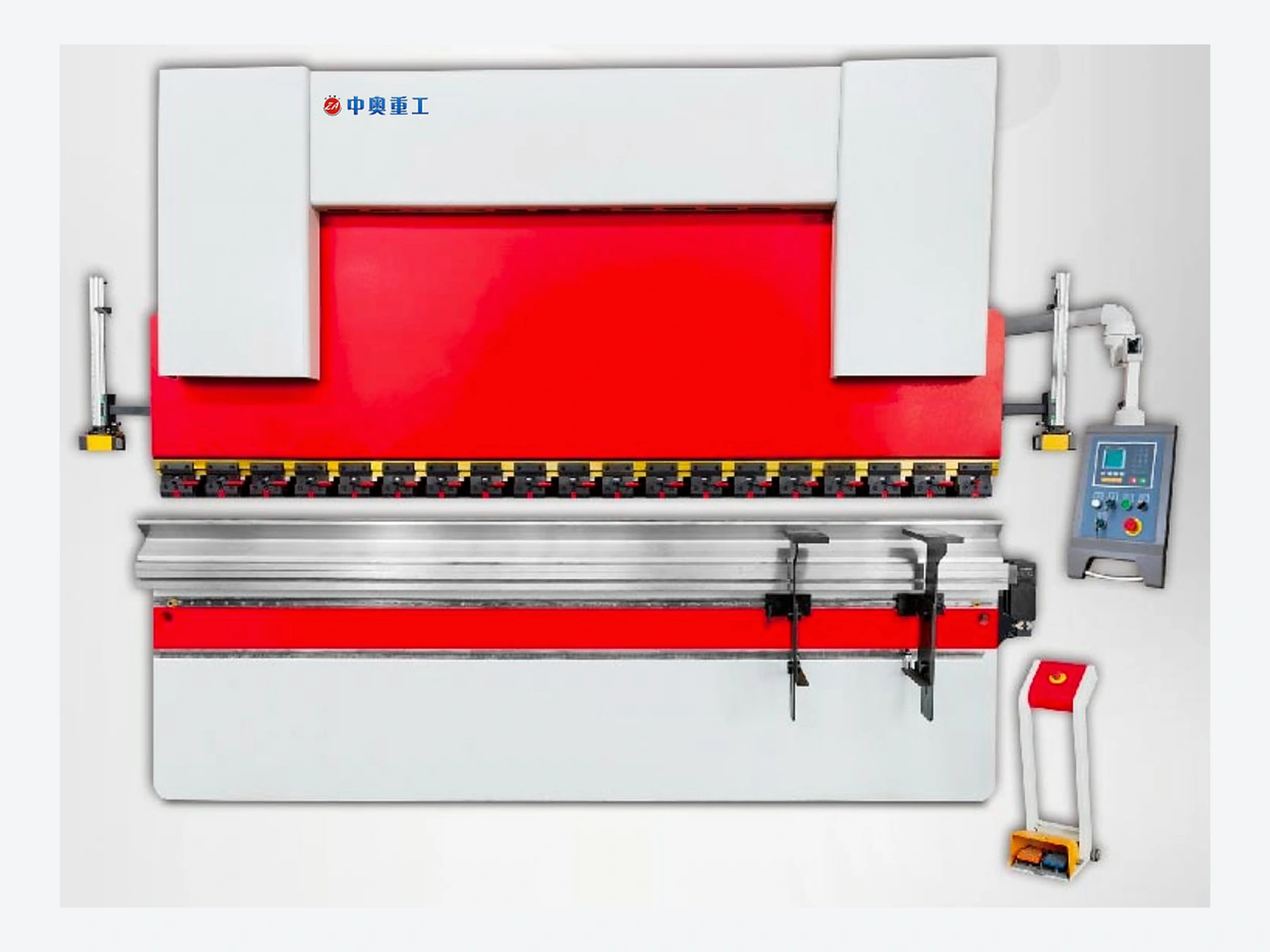
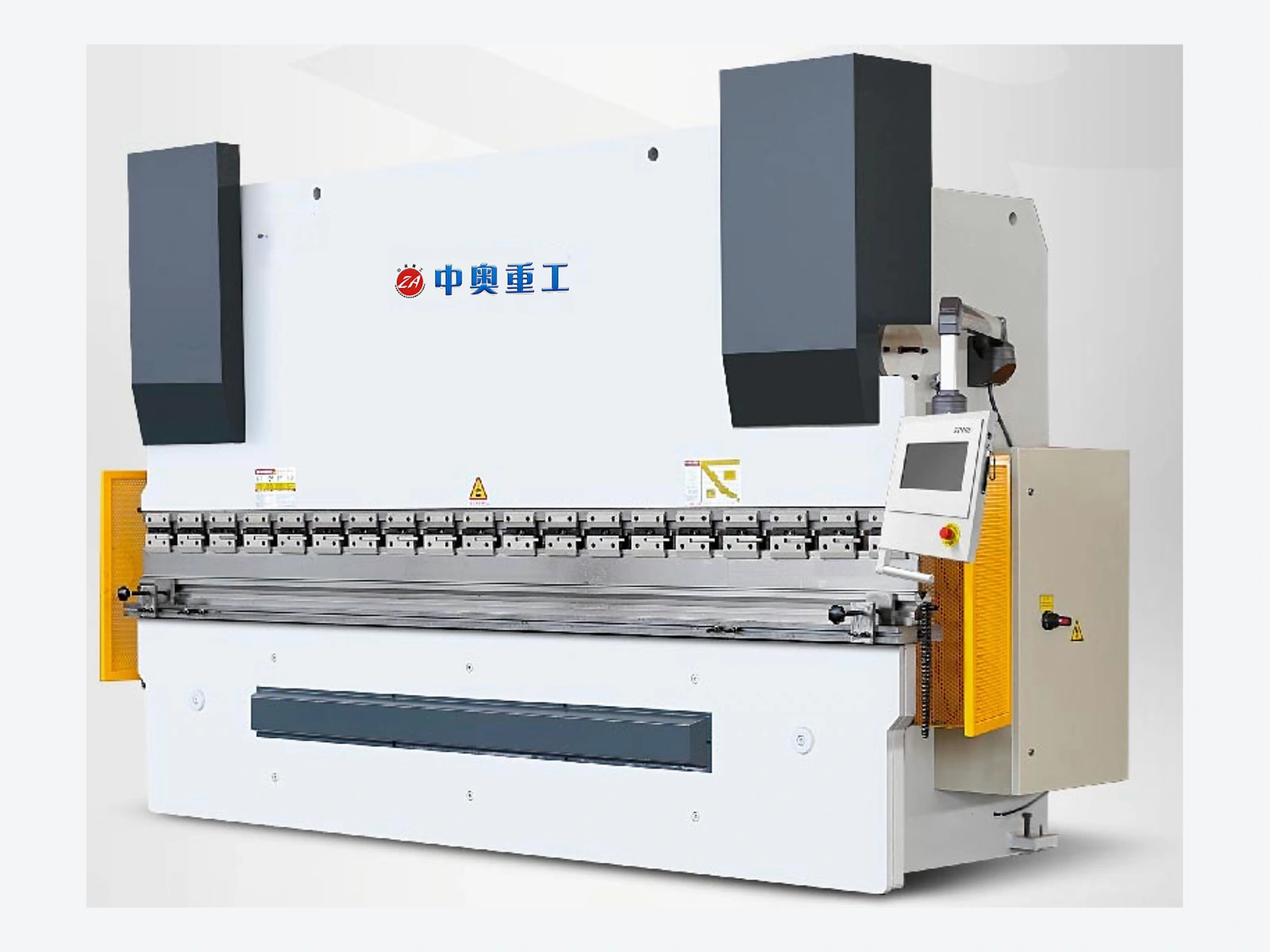
The hybrid CNC press brake combines servo-pump-driven hydraulics with CNC bending control; this is not an all-electric ram-drive arrangement. Selection starts with the material grade, thickness, bend length and finished geometry, rather than the drive description alone. Review the inside radius, tooling and bend sequence before defining the machine. The drive arrangement, backgauge and support options should then be confirmed against the production routine and available site services.
Servo-pump drive
Review the drive and hydraulic arrangement against the actual bending cycle.
Process-led selection
Define the forming approach around inside radius, tooling and springback requirements.
Confirmed configuration
Confirm backgauge, crowning and workpiece supports individually in the agreed quotation.
Review sheet material, thickness, working length and bend geometry together before selecting bending force, stroke and opening height.
Controller, backgauge axes, crowning, clamping and workpiece supports are quotation-specific selections. Servo-pump technology does not imply a fixed energy-saving percentage or universal bending accuracy.
Typical configurations
Servo-pump hybrid drive configuration
CNC control and backgauge options, subject to compatibility
Crowning, clamping and support options confirmed per machine
APPLICATIONS
Typical applications
01
Enclosures and covers
Consider this machine for enclosure and cover parts with several bends. Supply flat patterns and finished-part drawings so flange height, inside radius and bend order can be checked, rather than selecting from overall dimensions alone.
02
Repeat-part production
Review the CNC arrangement against batch size, tool changes and operator tasks. Positioning, turning and handling also affect the production cycle, so the assessment should follow the actual part workflow.
03
Mixed production orders
For mixed materials and parts, list grades, thicknesses and tooling needs separately. Evaluate the drive approach against representative working cycles; the machine designation alone does not establish an operating benefit.
SELECTION NOTES
What to check before selection
Material and tooling
Assess the load from material grade, thickness and bend length, together with the required inside radius, V-opening and tool load limits. Include springback and surface requirements in trial-bending and acceptance discussions.
Complete bending path
Check throat clearance, opening, backgauge contact and tooling interference at each stage of forming. Deep boxes and return flanges cannot be assessed from the flat pattern dimensions alone.
Drive and installation
Provide batch sizes, bending cycles and the site power supply for review of the servo-pump arrangement. Confirm crowning, clamping, supports and protective provisions separately in the quotation.
Machine photographs illustrate available configurations. Appearance, controller, tooling, protective devices and auxiliary equipment are subject to the agreed supply scope. Final specifications and acceptance requirements are confirmed in the quotation.
START WITH YOUR APPLICATION
Prepare your enquiry
Share the information available using the checklist below to help us review the product against your application. If a complete drawing is not available, start with clear photographs and known dimensions.
Material grades, thickness range and known strength
Maximum bend length, inside radius and finished-part drawings
Bend sequence, existing tooling and V-opening details
Batch quantities, tool-change frequency and support needs
Site voltage, frequency, installation space and destination
A clearer brief. A more useful discussion.
The button below opens an email with a product-specific checklist. Fill in the details you know and attach drawings or photographs in your email client.
Information is for initial review, not a commitment on compatibility, supply or performance. Final materials, geometry, configuration, lead time and acceptance requirements are subject to the confirmed drawing and quotation.
PRACTICAL QUESTIONS
Practical selection questions
Clarify the operating conditions and interfaces before deciding on materials, geometry or configuration.
Does hybrid drive imply a fixed energy saving?
No fixed percentage follows from the drive description. Material, bending cycles, idle time and auxiliary equipment affect consumption. Any assessment needs an agreed operating duty rather than a universal saving claim.
Can existing tools be reused?
Tool interfaces, length, V-opening, inside radius and permitted loads need checking, along with clamping and workpiece compatibility. Supply tooling drawings or measured details for an application review.
Which options need separate confirmation?
The CNC system, backgauge axes, crowning, clamping and workpiece supports require task-specific confirmation. Photographs are not a complete supply list; protective provisions and acceptance requirements also belong in the agreement.