Straightforward flange work
Review parts with relatively direct bending sequences. Provide flange dimensions and angles to check positioning, tooling and springback. A simple outline does not remove the need for a process review.
The NC hydraulic press brake provides a basis for reviewing straightforward bending and repeat-part routines with task-matched control and positioning. Selection should focus on the functions the work actually needs. Assess material grade, thickness, the longest bend, tooling and operating clearance together. A machine family name does not establish controller functions, axis layouts or suitability for complex parts; these require confirmation against the proposed machine and the complete bend sequence.
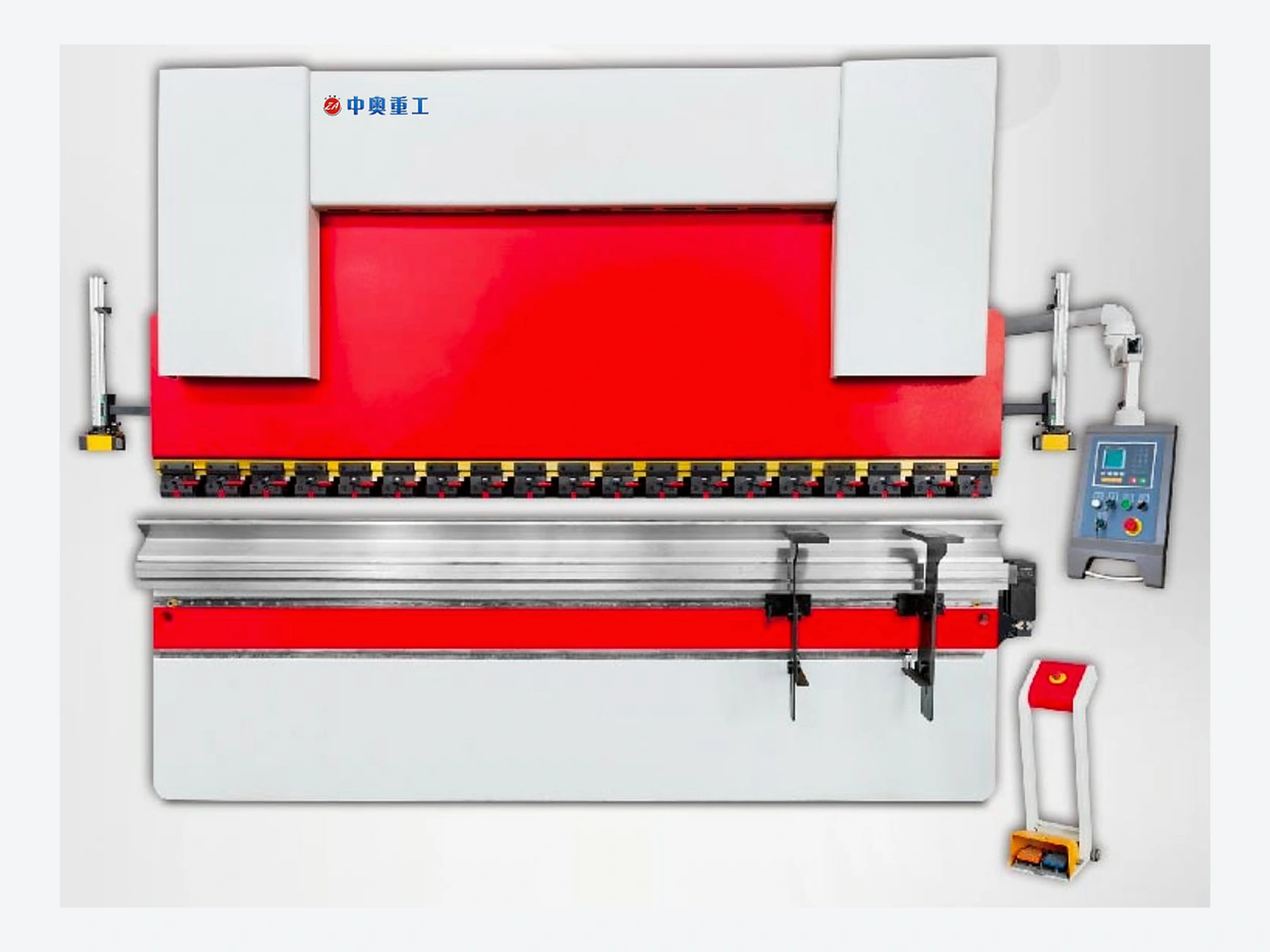
Start with material grade, thickness and the longest bend. Then review bending force, backgauge travel, tooling and the clearance needed for the finished part.
NC control, backgauge, front supports and tooling are confirmed for the selected machine. Do not infer the same controller functions or axis arrangement across all WC67K configurations.
Review parts with relatively direct bending sequences. Provide flange dimensions and angles to check positioning, tooling and springback. A simple outline does not remove the need for a process review.
For recurring parts, list common thicknesses, bend lengths and batch sizes to review locating and operating steps. Suitability for the production routine depends on the confirmed control functions.
Assess the machine as a forming stage after shearing or profile cutting, including existing tooling. Review dimensional variation, turning clearance and the connection with upstream and downstream material handling.
Machine photographs illustrate available configurations. Appearance, controller, tooling, protective devices and auxiliary equipment are subject to the agreed supply scope. Final specifications and acceptance requirements are confirmed in the quotation.
Share the information available using the checklist below to help us review the product against your application. If a complete drawing is not available, start with clear photographs and known dimensions.
The button below opens an email with a product-specific checklist. Fill in the details you know and attach drawings or photographs in your email client.
Email a technical enquiryInformation is for initial review, not a commitment on compatibility, supply or performance. Final materials, geometry, configuration, lead time and acceptance requirements are subject to the confirmed drawing and quotation.
Clarify the operating conditions and interfaces before deciding on materials, geometry or configuration.
This depends on the functions of the selected controller and axis arrangement. Provide the bend sequence, positioning dimensions and repeat-production needs for review. The series name alone does not establish programming capability.
No. Material grade, bend length, inside radius and tool V-opening are also needed. The part shape and forming sequence affect clearance requirements, so provide complete drawings for assessment.
Provide interfaces, dimensions, V-openings and tool load limits for assessment. Clamping compatibility and finished-part clearance also need checking. Suitability depends on the particular machine and workpiece.
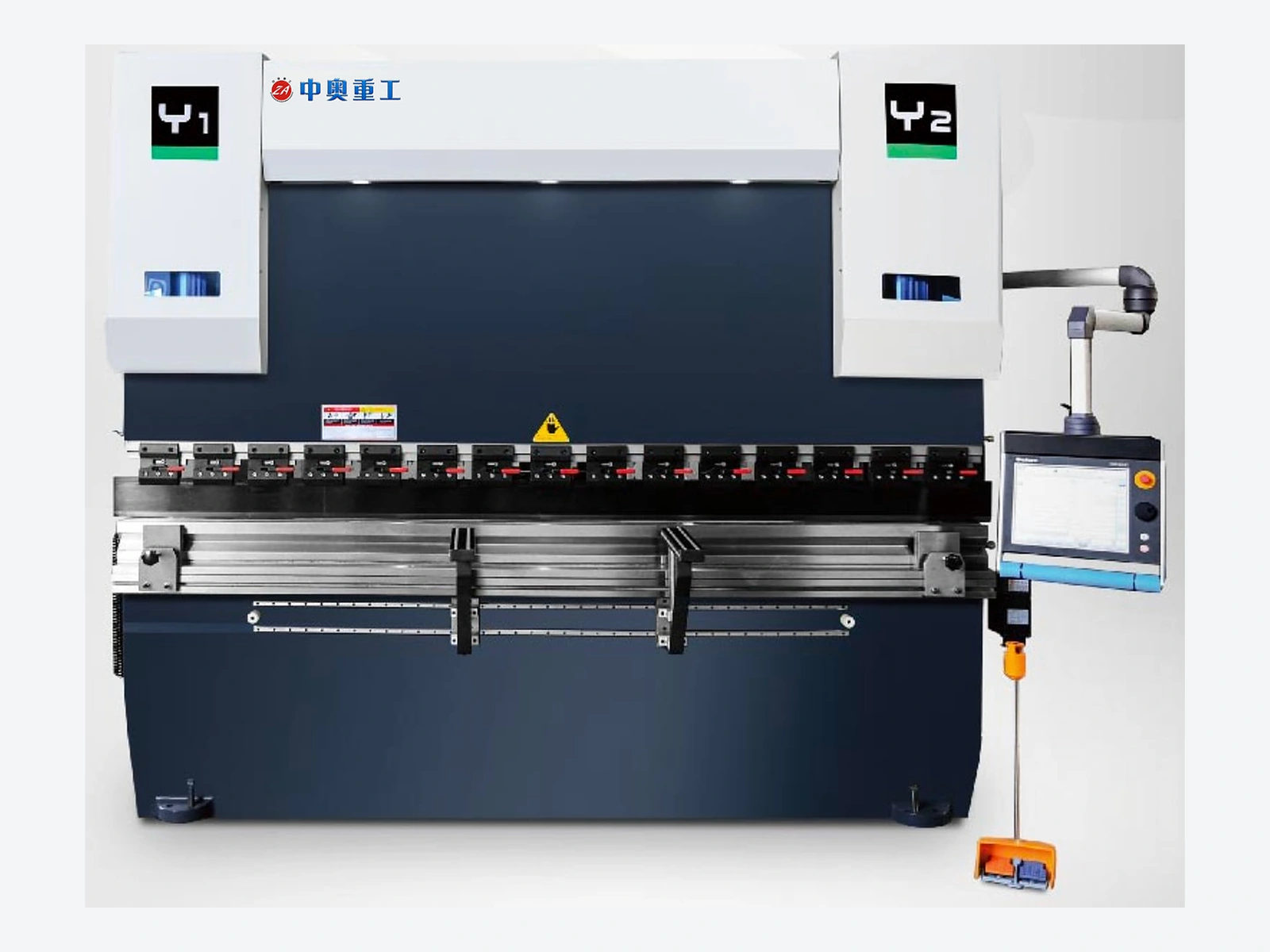
Servo-pump hybrid bending for sheet metal production with application-matched CNC configuration.
View product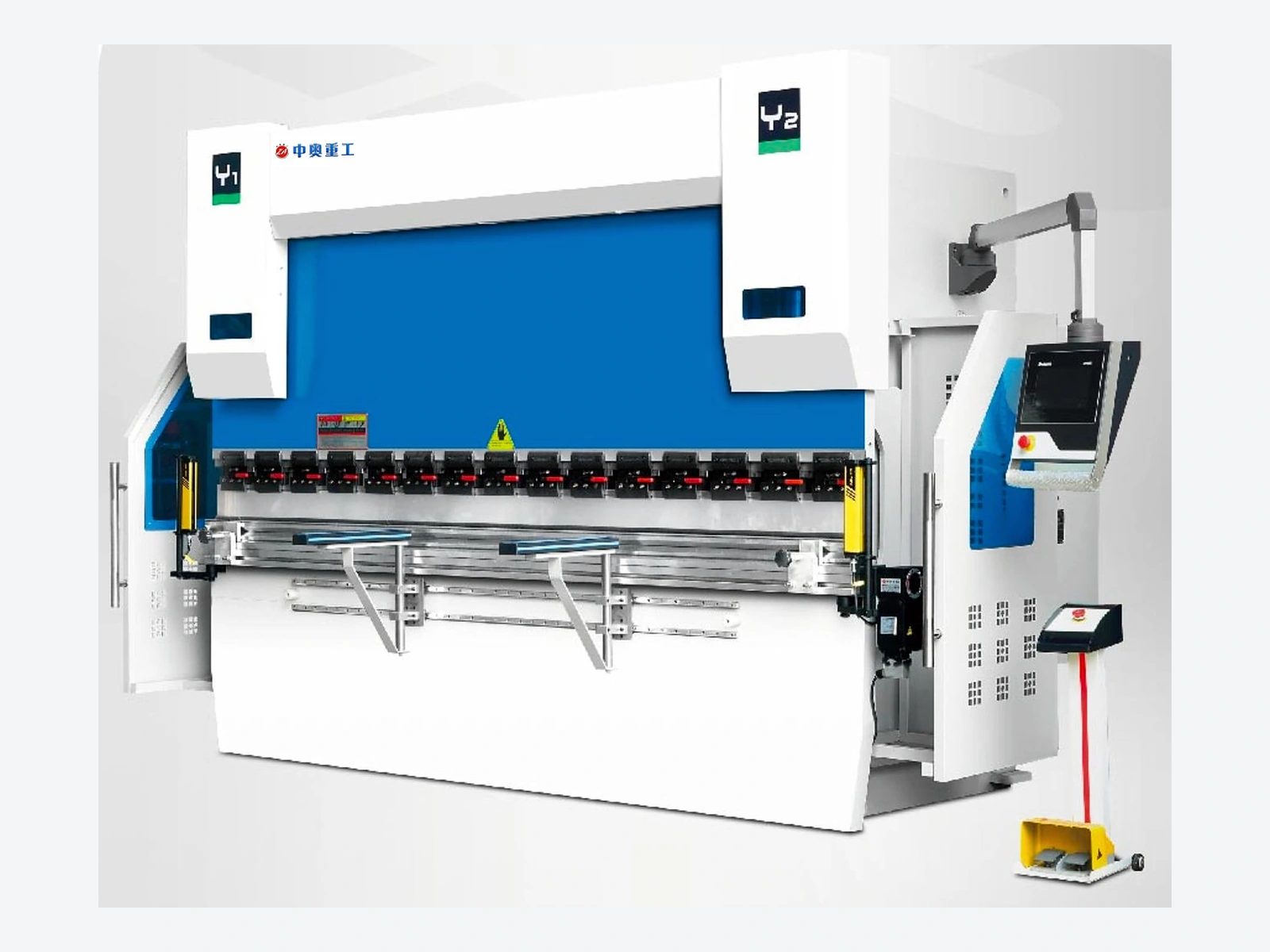
Electro-hydraulic servo bending with configurable CNC control, backgauge and tooling support.
View product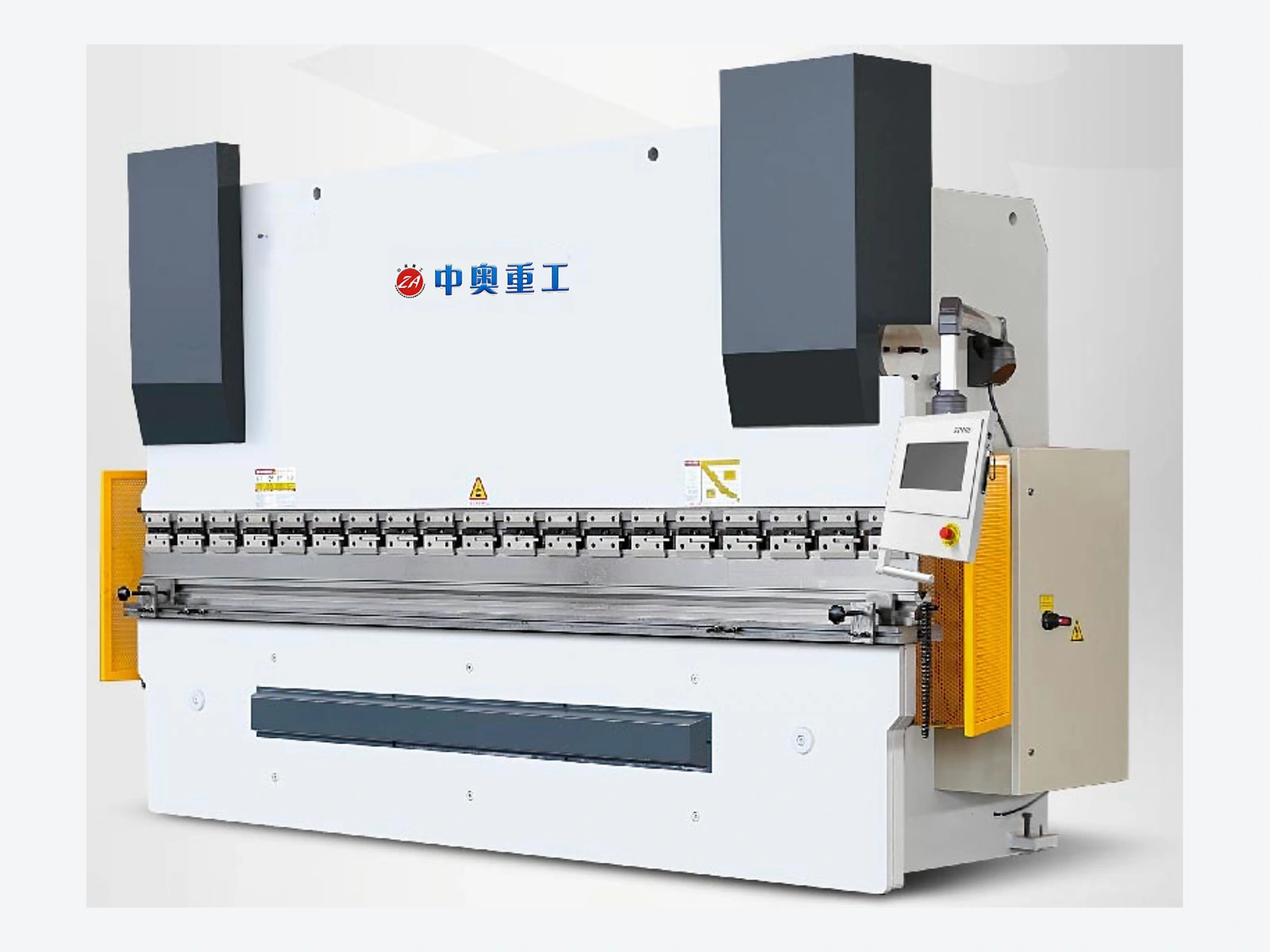
Torsion-bar synchronized bending with NC control and task-matched backgauge arrangements.
View productShare your material, process, production target and site conditions for a configuration-based quotation.