
Straight blanks before bending
Assess straight blanking as a stage before bending. Define blank dimensions, edge requirements and downstream locating datums to review whether the sheared parts suit the next process.
The hydraulic swing-beam shear is intended for straight sheet cutting using a swing-beam cutting arrangement. Selection brings material strength, thickness and cutting width into the same review. Beyond blank dimensions, define blade-clearance needs, the backgauge range and sheet support requirements. Narrow strips, thin sheets and large blanks each need their own handling and cut-quality assessment against the actual workpiece, proposed machine and agreed supply configuration before the equipment is specified.
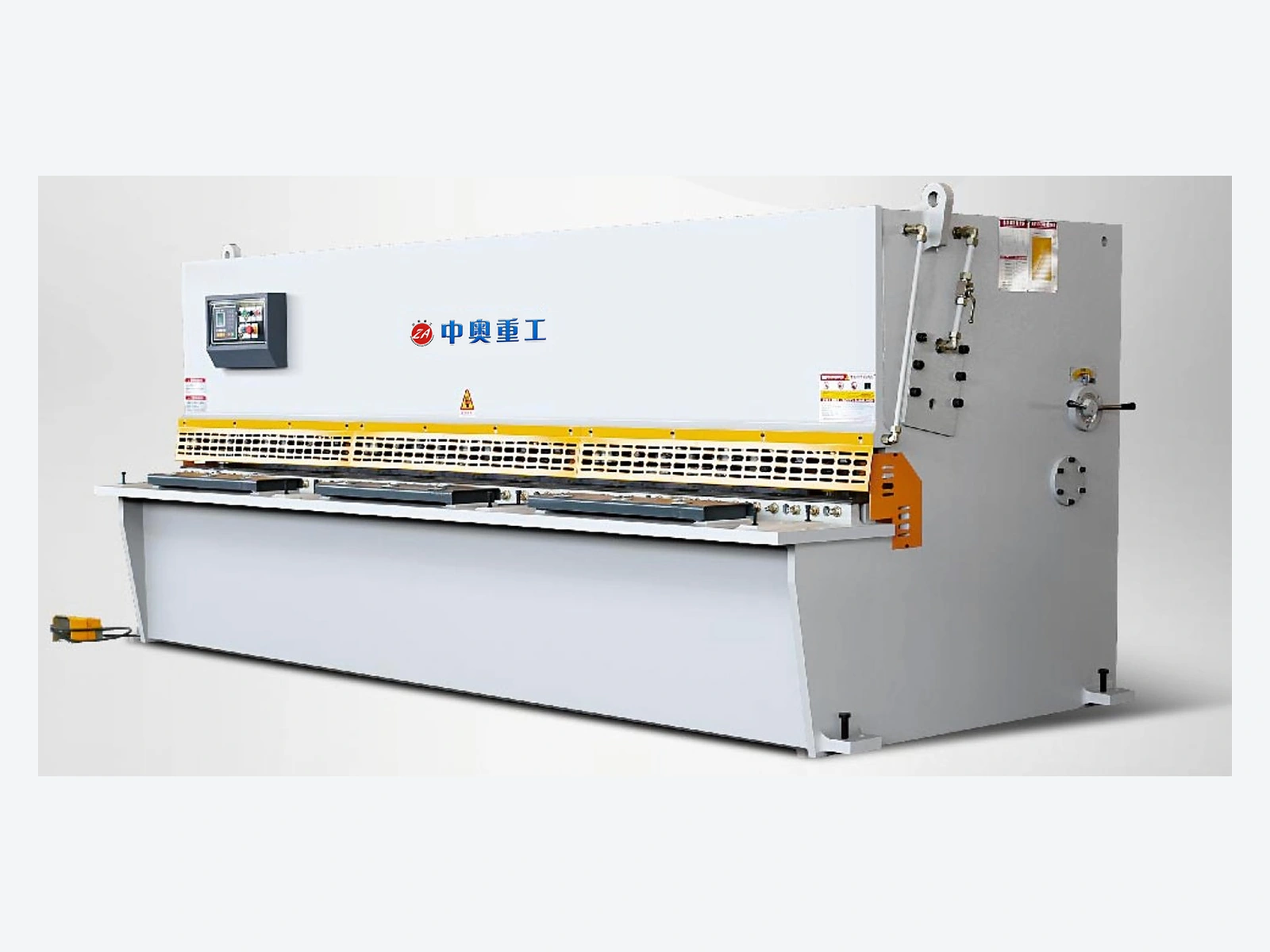
Material strength, sheet thickness and cutting length must be reviewed together. Backgauge travel, blade clearance and sheet supports are part of the selection discussion.
Controller functions, positioning, stroke adjustment and support arrangements depend on the selected configuration. Cutting capacity and cycle rate are confirmed per model; no universal capacity is implied.
Assess straight blanking as a stage before bending. Define blank dimensions, edge requirements and downstream locating datums to review whether the sheared parts suit the next process.
Review backgauge and control functions against target dimensions and batch quantities. Positioning methods, sheet support and operator steps still need checking; a controller name does not establish the result.
For splitting sheets or trimming edges, provide original sheet dimensions, strip widths and offcut handling. Assess strip distortion and edge requirements using the material, clearance and representative samples.
Machine photographs illustrate available configurations. Appearance, controller, tooling, protective devices and auxiliary equipment are subject to the agreed supply scope. Final specifications and acceptance requirements are confirmed in the quotation.
Share the information available using the checklist below to help us review the product against your application. If a complete drawing is not available, start with clear photographs and known dimensions.
The button below opens an email with a product-specific checklist. Fill in the details you know and attach drawings or photographs in your email client.
Email a technical enquiryInformation is for initial review, not a commitment on compatibility, supply or performance. Final materials, geometry, configuration, lead time and acceptance requirements are subject to the confirmed drawing and quotation.
Clarify the operating conditions and interfaces before deciding on materials, geometry or configuration.
The structure does not establish material suitability. Provide grade, strength, thickness and cutting width for review against the machine and blades. Unusual materials may need further assessment.
Provide the material, strip width, dimensions and distortion requirements. Review blade clearance, support and working conditions, with representative cutting trials where needed. Rated thickness does not replace cut-quality validation.
No common arrangement should be assumed. Confirm control functions, gauge range and support form individually. Provide sheet sizes and operating methods, and define the configuration in the quotation rather than from photographs.
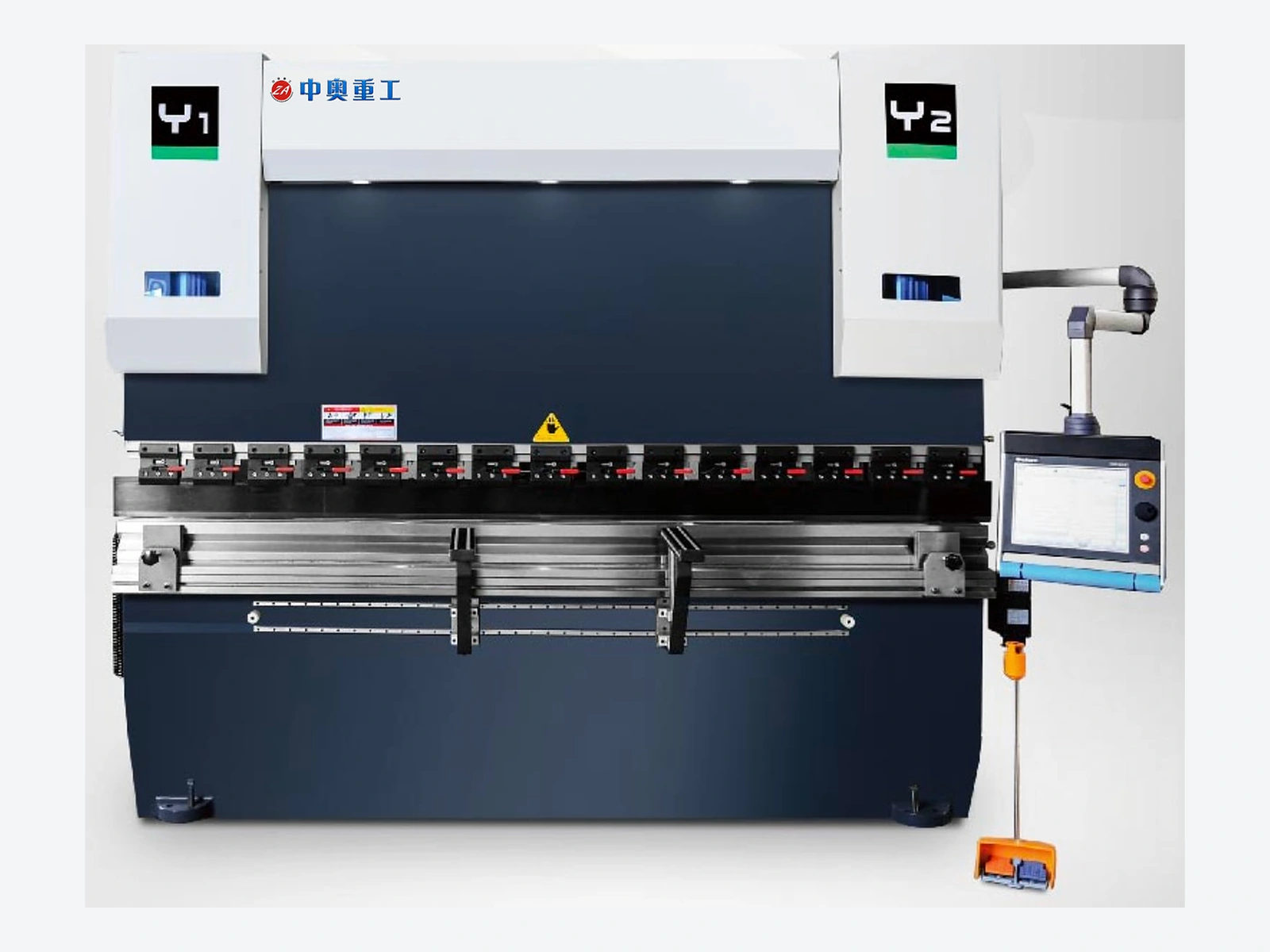
Servo-pump hybrid bending for sheet metal production with application-matched CNC configuration.
View product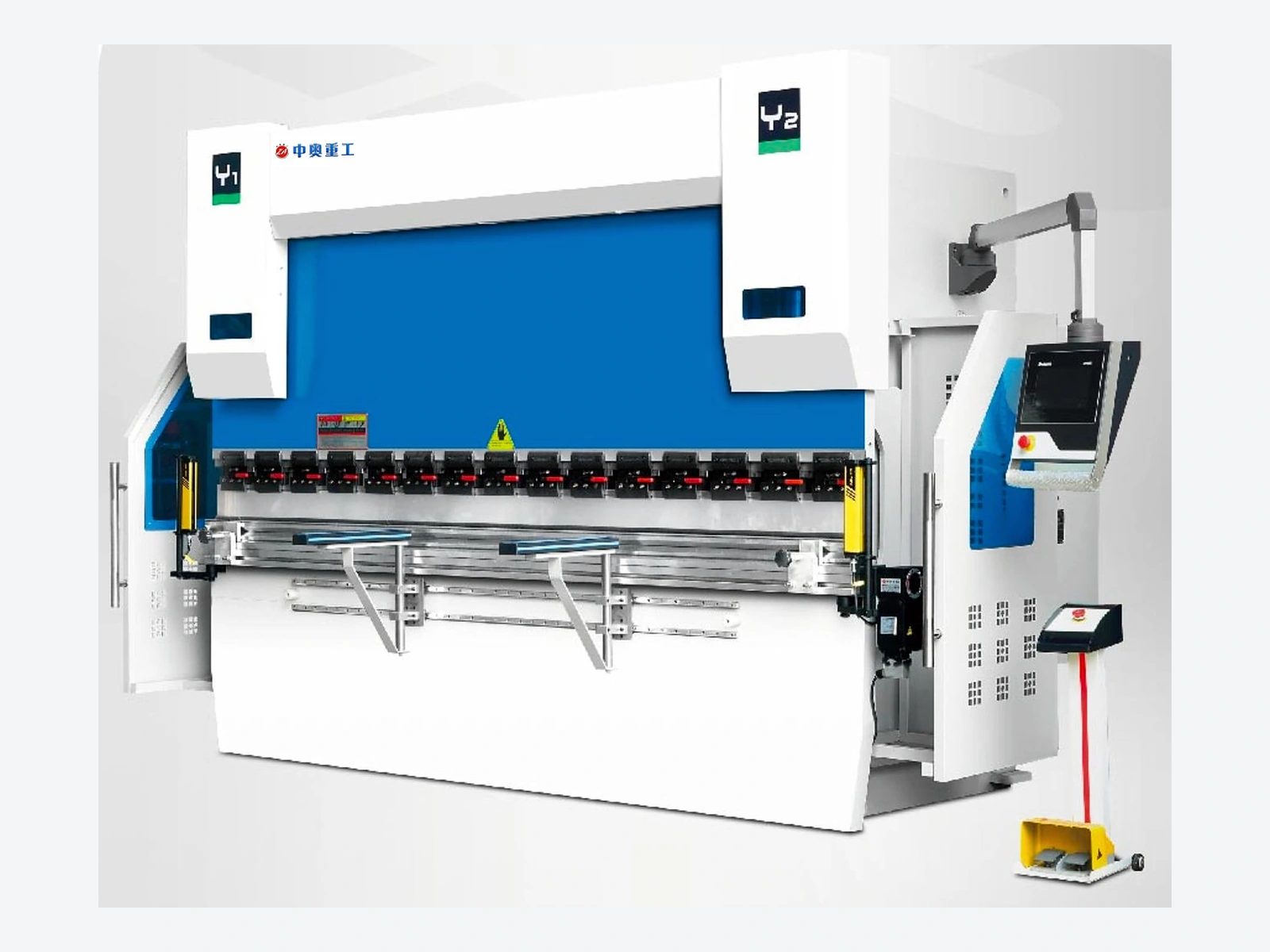
Electro-hydraulic servo bending with configurable CNC control, backgauge and tooling support.
View product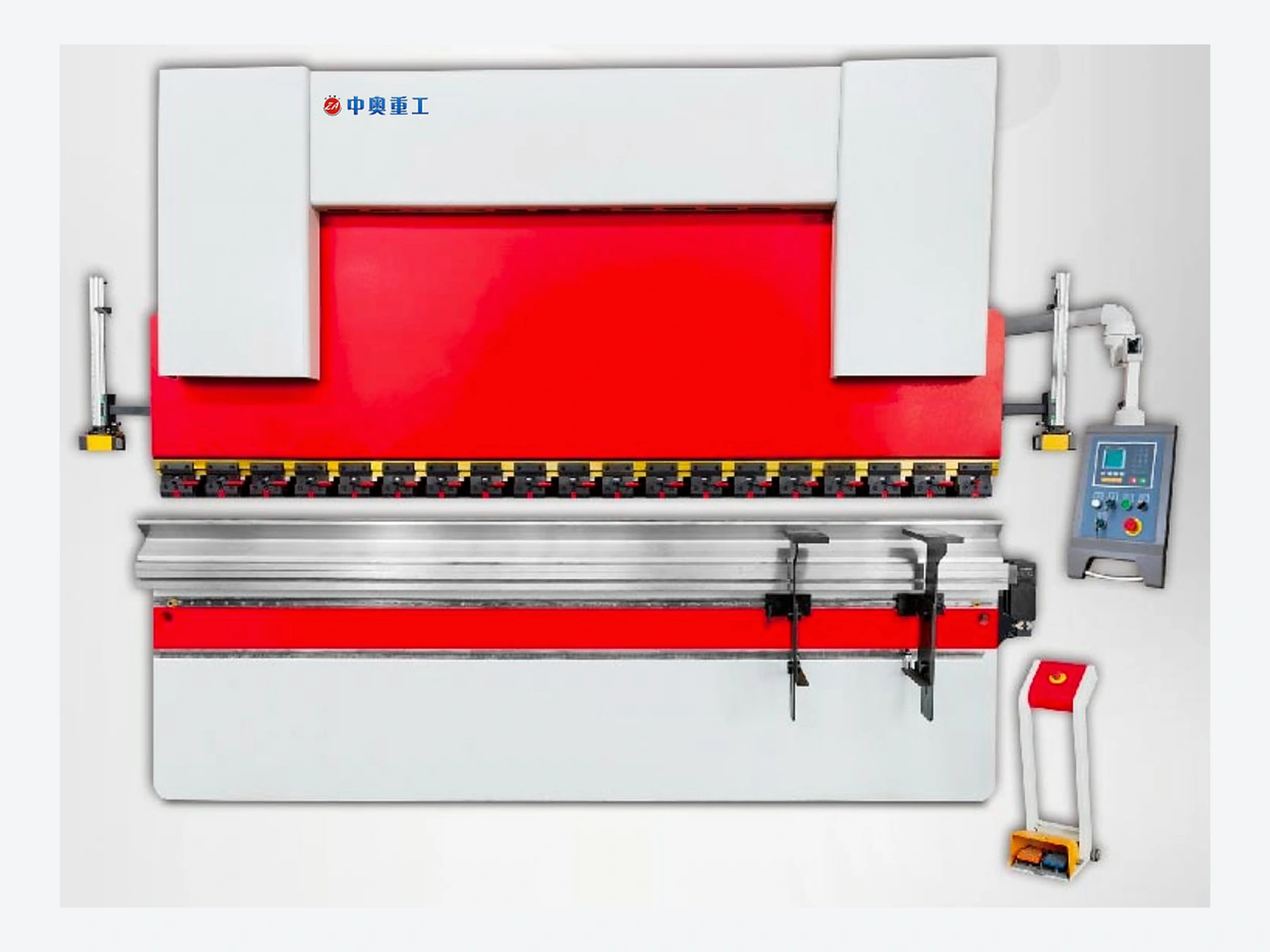
NC hydraulic bending for straightforward sheet metal forming and repeat-part production.
View productShare your material, process, production target and site conditions for a configuration-based quotation.