Cooling and material-transfer areas
Contact parts in these areas face heat and wear. Temperature, abrasion, impact and the current failure mode guide the component review.
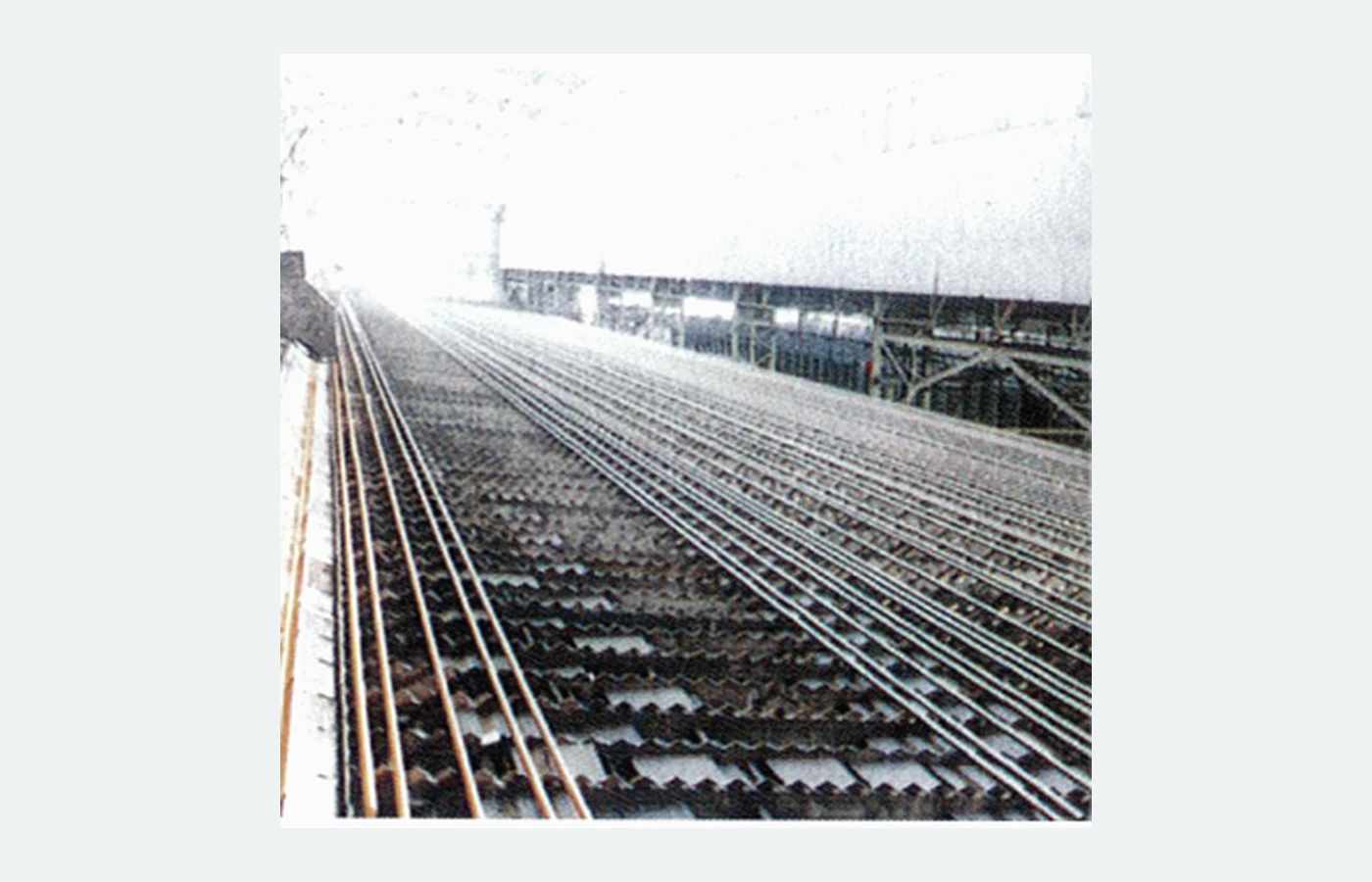
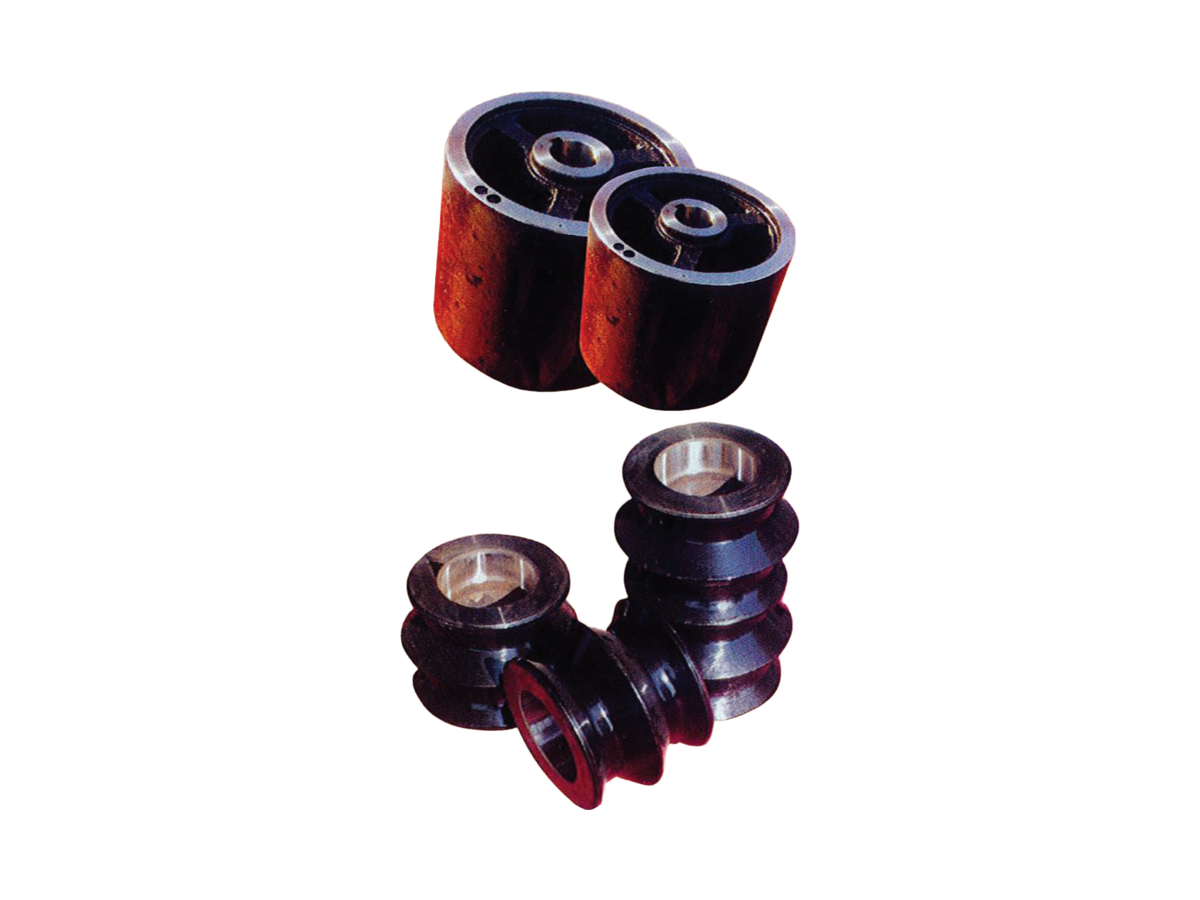
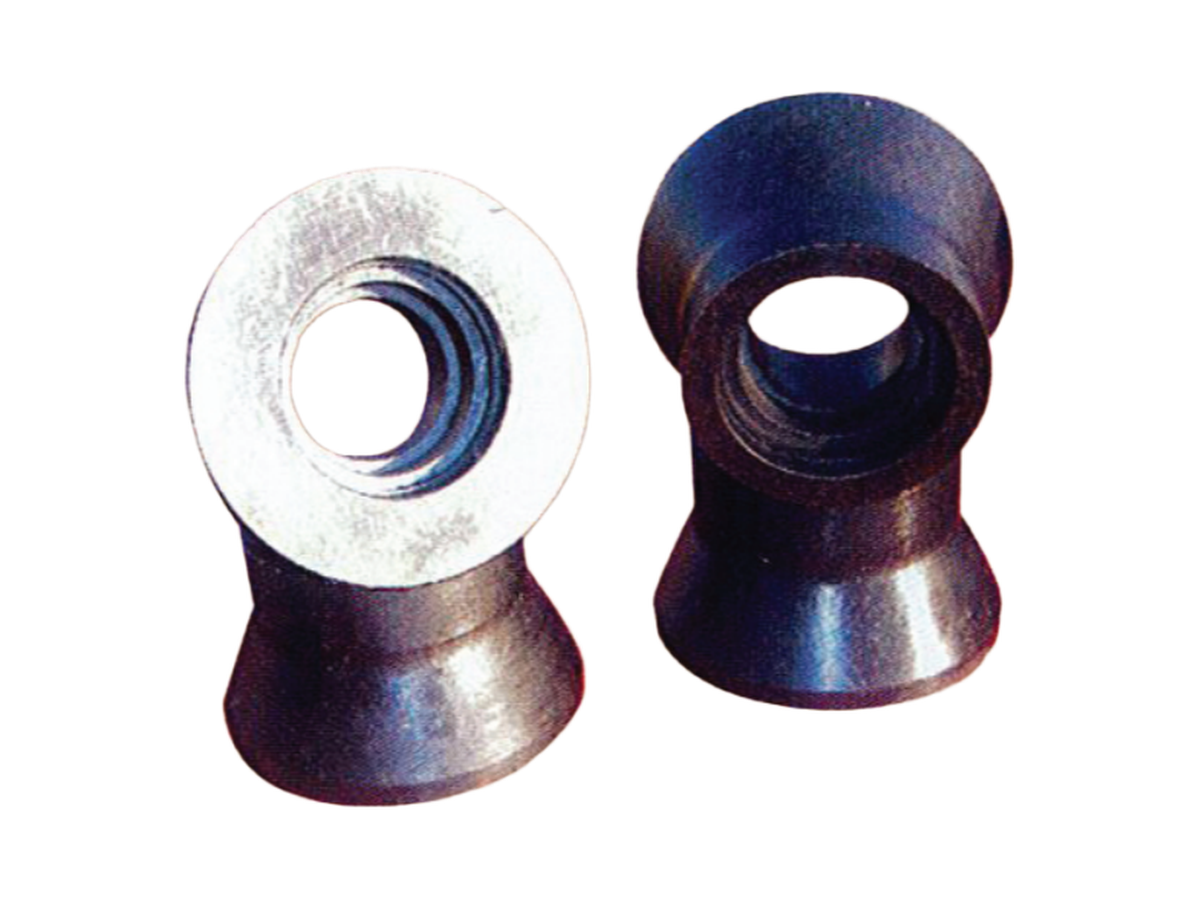
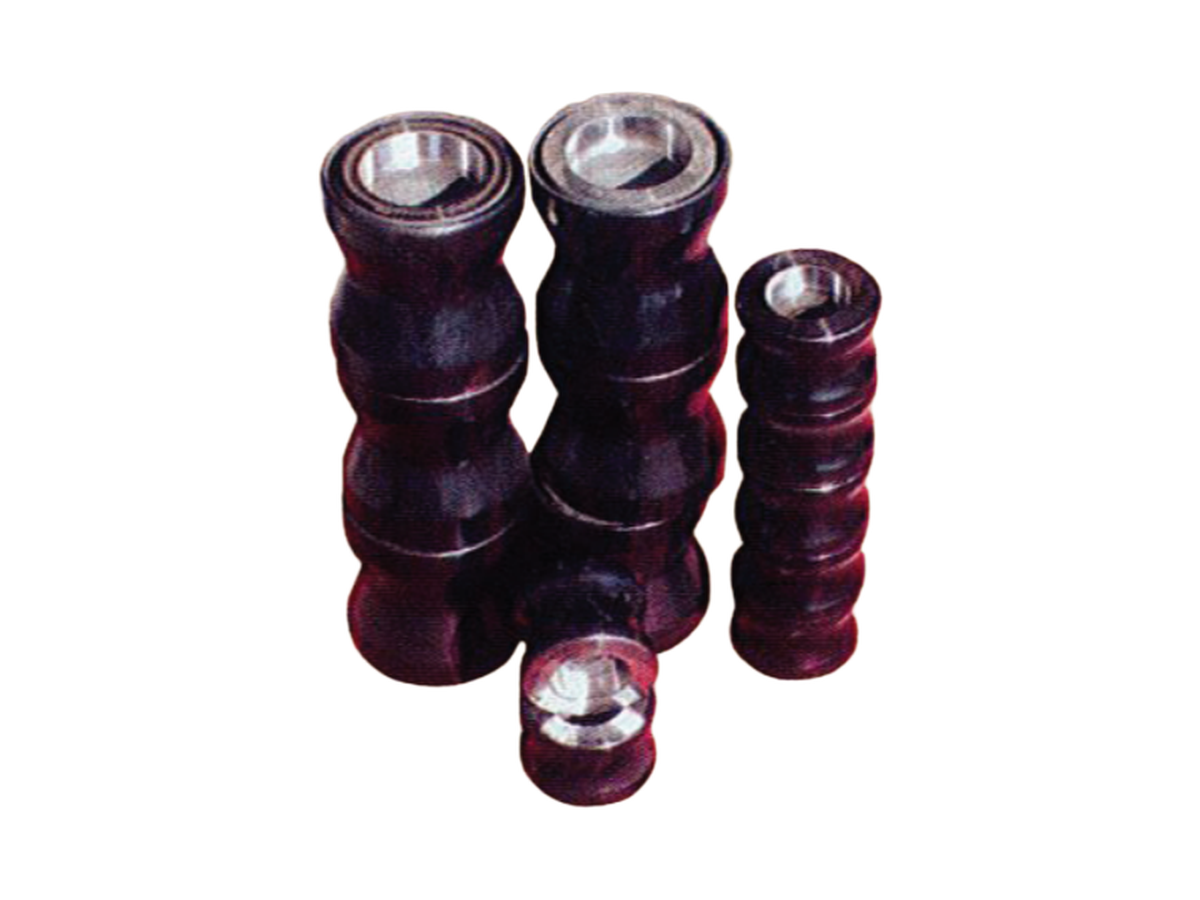
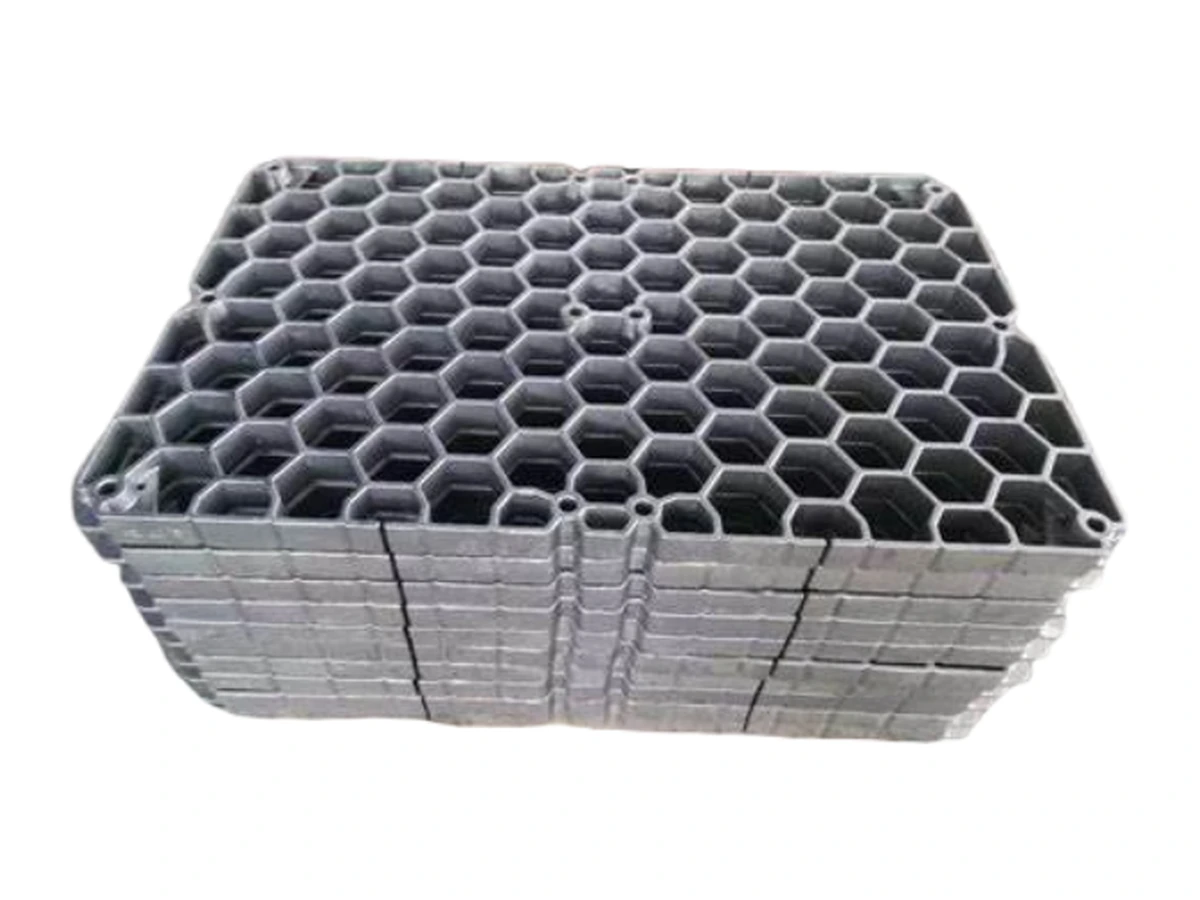
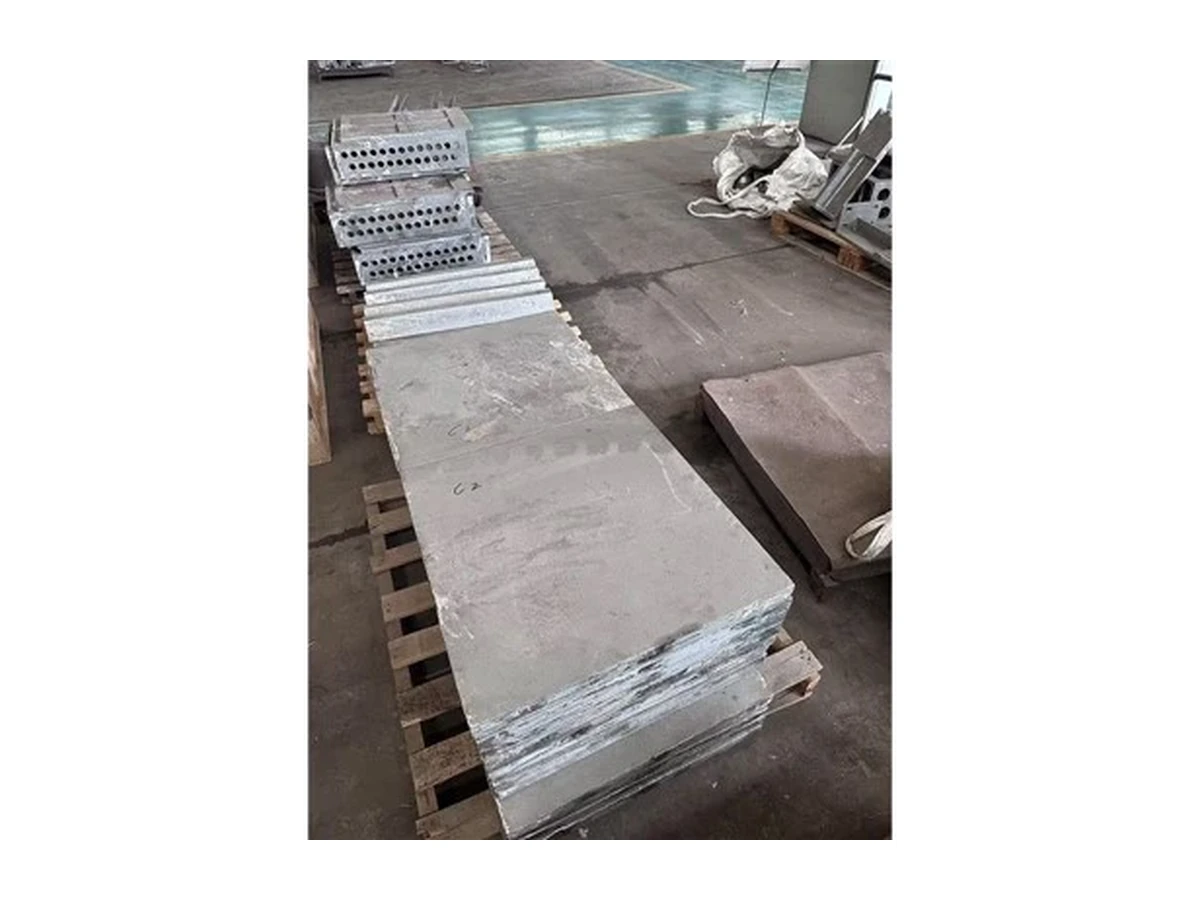
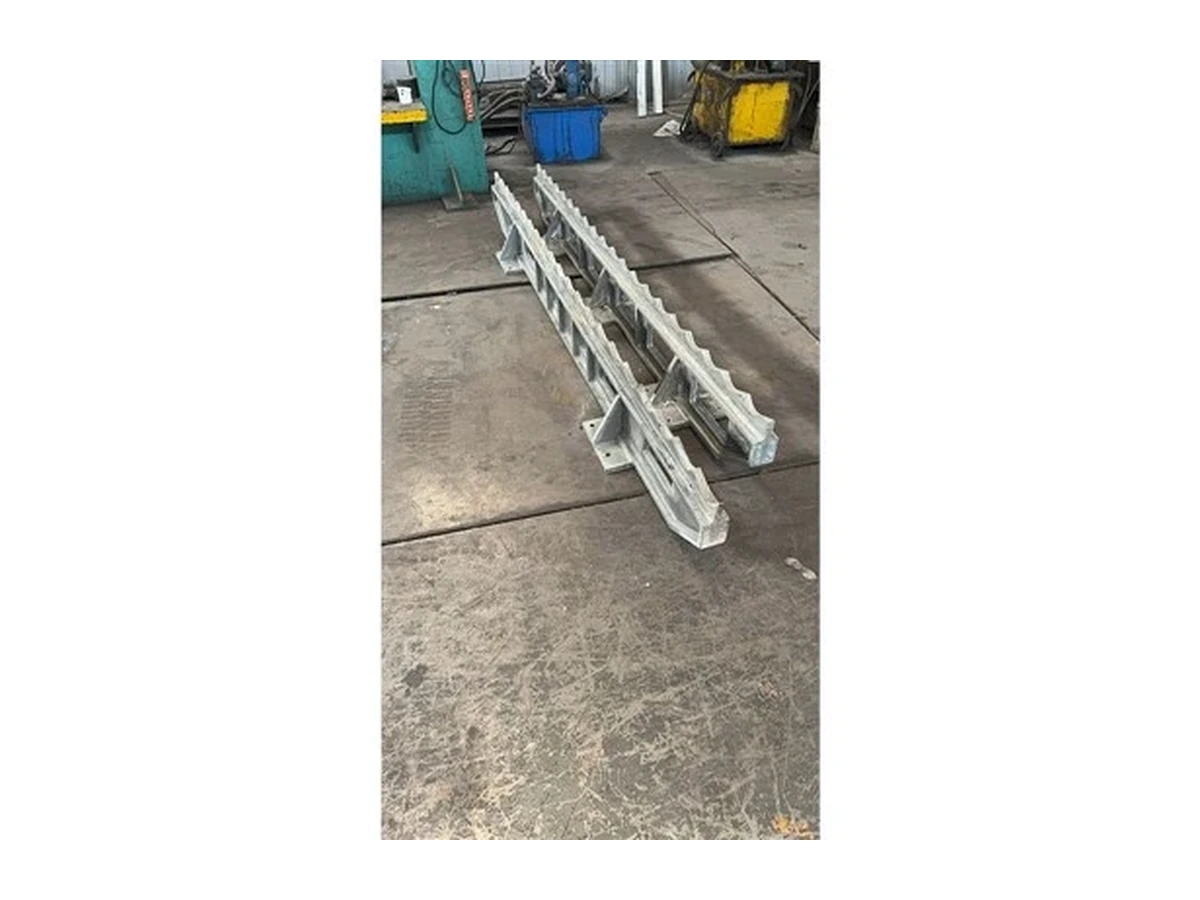
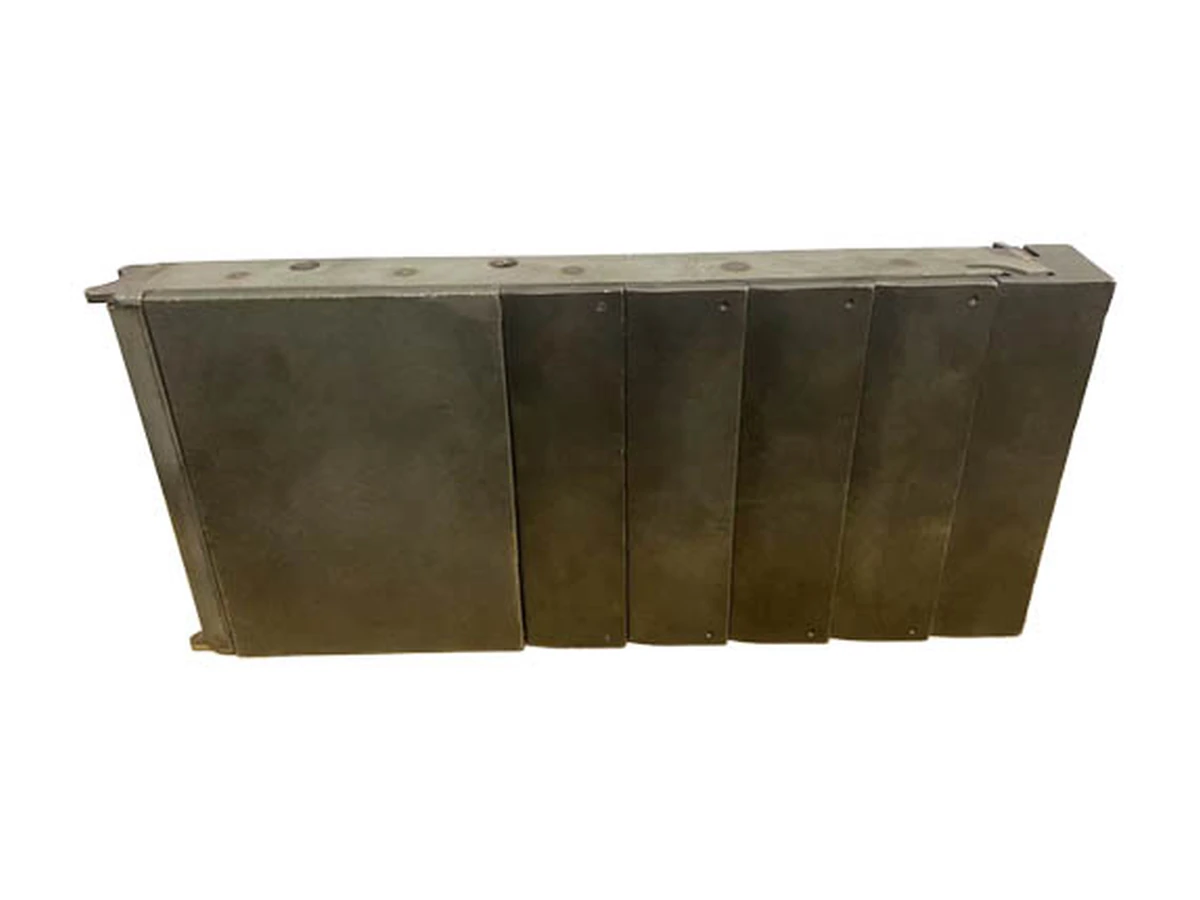
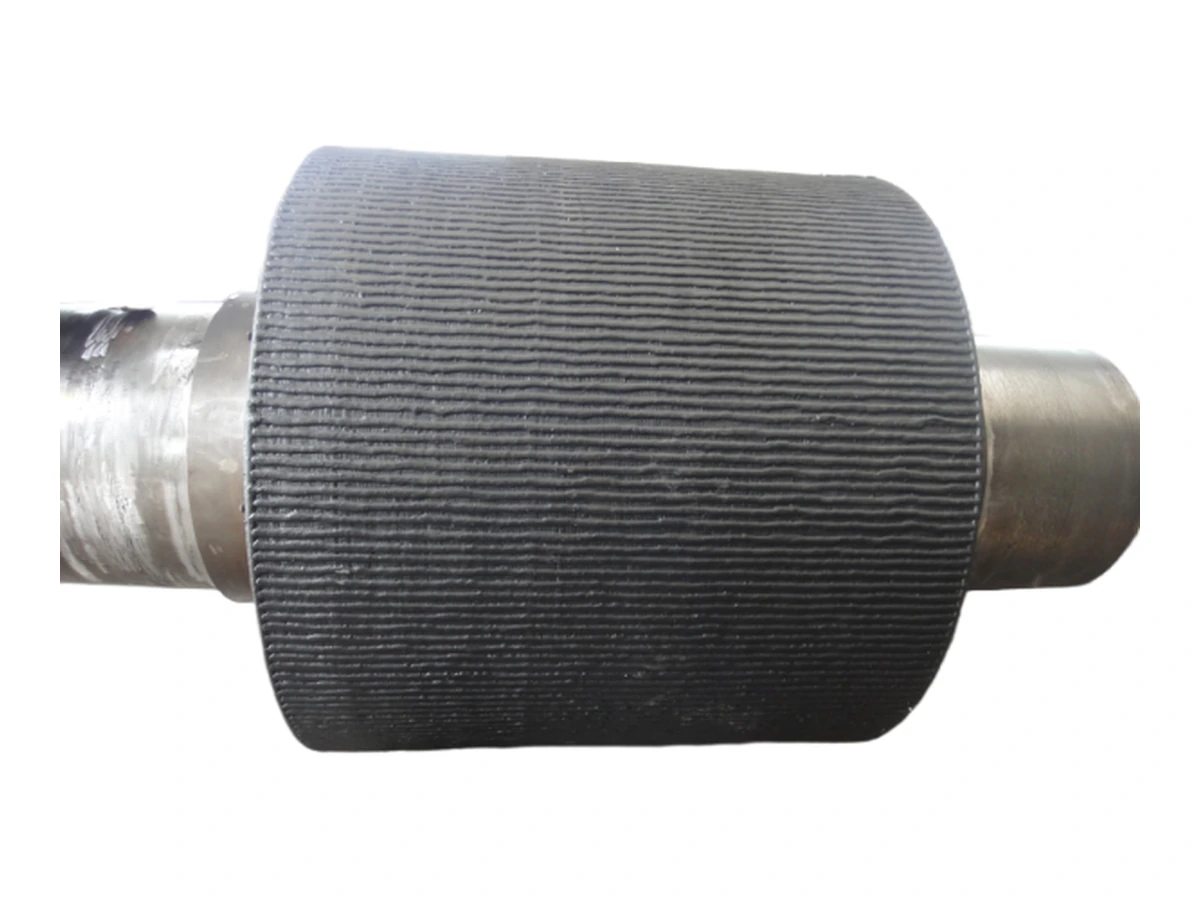
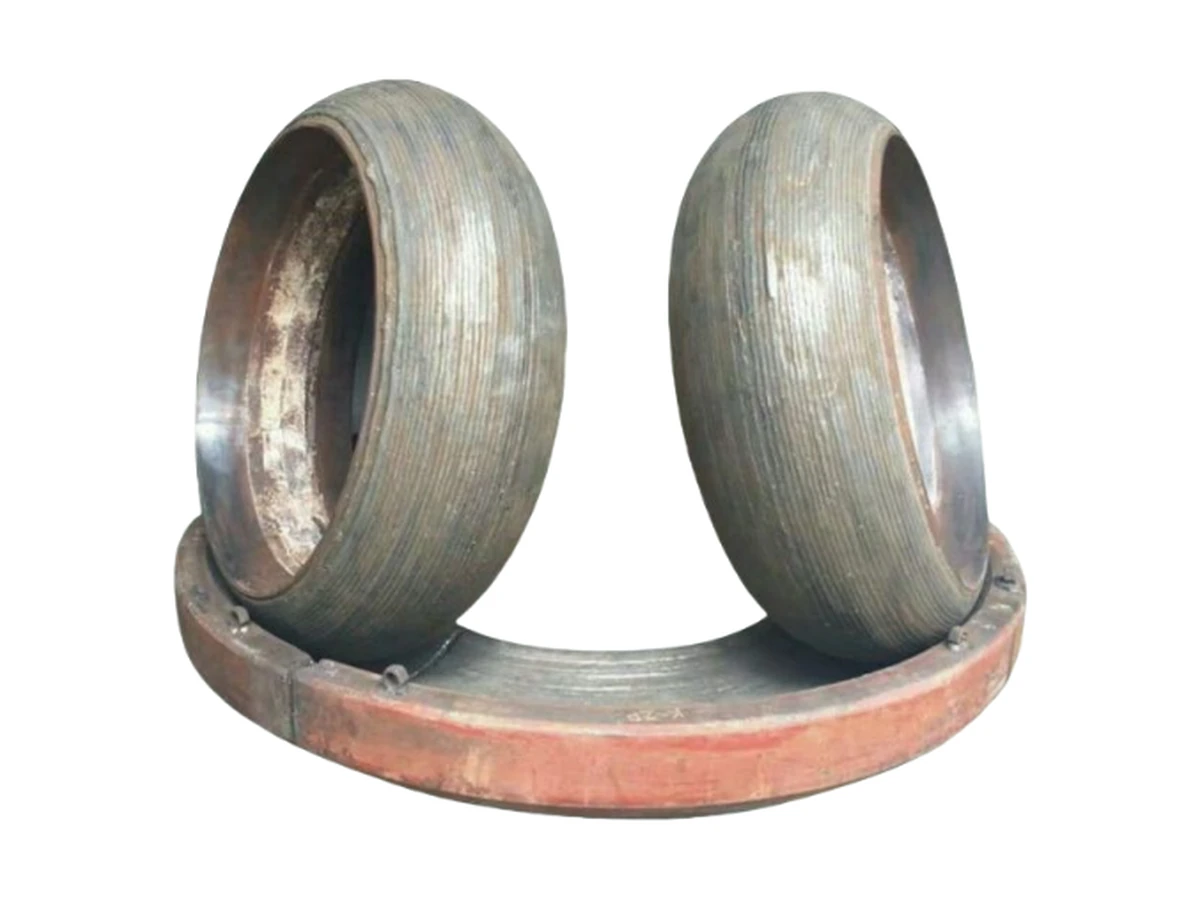
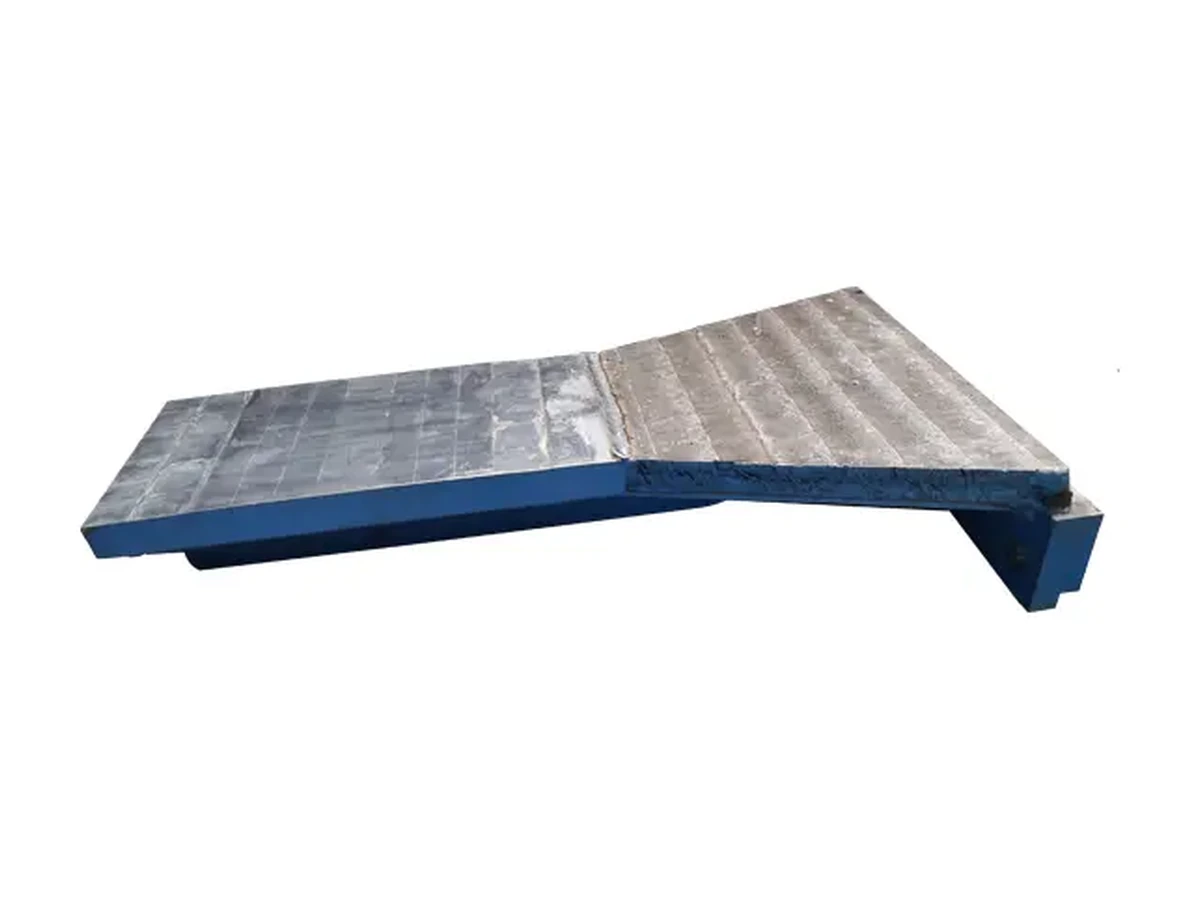
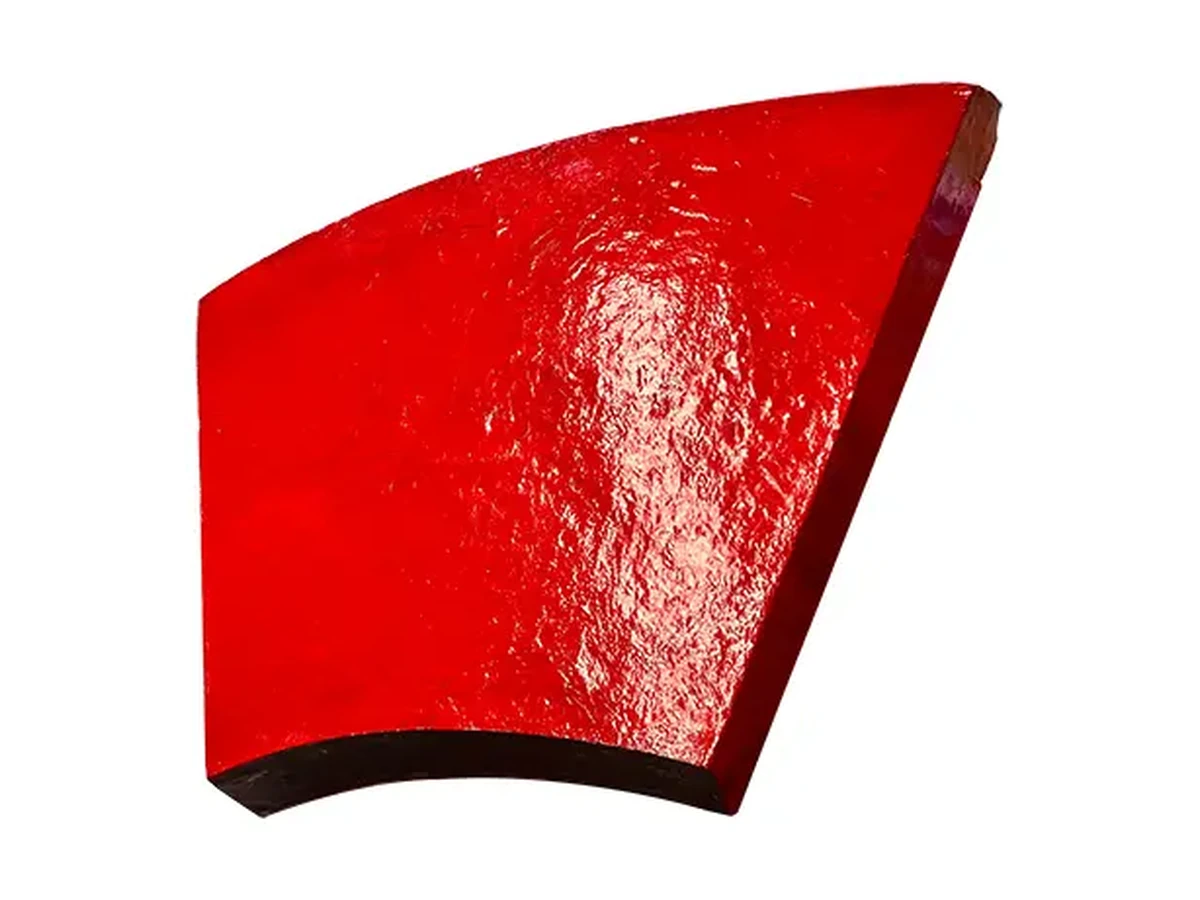
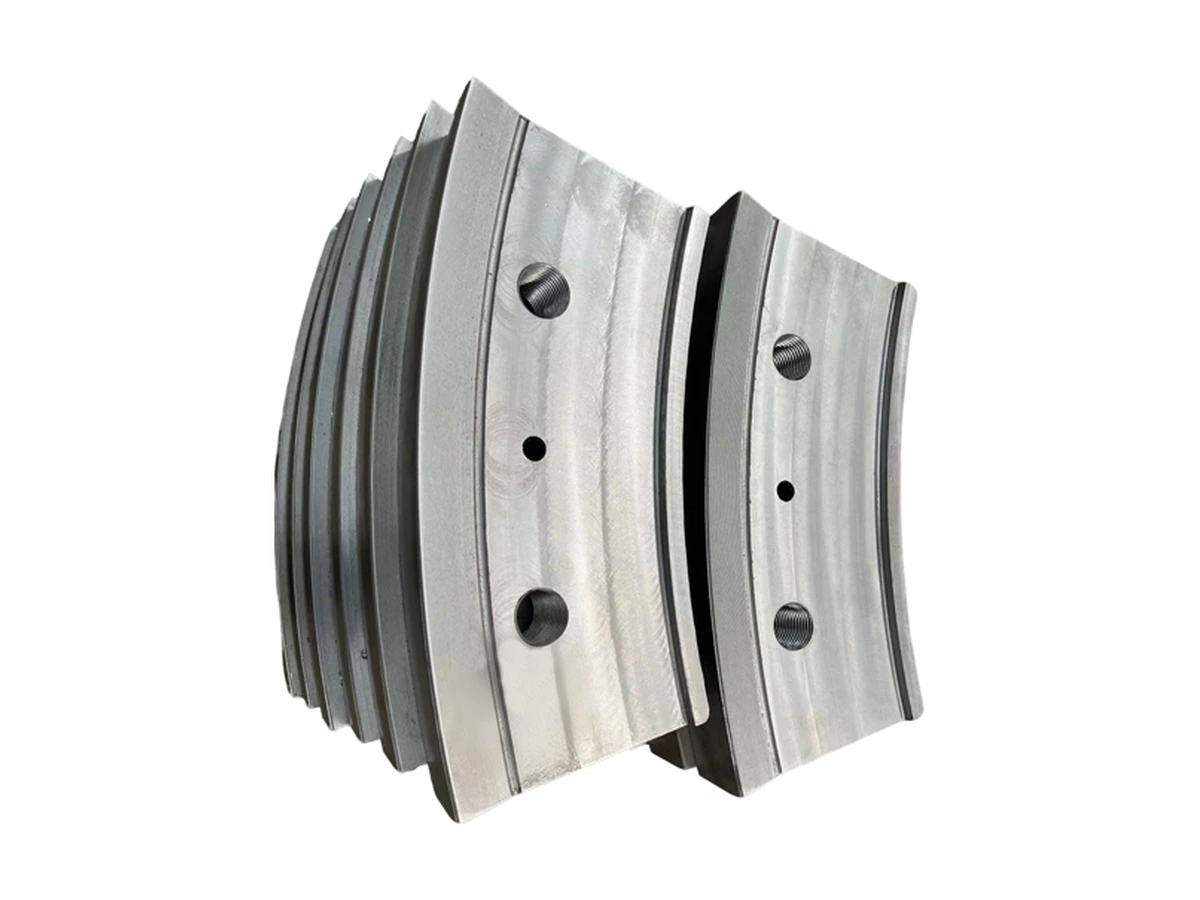
Heat and wear-resistant parts cover different thermal and wear duties. Reference forms include heat-treatment charge trays, furnace plates and guide rails, grate-cooler plates, and roller-press or vertical-mill wear components; other configurations include rolls, guides and hardfaced parts. Identify the actual function before reviewing temperature, atmosphere, abrasive particles, sliding contact and impact. Review the base component, working profile and observed damage together. A heat- or wear-resistant description does not establish service life or make one material or surface treatment suitable for every duty.
Contact parts in these areas face heat and wear. Temperature, abrasion, impact and the current failure mode guide the component review.
Equipment photographs show application context only; the supply scope on this page is the listed tooling or components, not complete machines.
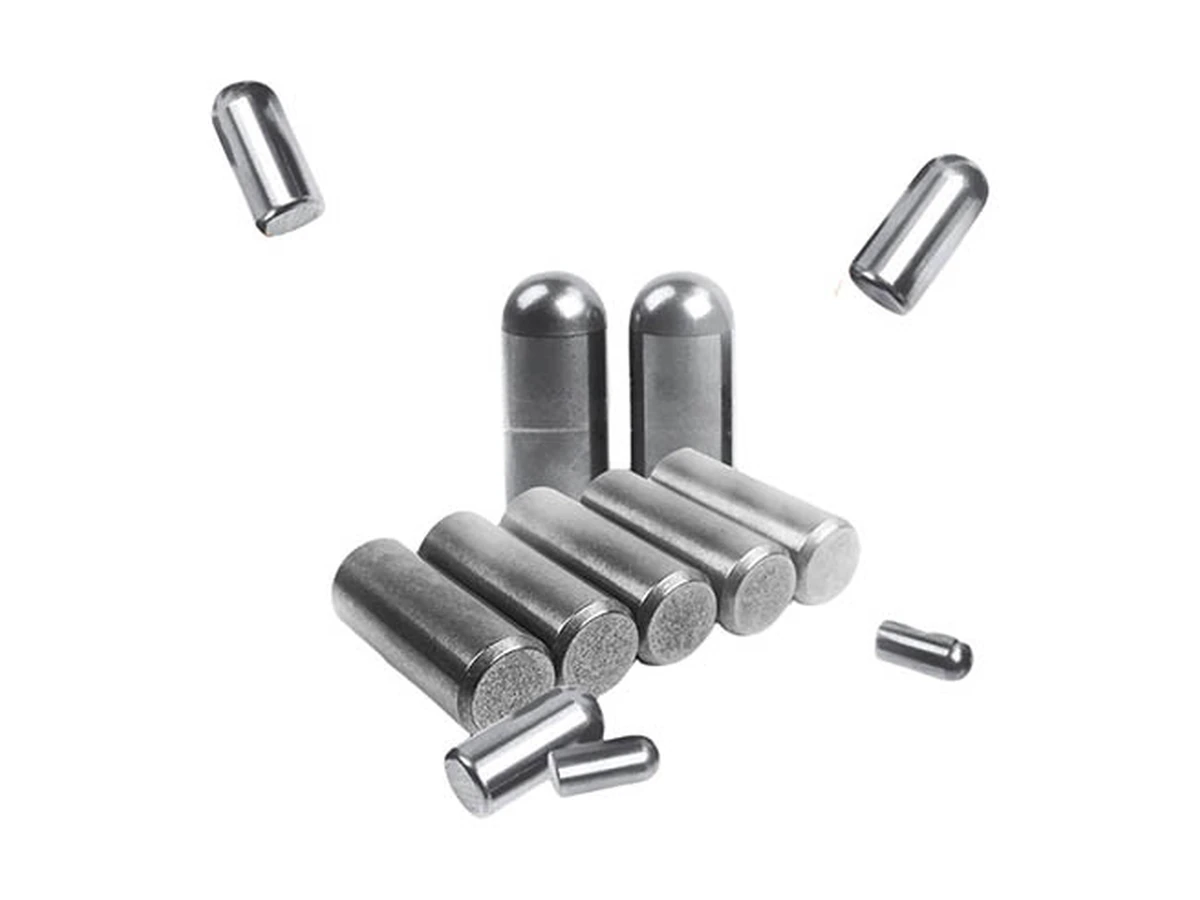
Heat-treatment and furnace components require review of temperature, atmosphere, support and thermal cycling. Roller-press, vertical-mill, guide and roll components require review of their actual wear and loading conditions. Tungsten-carbide particle hardfacing is an option for selected wear duties only, subject to separate review of the base component and operating conditions.
The suitability of the base material, hardfacing and finished geometry depends on operating temperature, contact conditions and the failure mode of the existing part. Include wear photographs and the current replacement interval so the operating conditions can be reviewed before a material or surface-treatment recommendation is made.
Describe contacting material, position and sliding direction, with uneven-wear distribution. Review geometry with actual operating clearance rather than selecting a replacement approach solely from the worn surface.
Provide material temperature, dwell time, loading and startup/shutdown conditions. Thermal and wear conditions may vary together; distinguish normal operation from contact during unusual material stoppages.
Tungsten-carbide particle hardfacing is a direction requiring application review. Include base-material information, working profile and contact duty to assess layer construction and finished dimensions rather than adopting one standard thickness.
Product images are for reference. Final dimensions, materials and acceptance criteria are subject to the confirmed drawing and quotation.
Click an image to view product details.
Share the information available using the checklist below to help us review the product against your application. If a complete drawing is not available, start with clear photographs and known dimensions.
The button below opens an email with a product-specific checklist. Fill in the details you know and attach drawings or photographs in your email client.
Email a technical enquiryInformation is for initial review, not a commitment on compatibility, supply or performance. Final materials, geometry, configuration, lead time and acceptance requirements are subject to the confirmed drawing and quotation.
Clarify the operating conditions and interfaces before deciding on materials, geometry or configuration.
No universal conclusion is appropriate. Review the base, structure, temperature and impact contact. Provide drawings and service history so surface construction and dimensional requirements can be assessed for the particular part.
Images provide damage-pattern information but not a complete explanation. Base material, surface construction, temperature and contact records are also needed. Retain the part and review the operating evidence because several factors may be involved.
Provide the current interval, processed materials, hours or throughput, plus new/used dimensions and damage images. Compare similar operating conditions; one service result does not establish the expected life of a different arrangement.
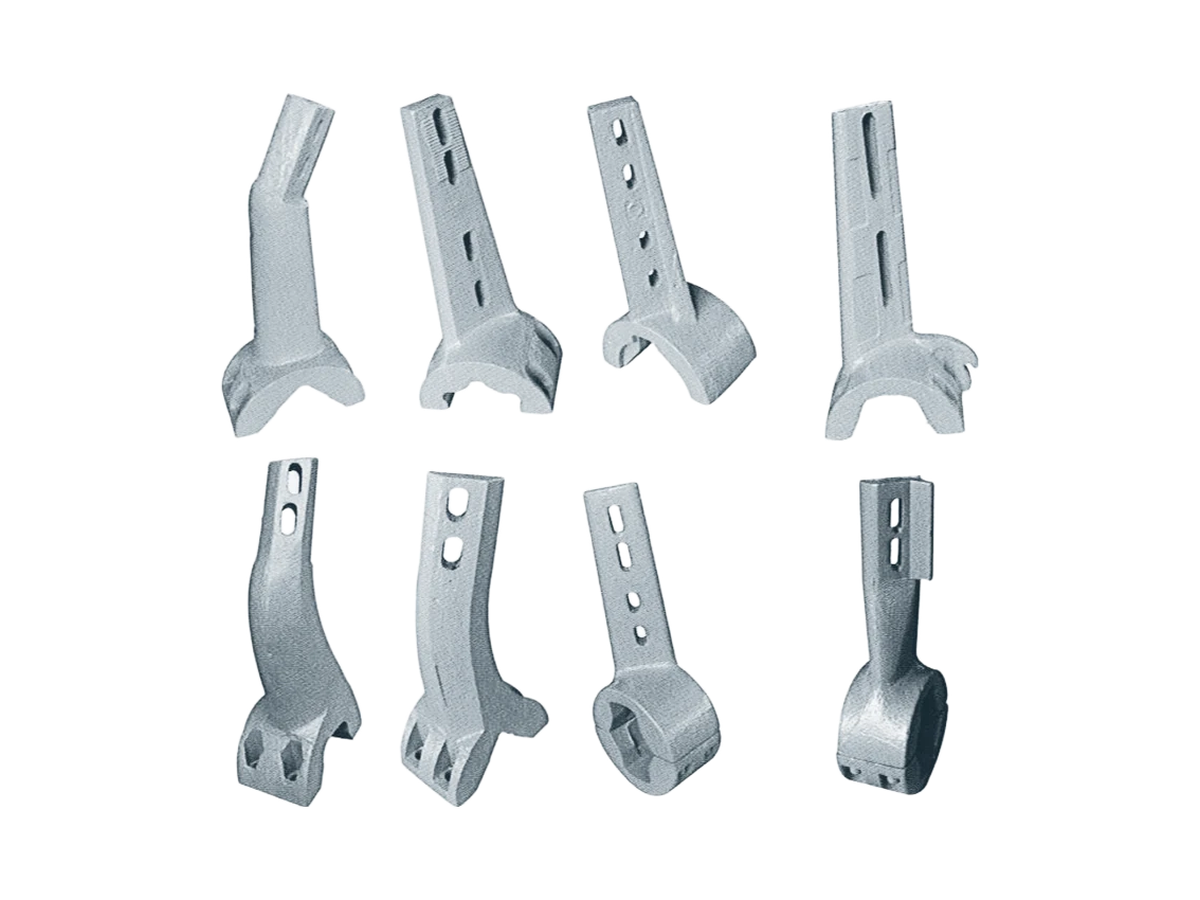
Mixing arms, wear plates and shaped replacement parts for plant machinery.
View product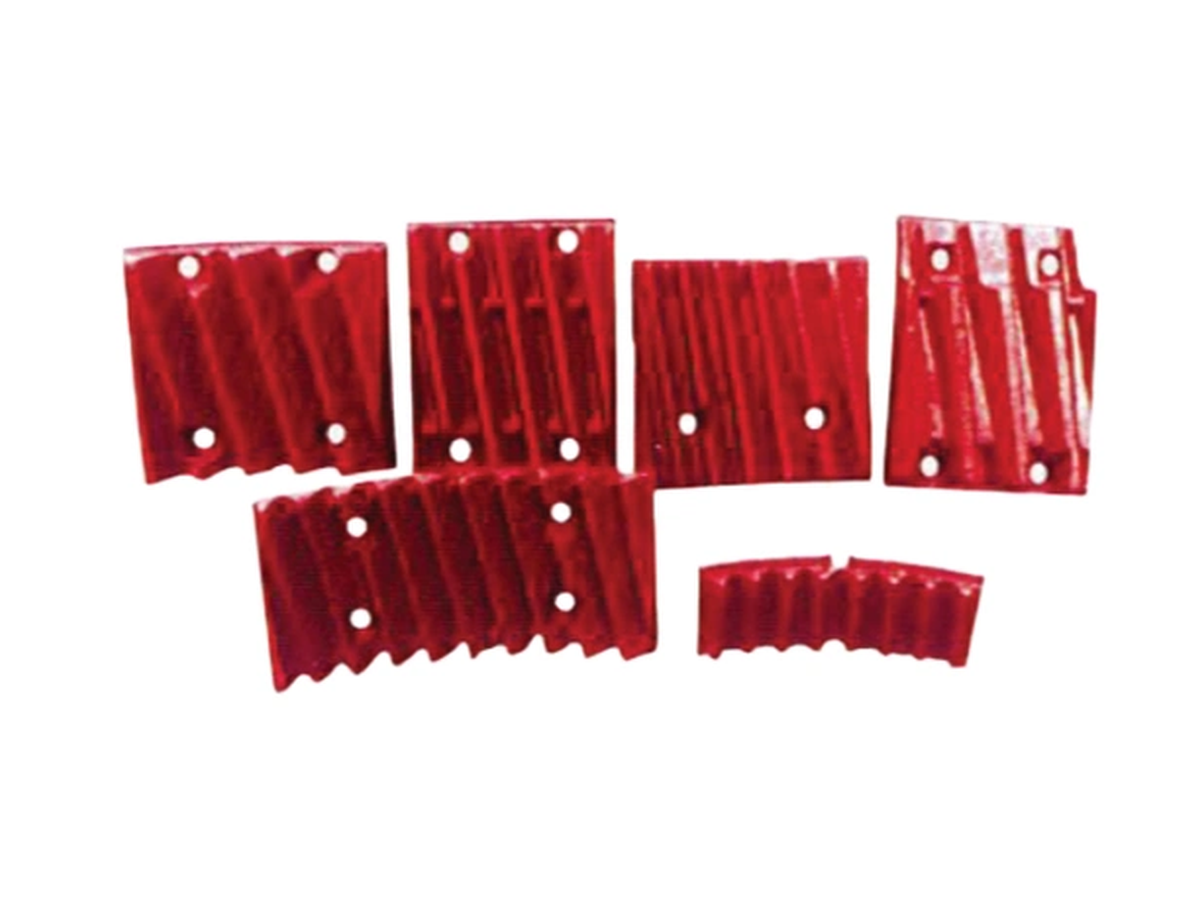
Wear plates, liners and shaped parts for mining and metallurgical machinery.
View product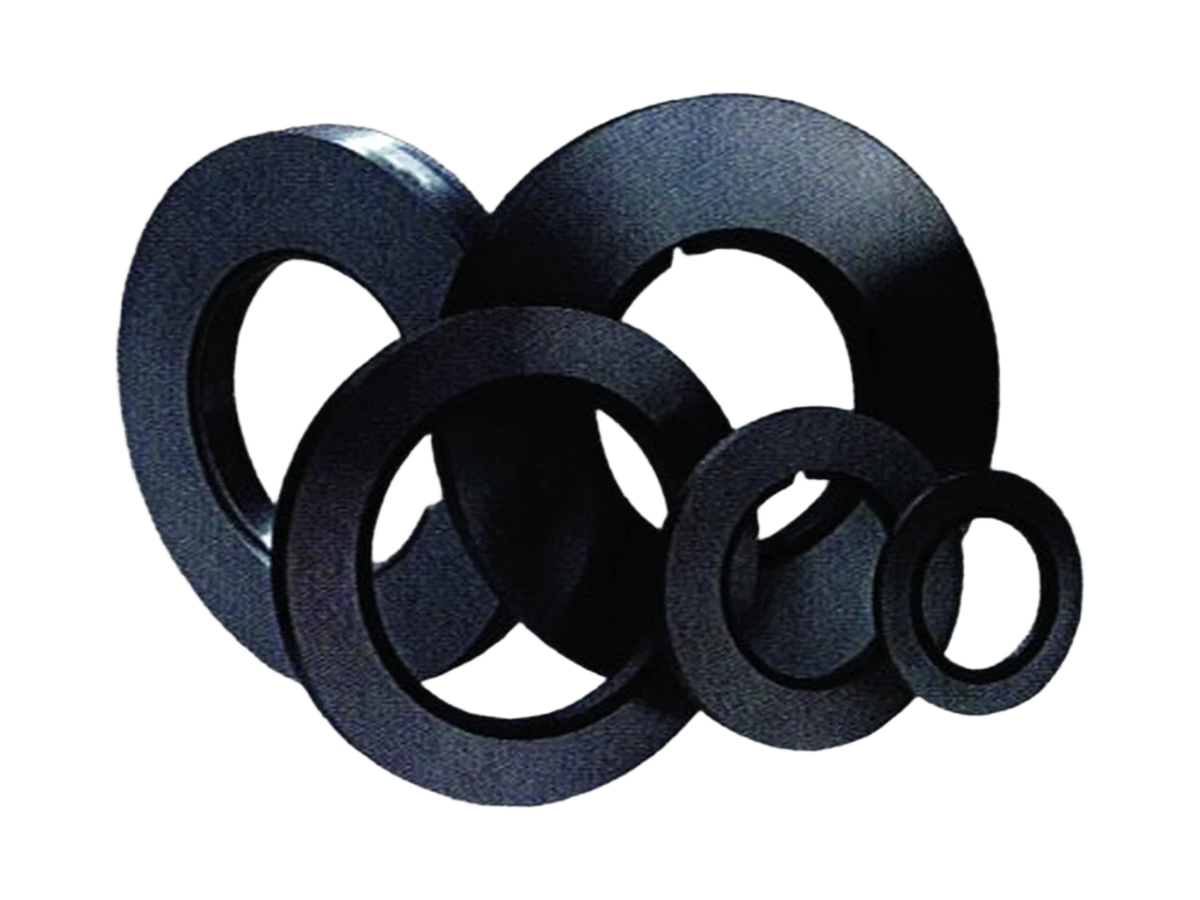
Precision circular knives for coil slitting and edge trimming.
View productShare the operating conditions and quantity so we can define the next step.