Concrete-plant maintenance
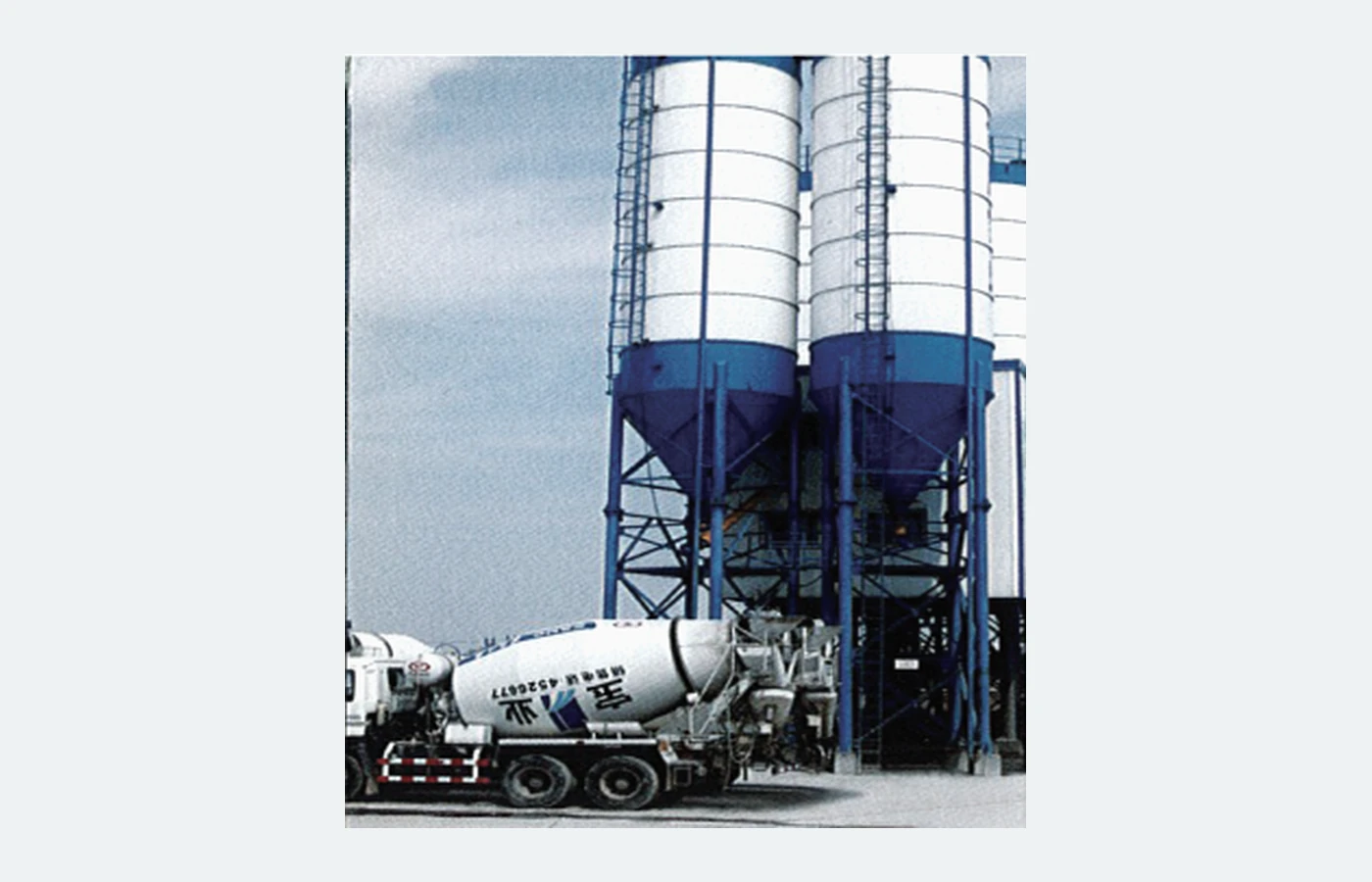
The batching-plant scene shows an application sector for replacement components. Confirm the mixer, mounting pattern and wear position for each part.
Concrete and asphalt machinery parts support material movement, mixing and contact-surface maintenance in mixing equipment, including arms, shaped components and wear plates. Selection should identify the mixer, installation position and left/right orientation, then review aggregate size, wear distribution, working clearance and temperature. These details define the component arrangement more clearly than industry equipment photographs, which do not establish either part compatibility or the scope of a complete replacement set for a particular installation.
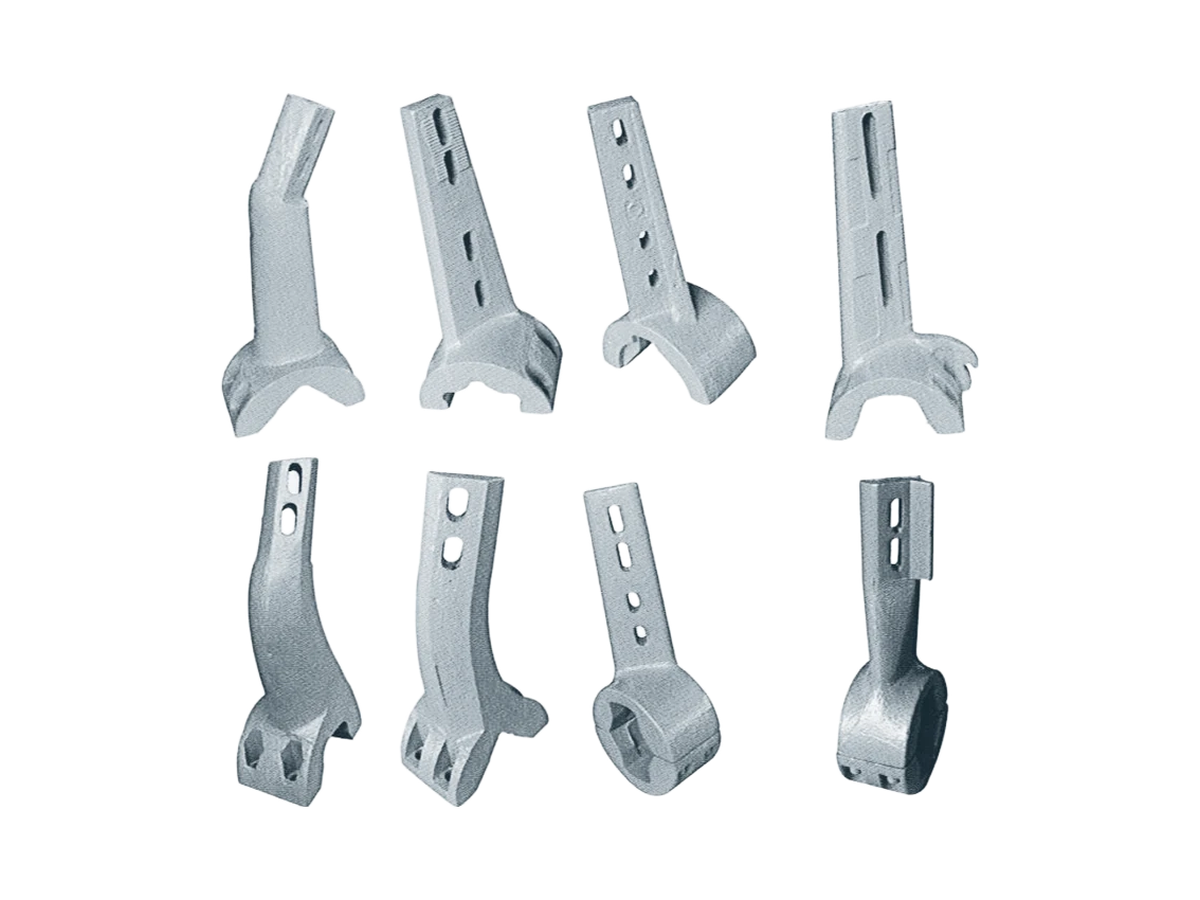
The batching-plant scene shows an application sector for replacement components. Confirm the mixer, mounting pattern and wear position for each part.
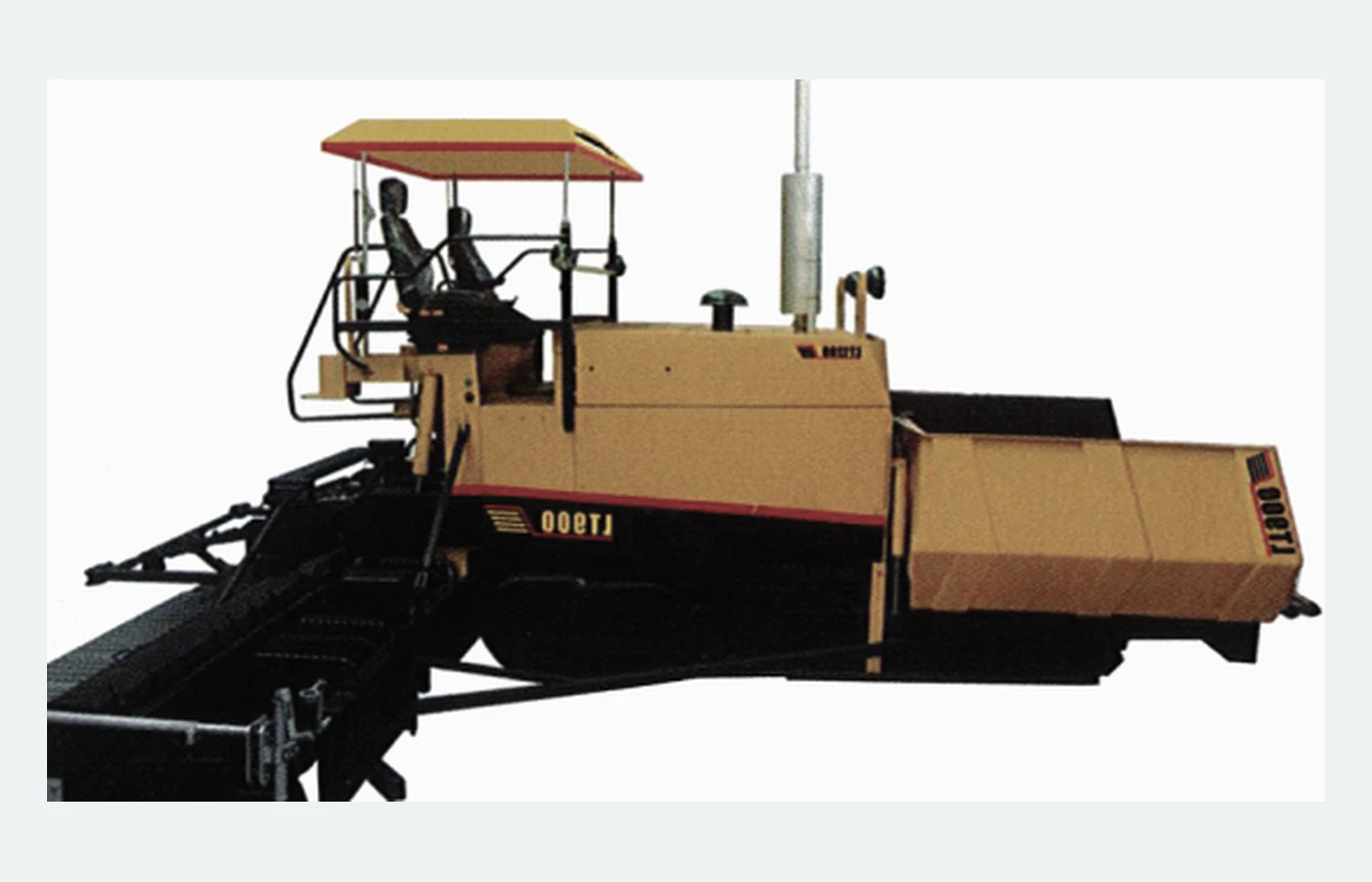
The paving equipment image illustrates the application environment; it does not imply that all mixing parts fit the pictured paver.
Equipment photographs show application context only; the supply scope on this page is the listed tooling or components, not complete machines.
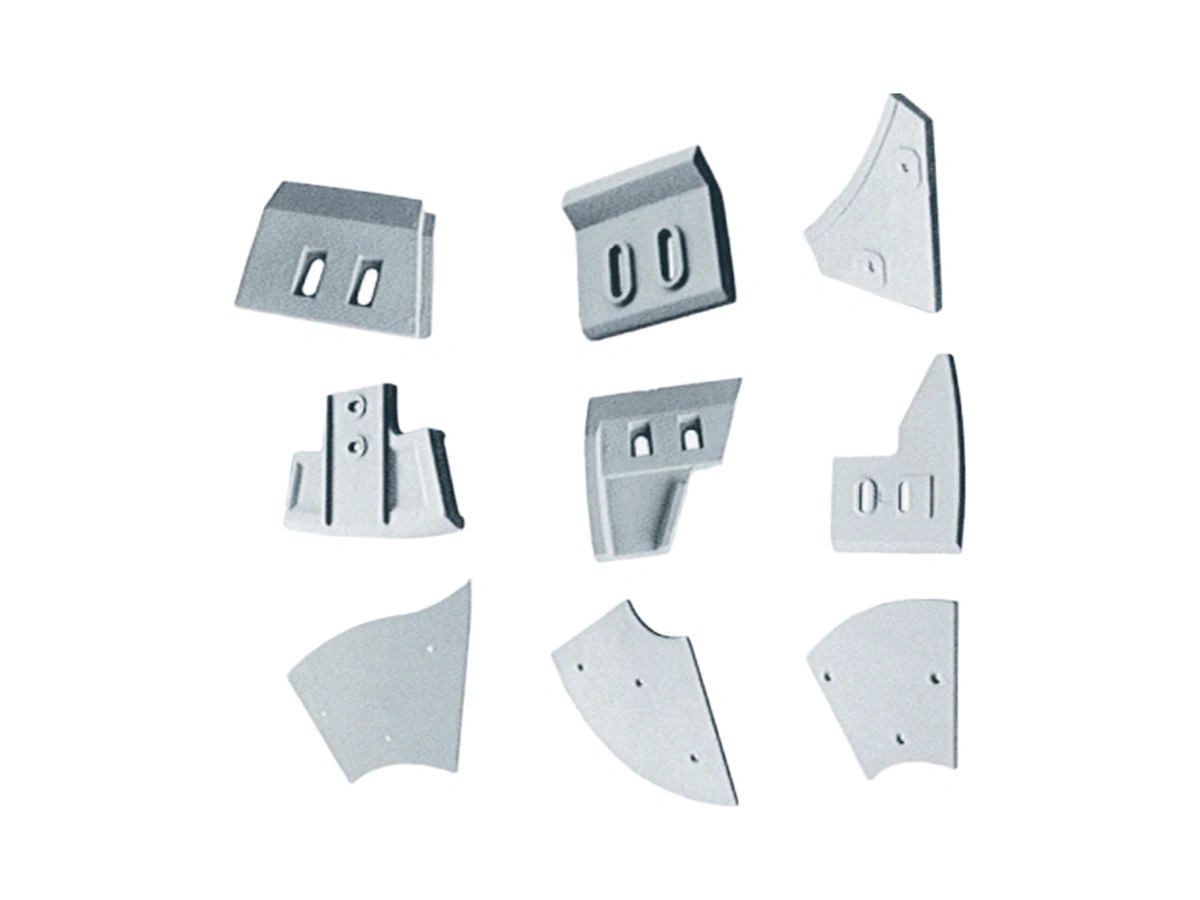
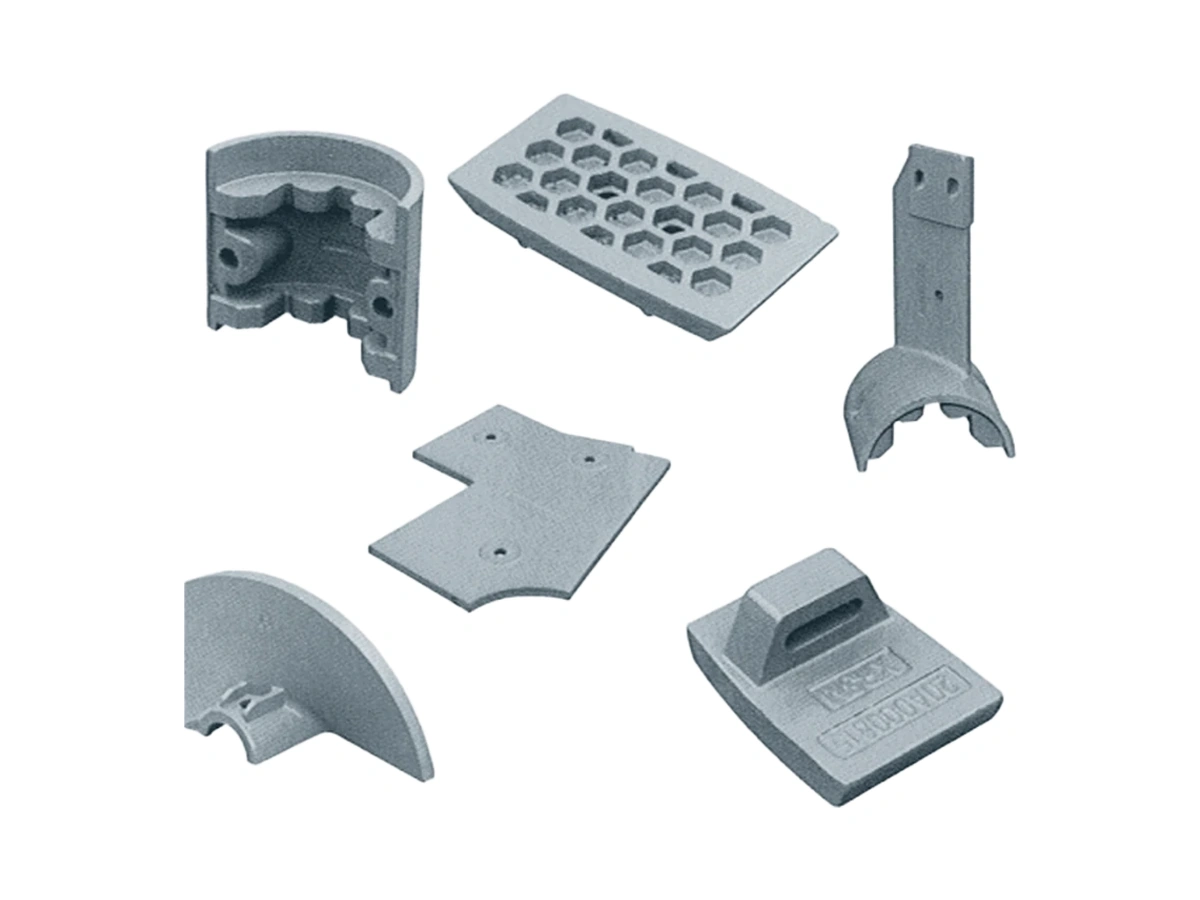
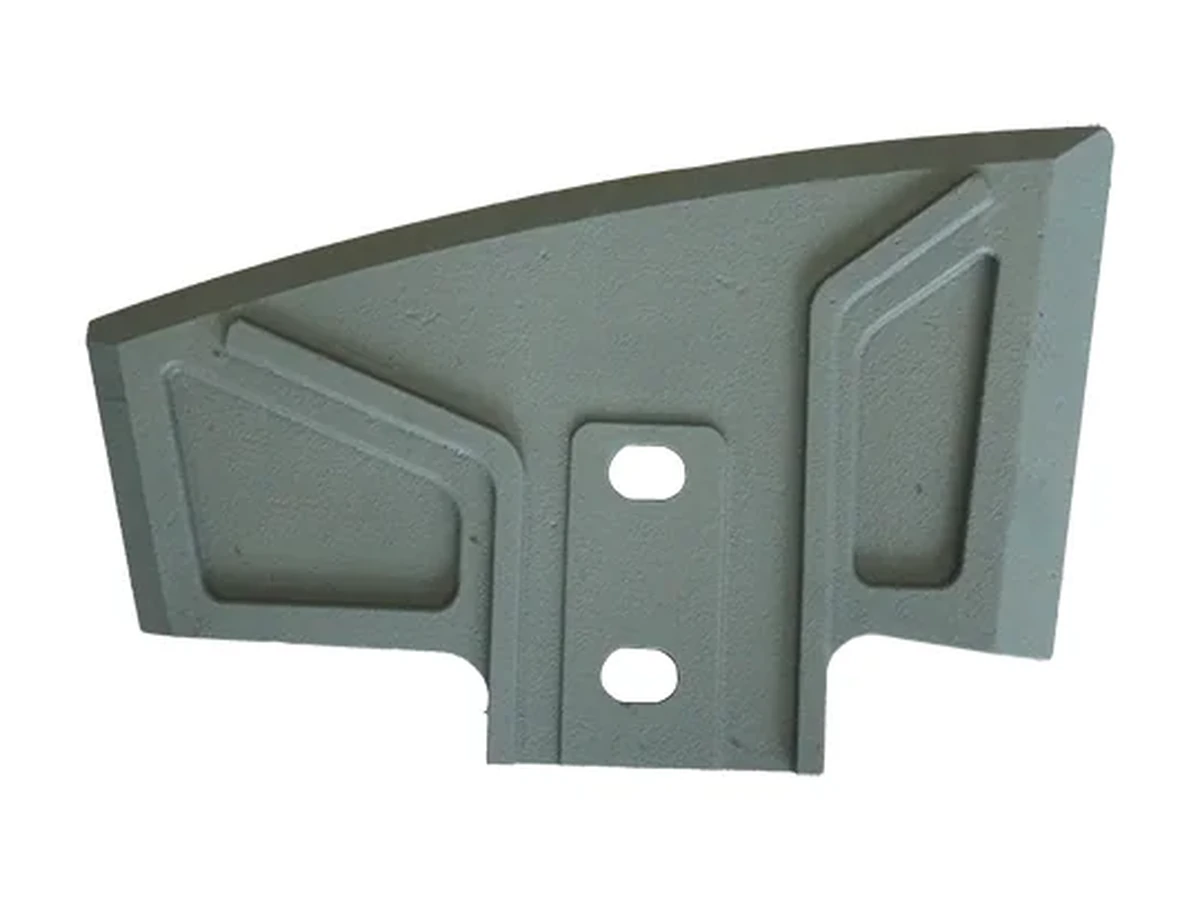
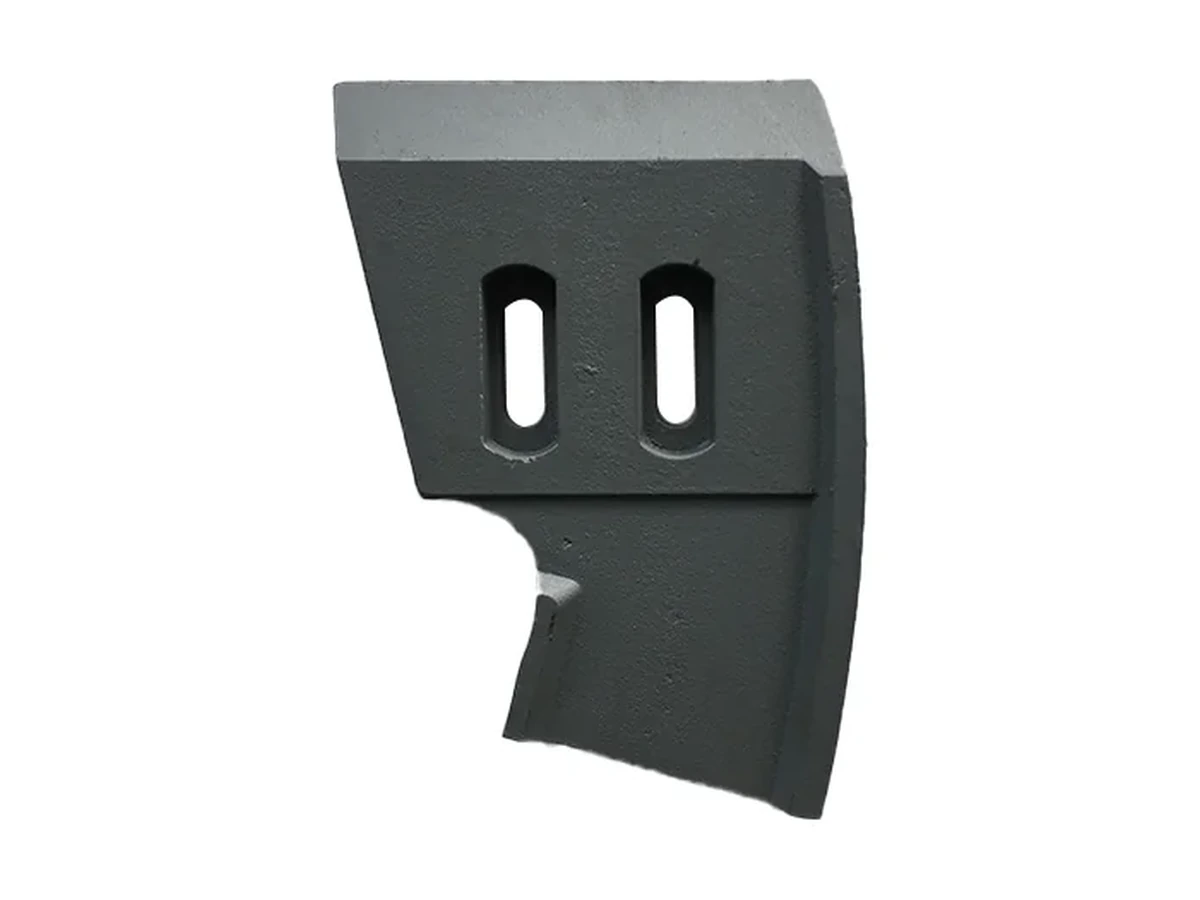
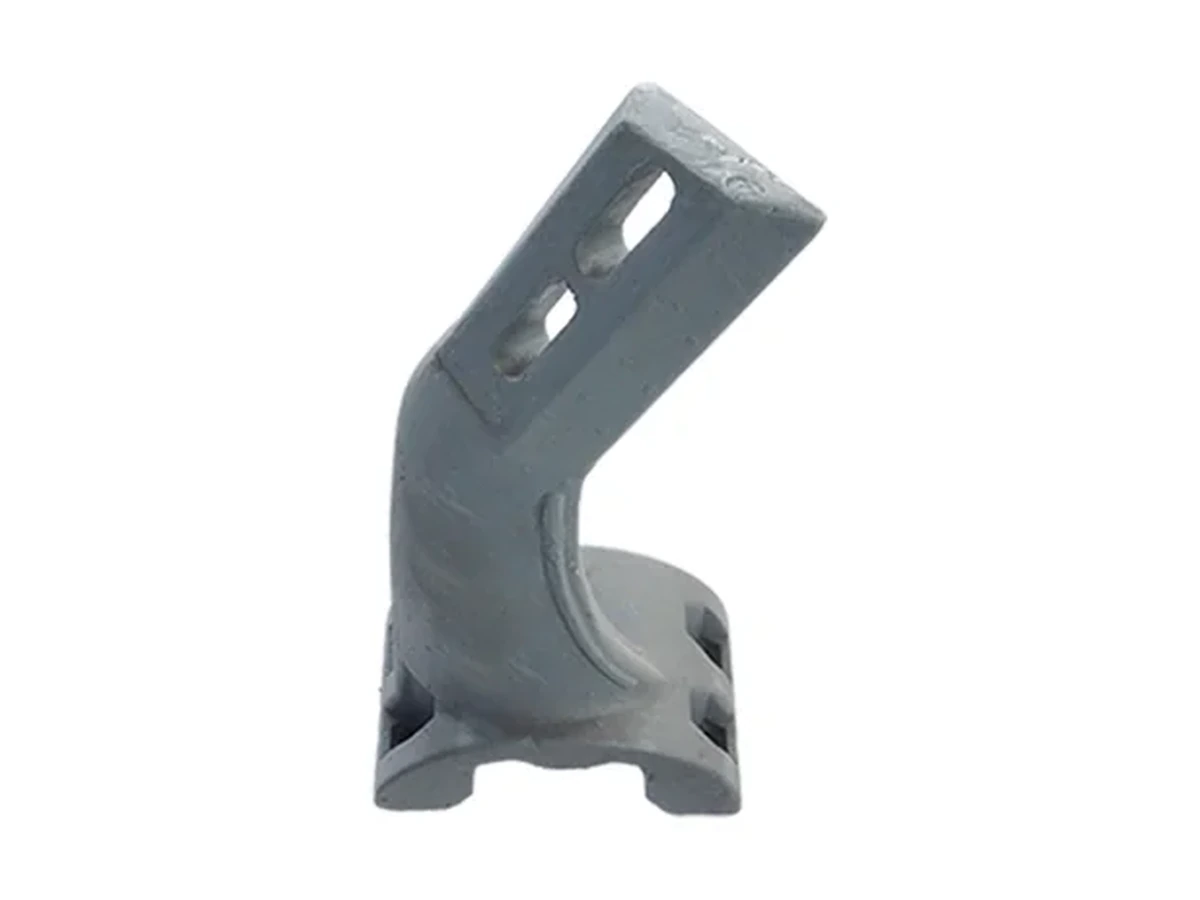
Concrete-machinery and asphalt-mixing components include shaped mixing parts, arms and wear plates. The installation position and wear pattern are important when identifying a replacement.
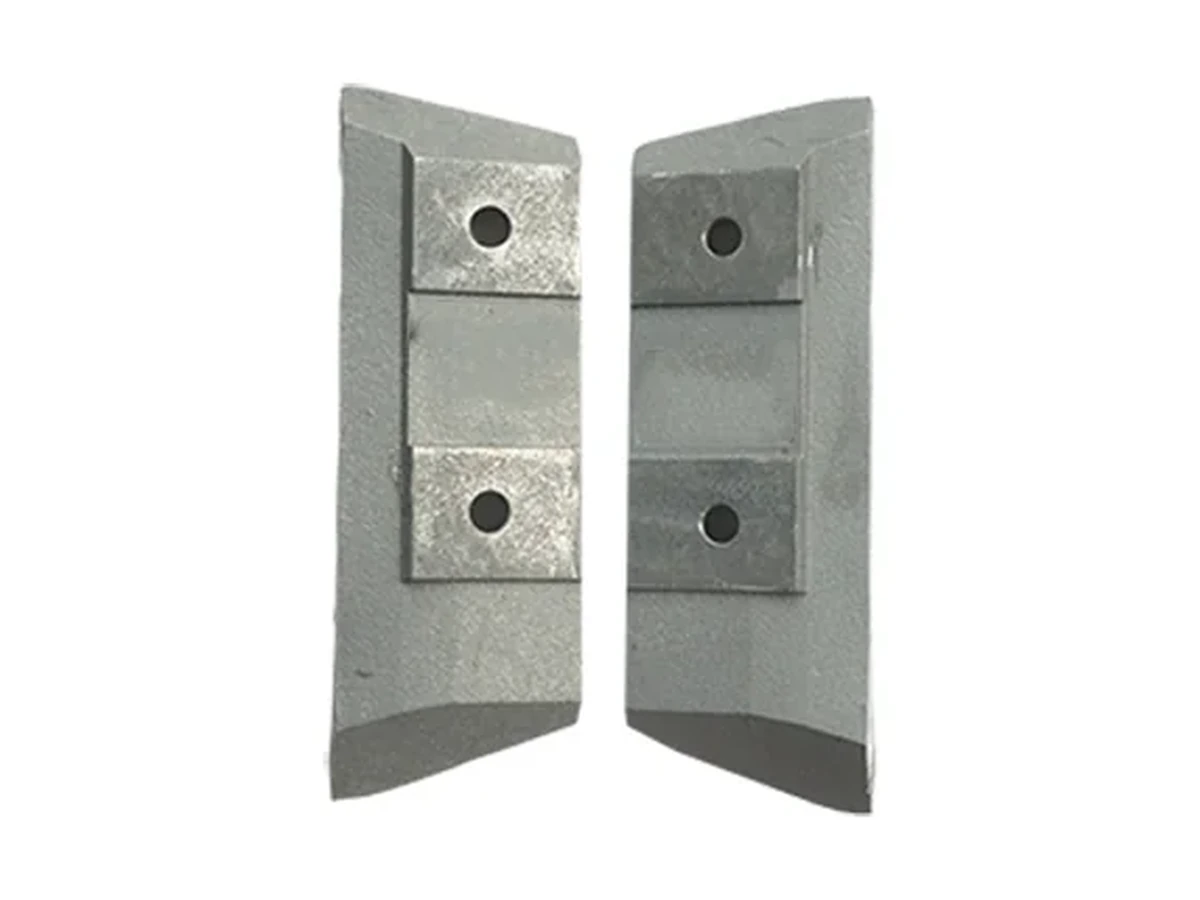
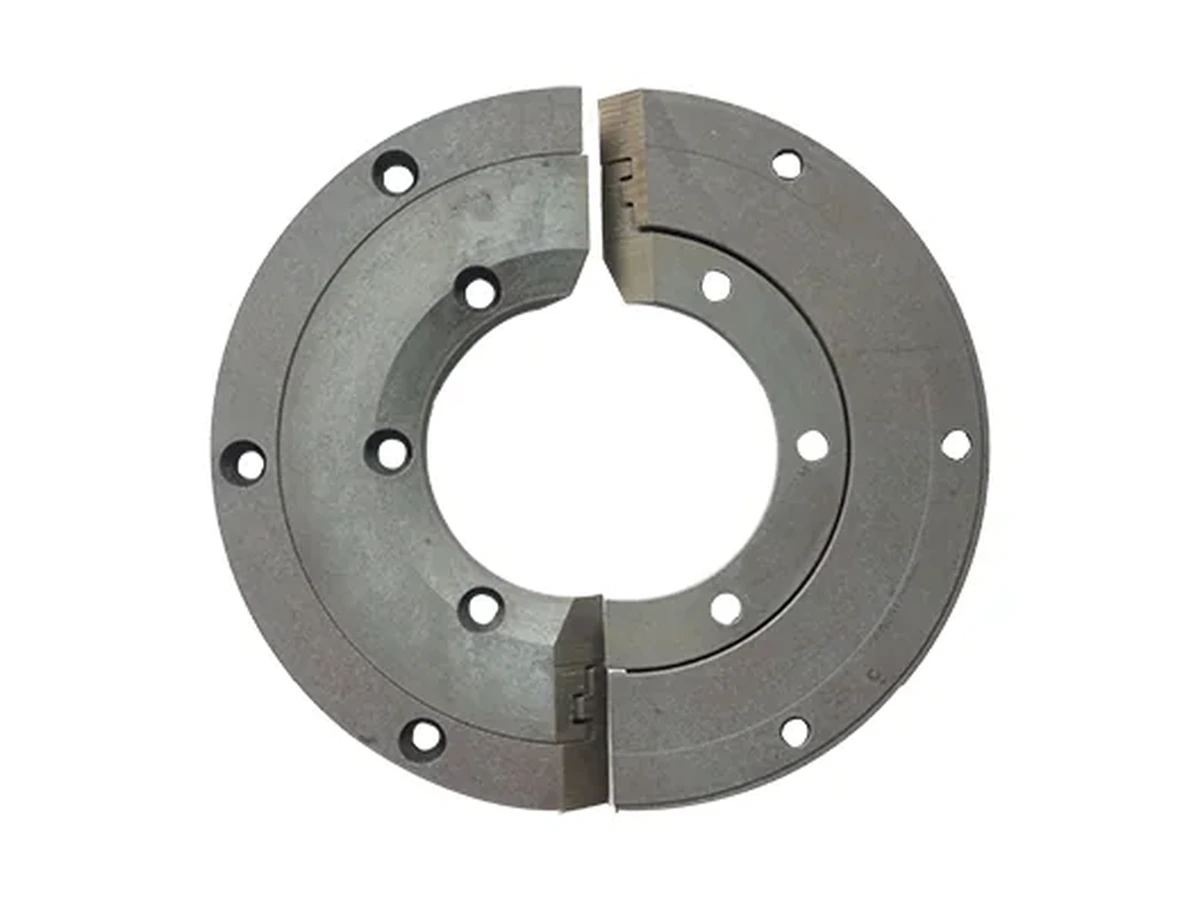
Dimensions, left/right orientation, bolt holes and operating conditions are checked before a quotation is confirmed. Supply scope is replacement components rather than complete mixing plants.
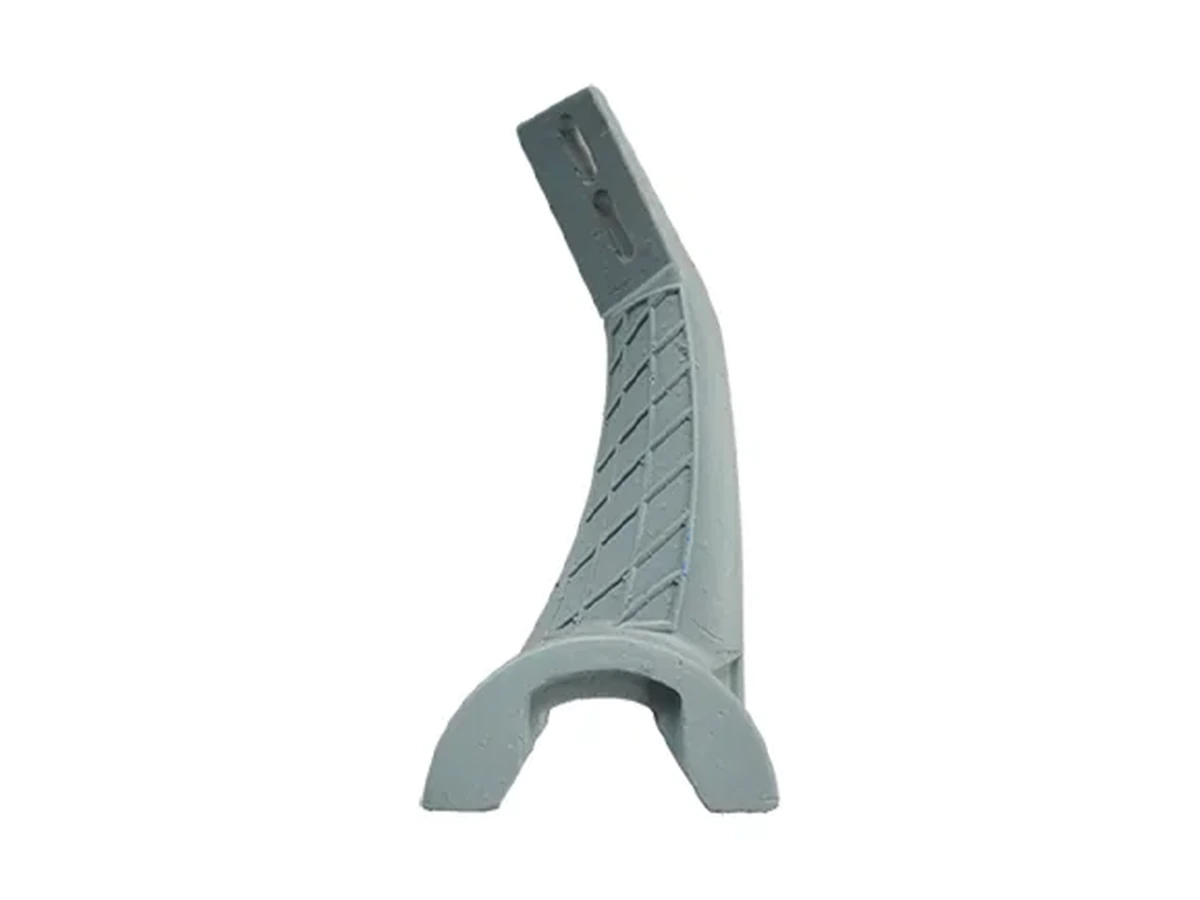
Check fixing to the shaft or connection seat, orientation and working-end position. Include adjacent blades or plate layouts to describe how the individual replacement relates to the complete mixing mechanism.
Provide installation zone, curved or flat profile, bolt holes and thickness, recording concentrated wear. Identify plates by position instead of combining different zones into a single purchase quantity.
Include temperature, aggregate, buildup and cleaning method, and identify the part's position in the mixer. Mixing-plant components should not be identified from the external appearance of paving equipment.
Product images are for reference. Final dimensions, materials and acceptance criteria are subject to the confirmed drawing and quotation.
Click an image to view product details.
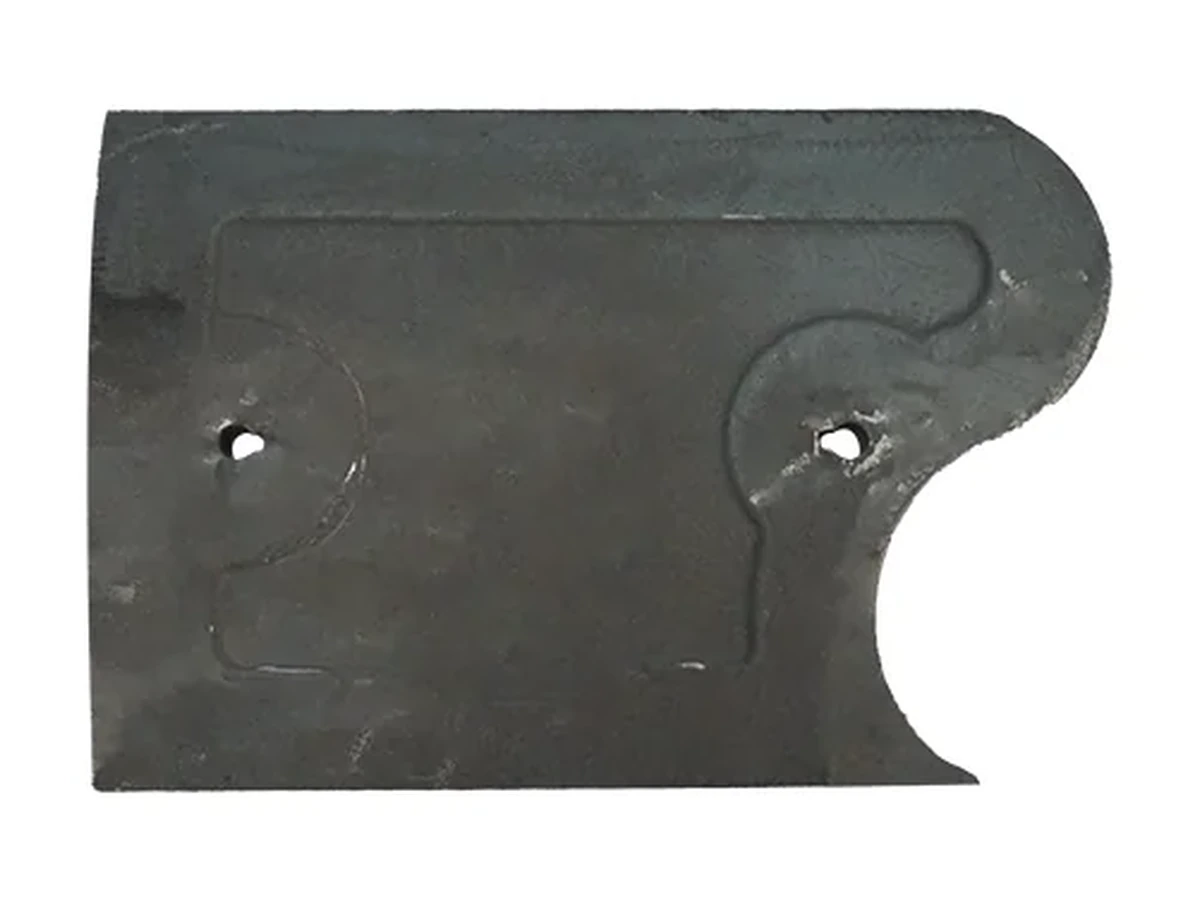
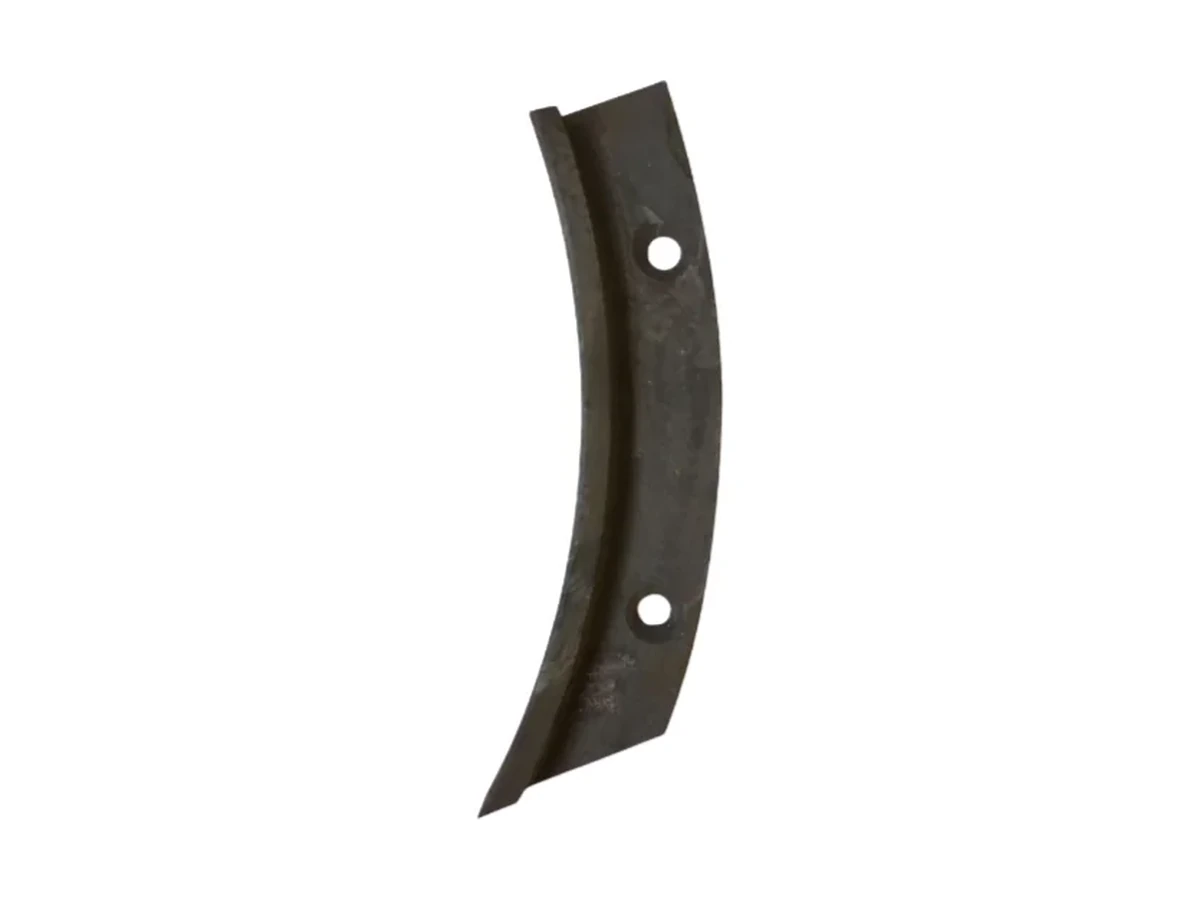
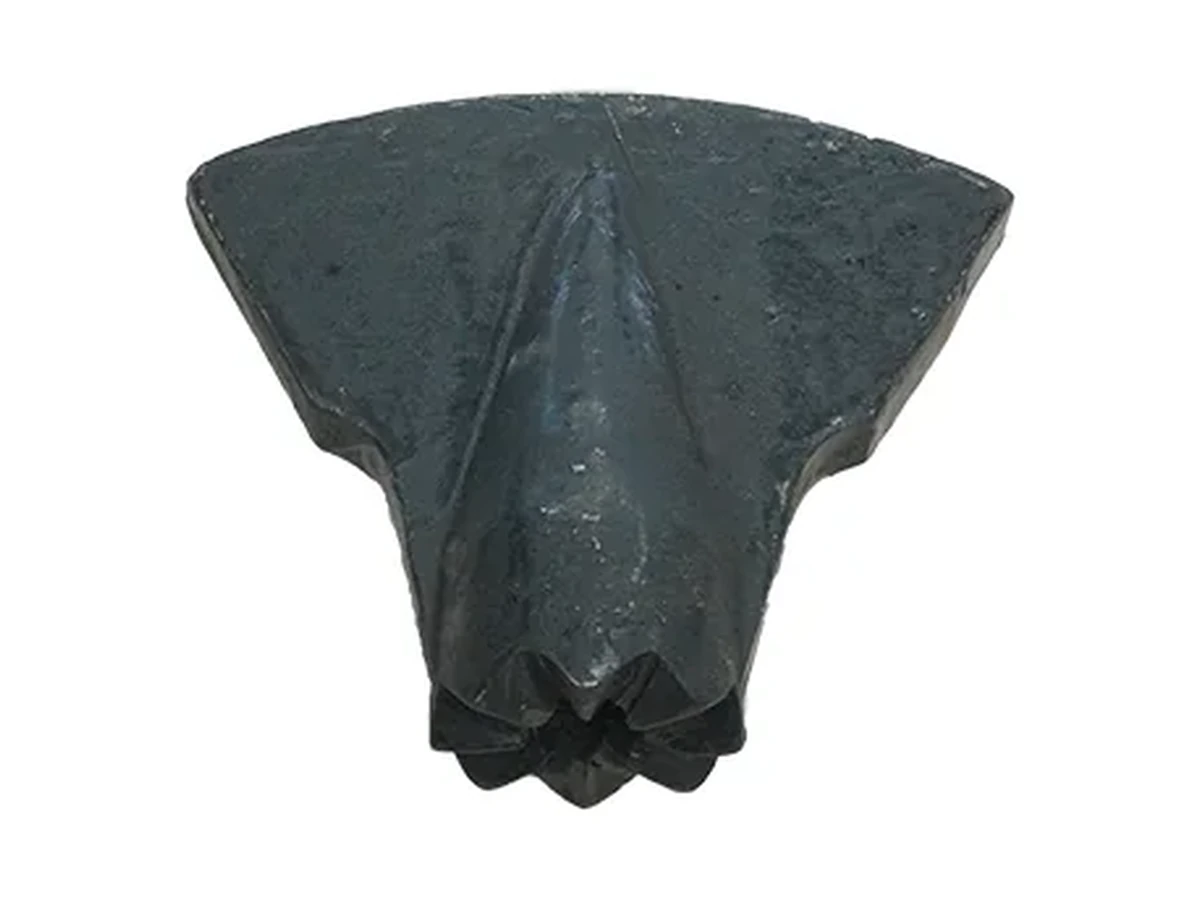
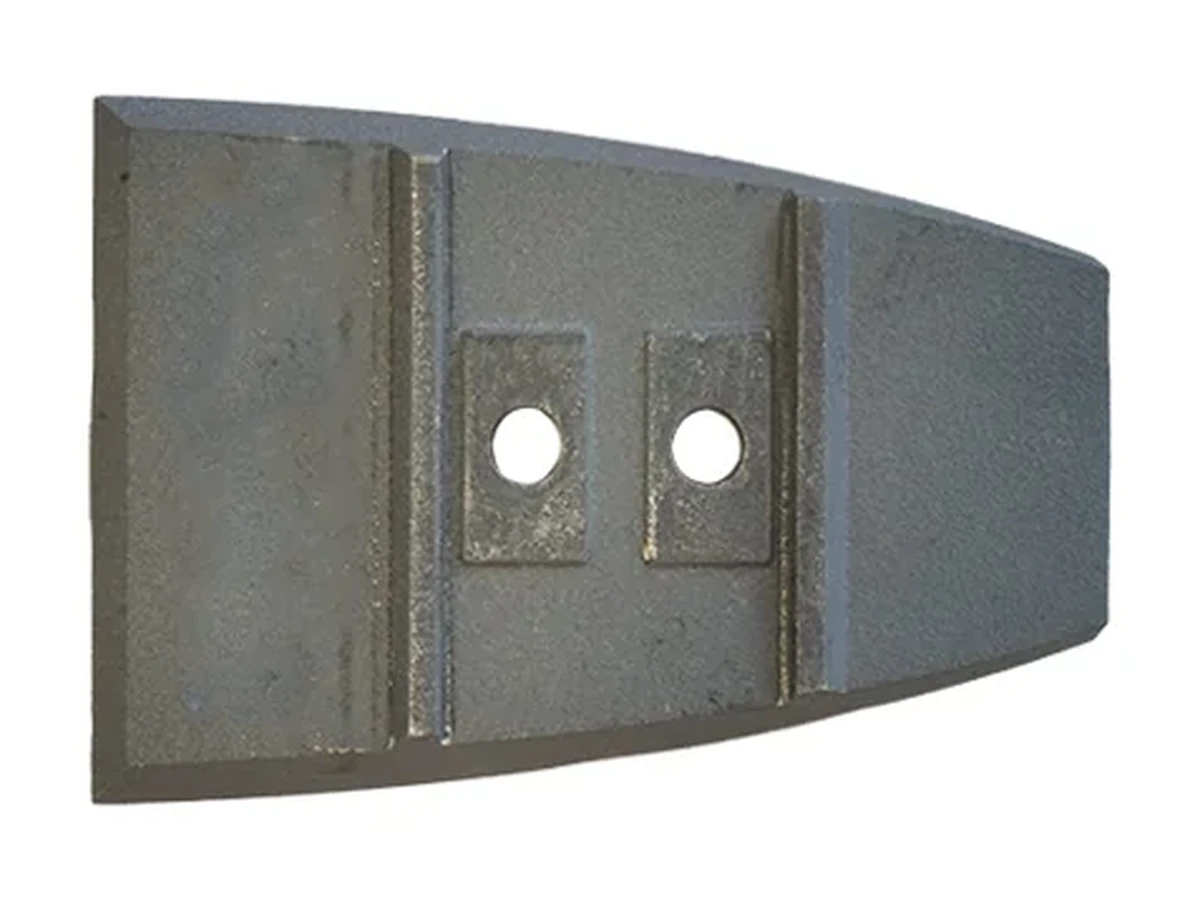
Share the information available using the checklist below to help us review the product against your application. If a complete drawing is not available, start with clear photographs and known dimensions.
The button below opens an email with a product-specific checklist. Fill in the details you know and attach drawings or photographs in your email client.
Email a technical enquiryInformation is for initial review, not a commitment on compatibility, supply or performance. Final materials, geometry, configuration, lead time and acceptance requirements are subject to the confirmed drawing and quotation.
Clarify the operating conditions and interfaces before deciding on materials, geometry or configuration.
Check configuration version, mounting holes, connection faces and modifications. Provide part identifiers and measured dimensions, including orientation; the equipment name alone does not define every installed component.
Measure retained mounting faces, holes and boundaries, and photograph the installation zone and adjacent plates. Original thickness in worn areas needs a drawing or unworn reference rather than an estimate.
Uneven wear may involve clearance, material flow or mounting. Added thickness may also change working space. Provide wear distribution and actual clearance so duty can be reviewed before discussing dimensional changes.
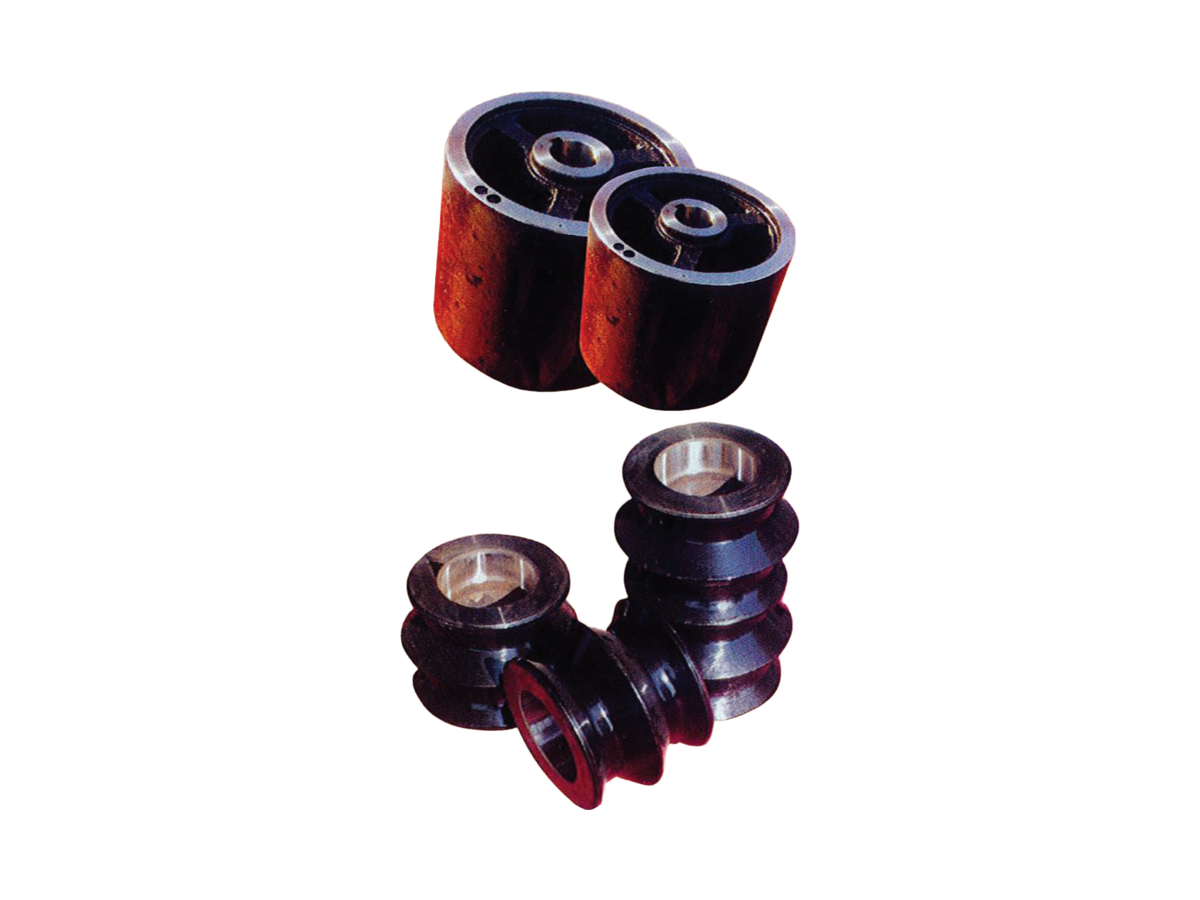
Wear-duty rolls, guide components and hardfaced parts for demanding service.
View product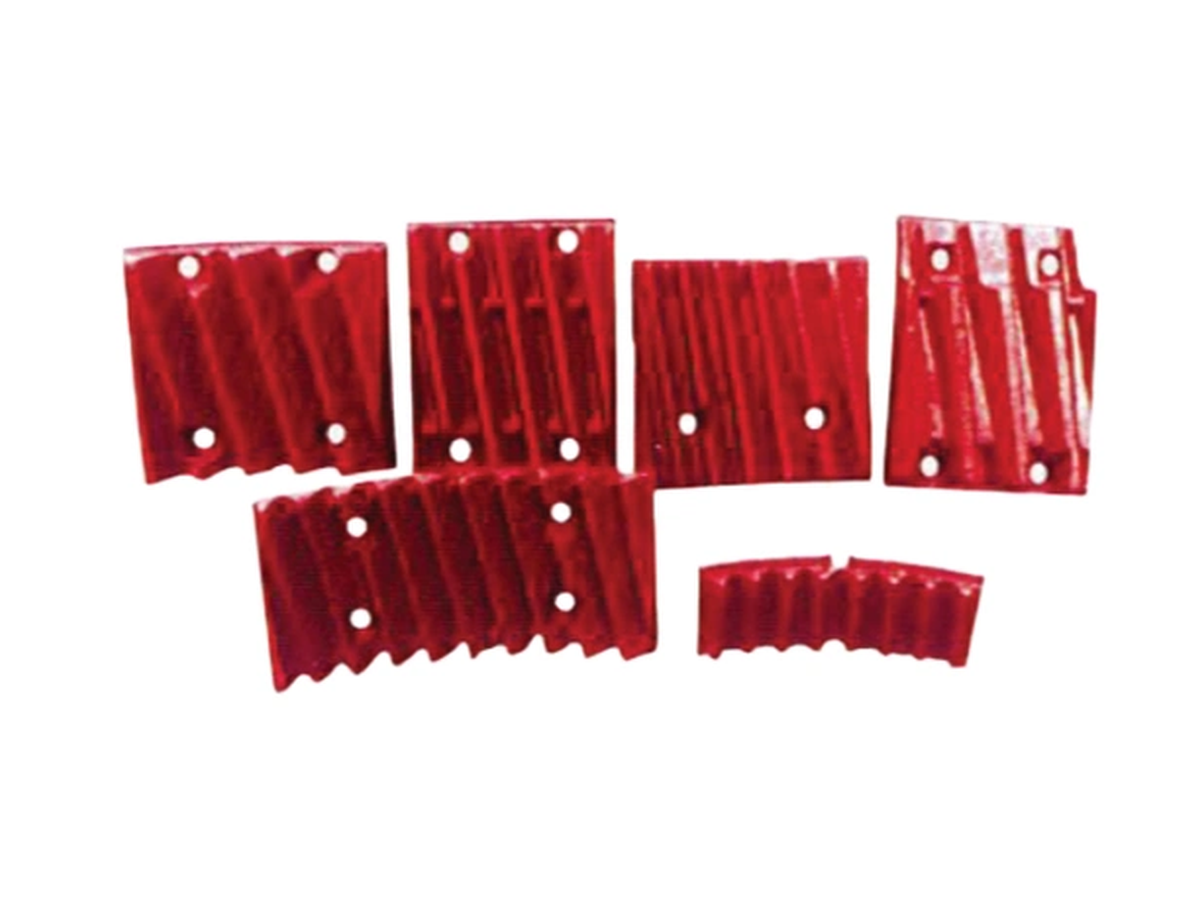
Wear plates, liners and shaped parts for mining and metallurgical machinery.
View product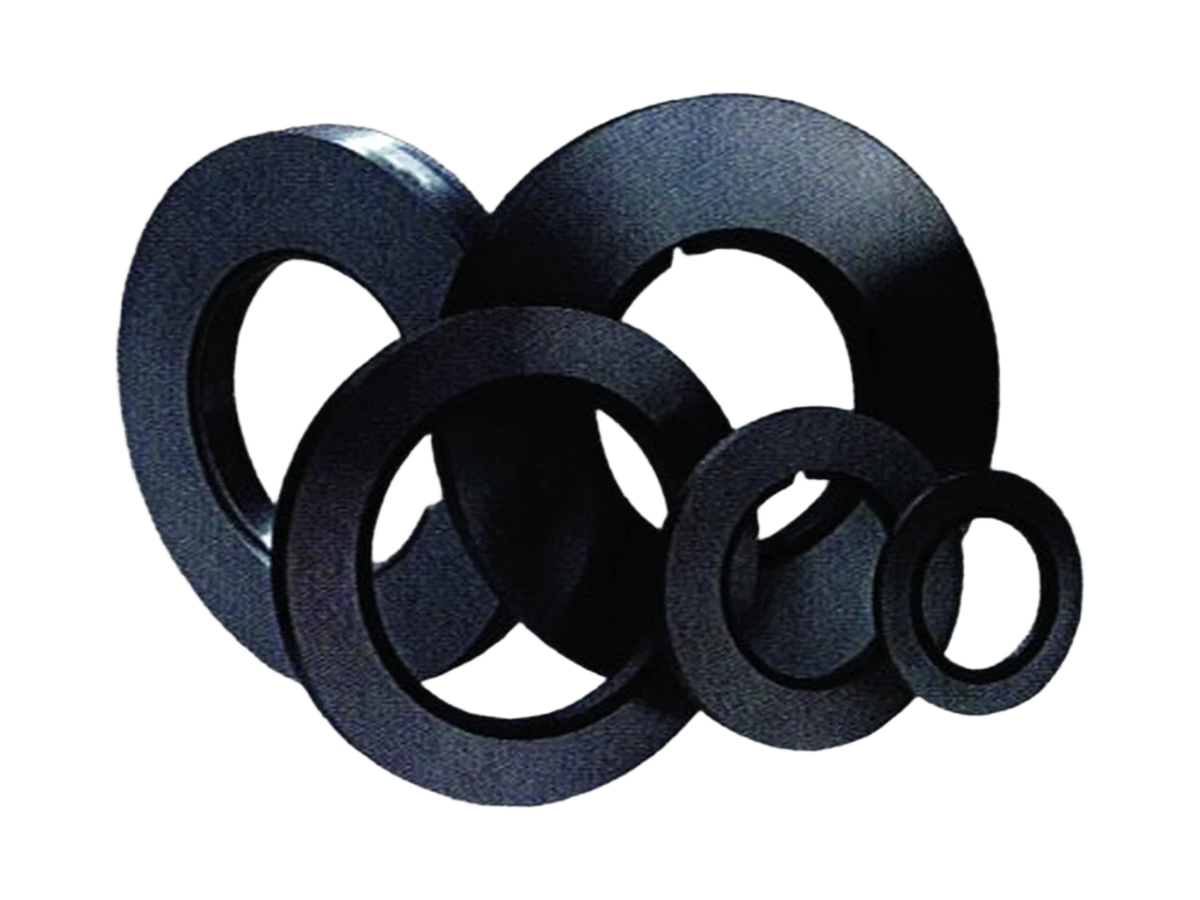
Precision circular knives for coil slitting and edge trimming.
View productShare the operating conditions and quantity so we can define the next step.