
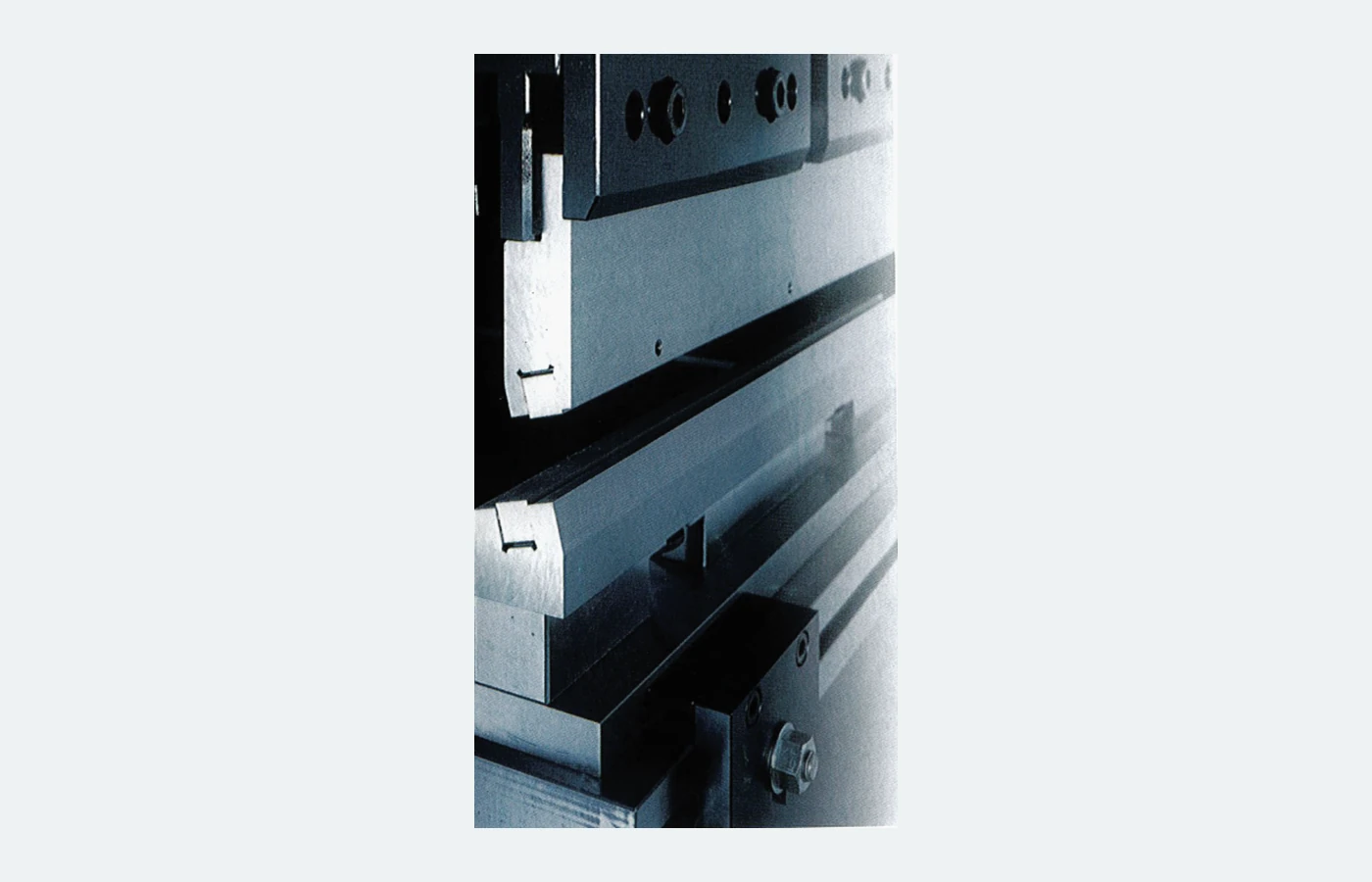
Press-brake working station
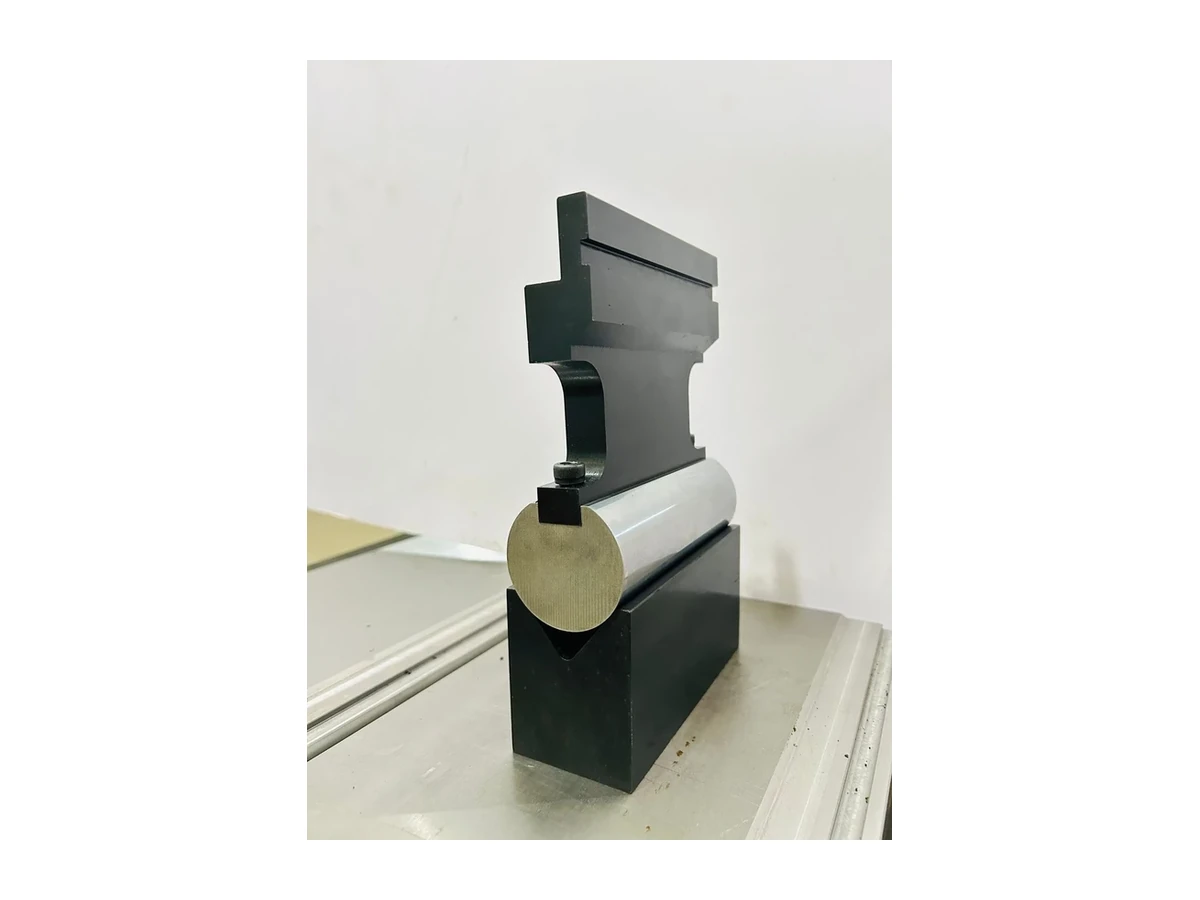
The equipment image illustrates tooling installed at a bending station. Clamp geometry, sheet thickness, bend radius and working length must be reviewed together.
Press brake tooling uses matching upper and lower tools to form sheet into specified angles, radii and sections, with straight, segmented or special-profile arrangements. Selection starts with the finished-part drawing and bending sequence, then considers sheet material and thickness, clamping interfaces, working length and available space. Tool geometry, interference and loading requirements should be reviewed together; a machine brand alone does not establish the tooling needed for a particular bend or installation.
The equipment image illustrates tooling installed at a bending station. Clamp geometry, sheet thickness, bend radius and working length must be reviewed together.
Equipment photographs show application context only; the supply scope on this page is the listed tooling or components, not complete machines.
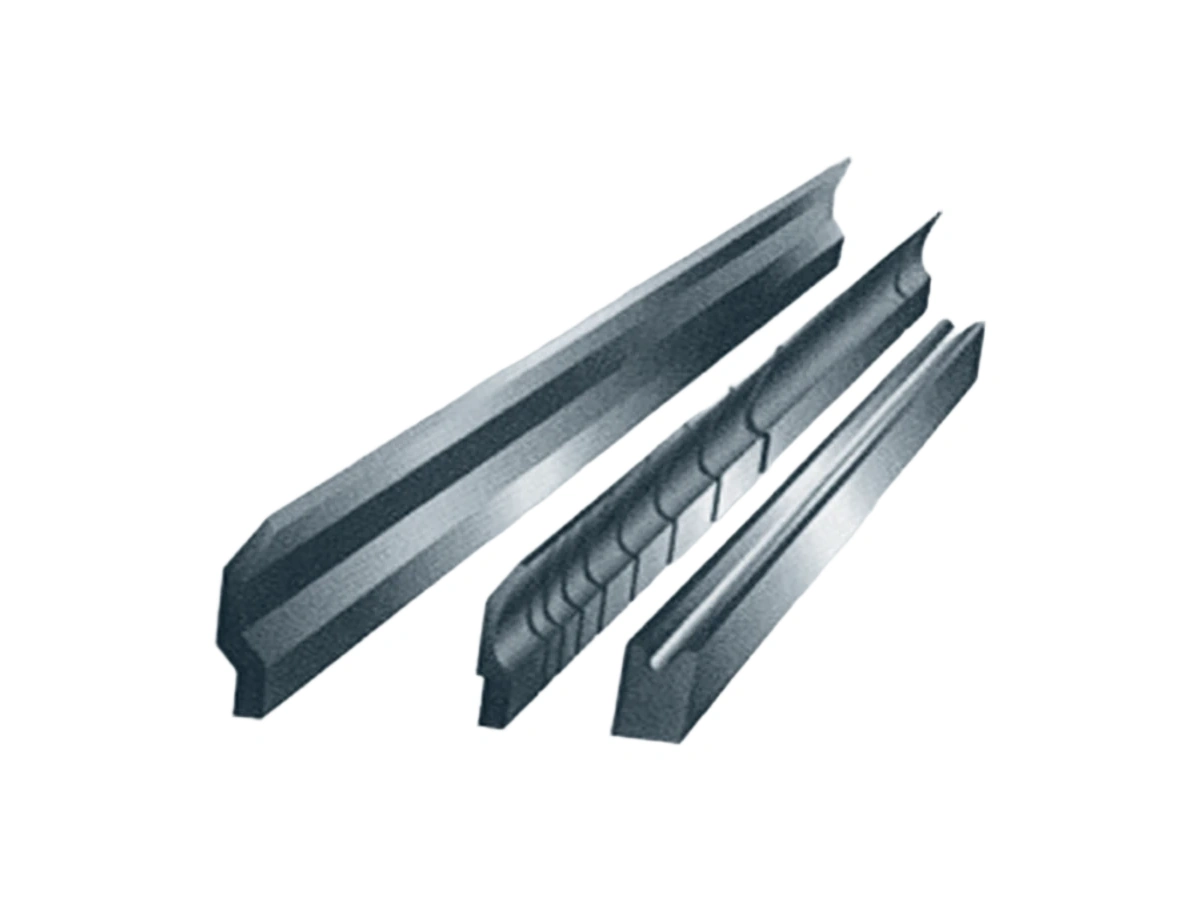
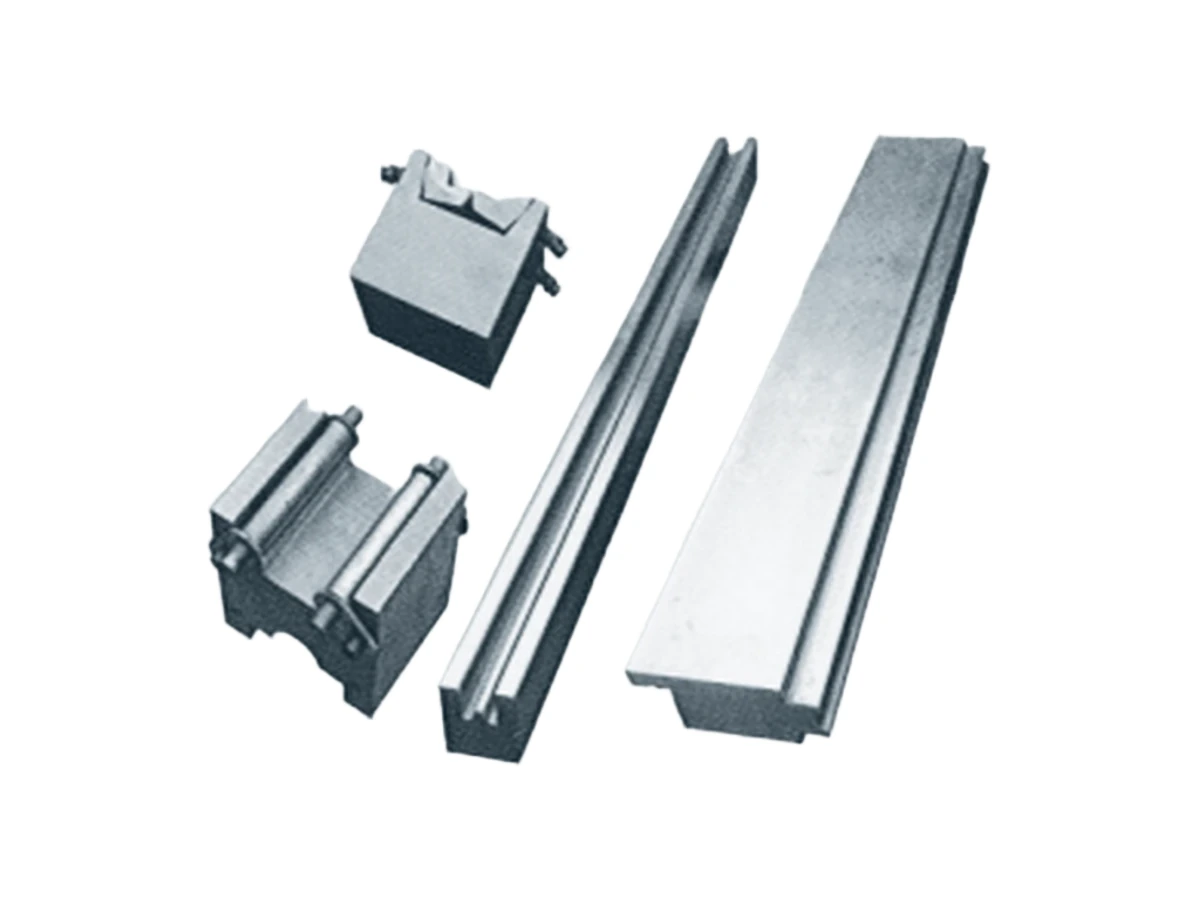
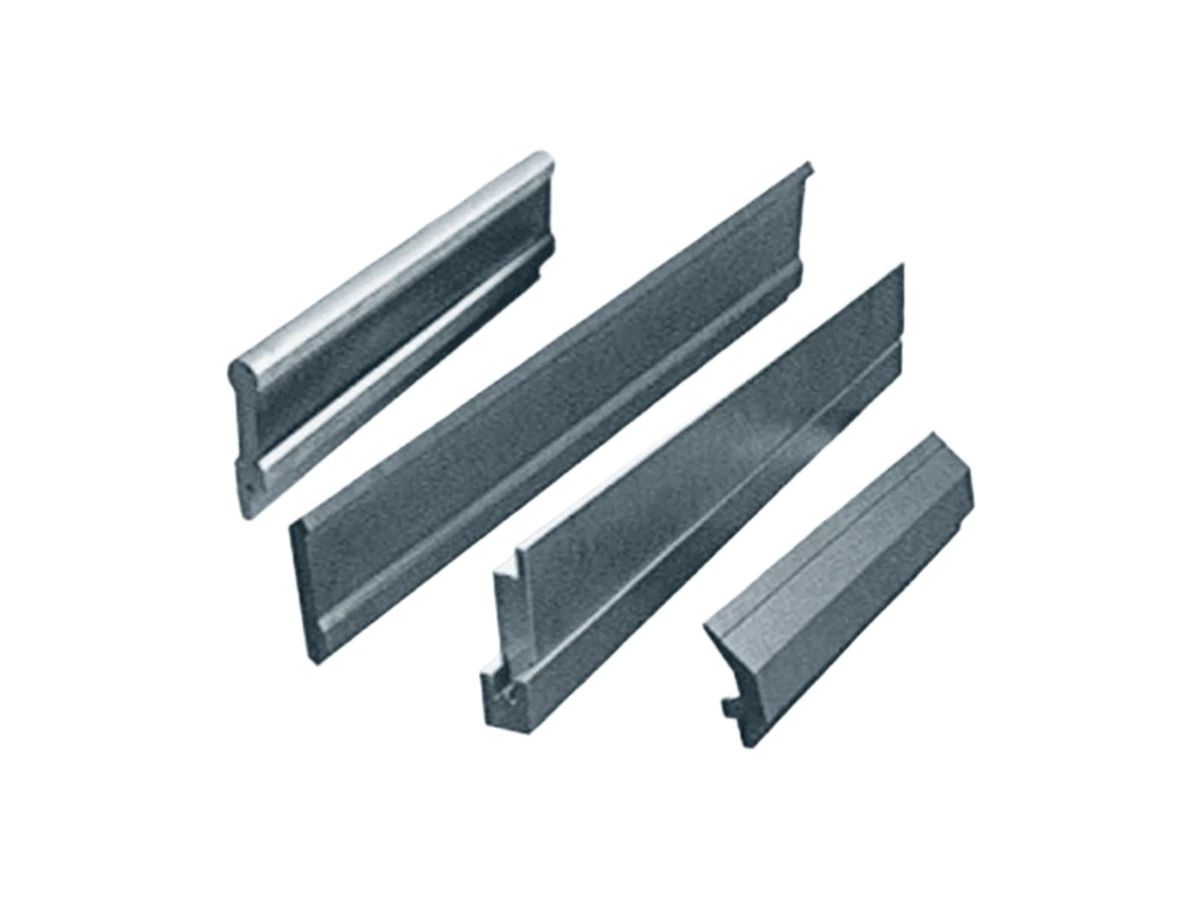
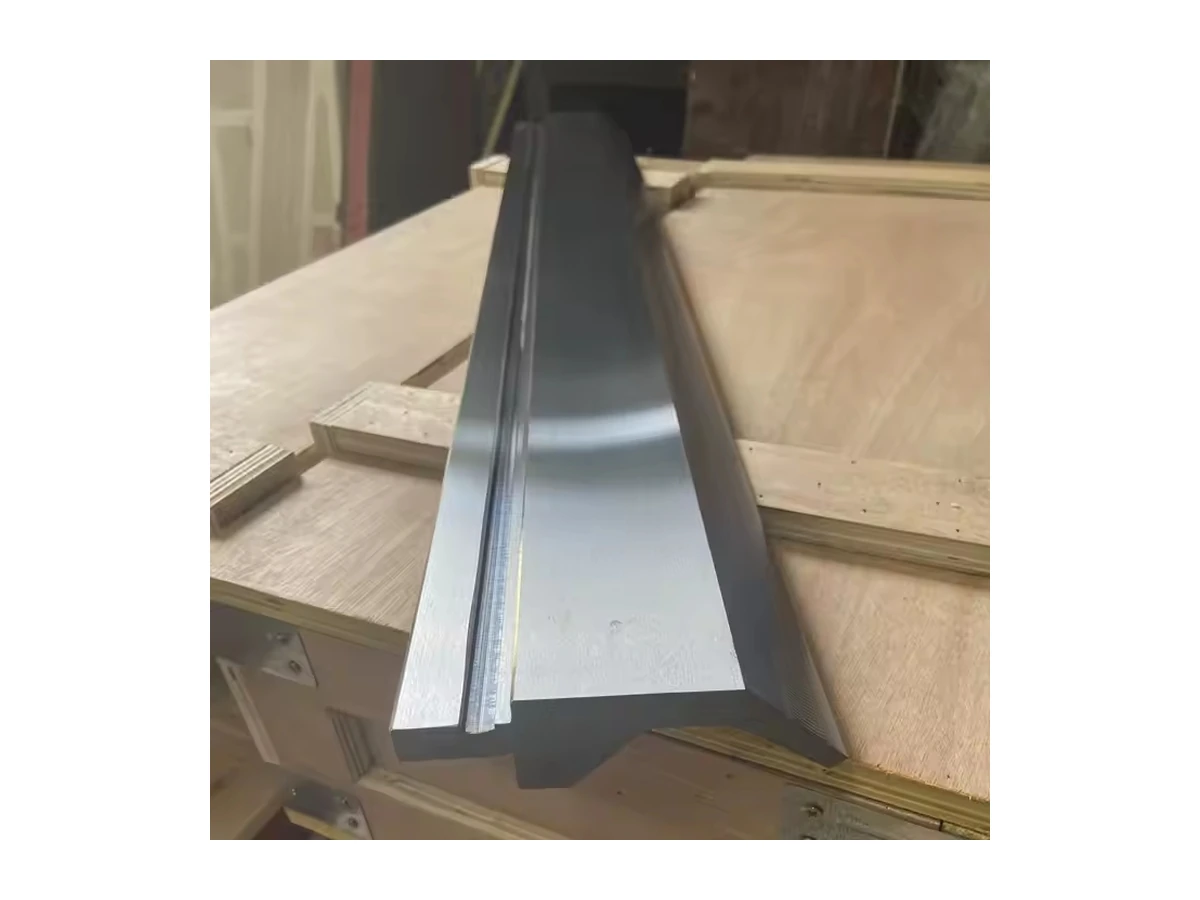
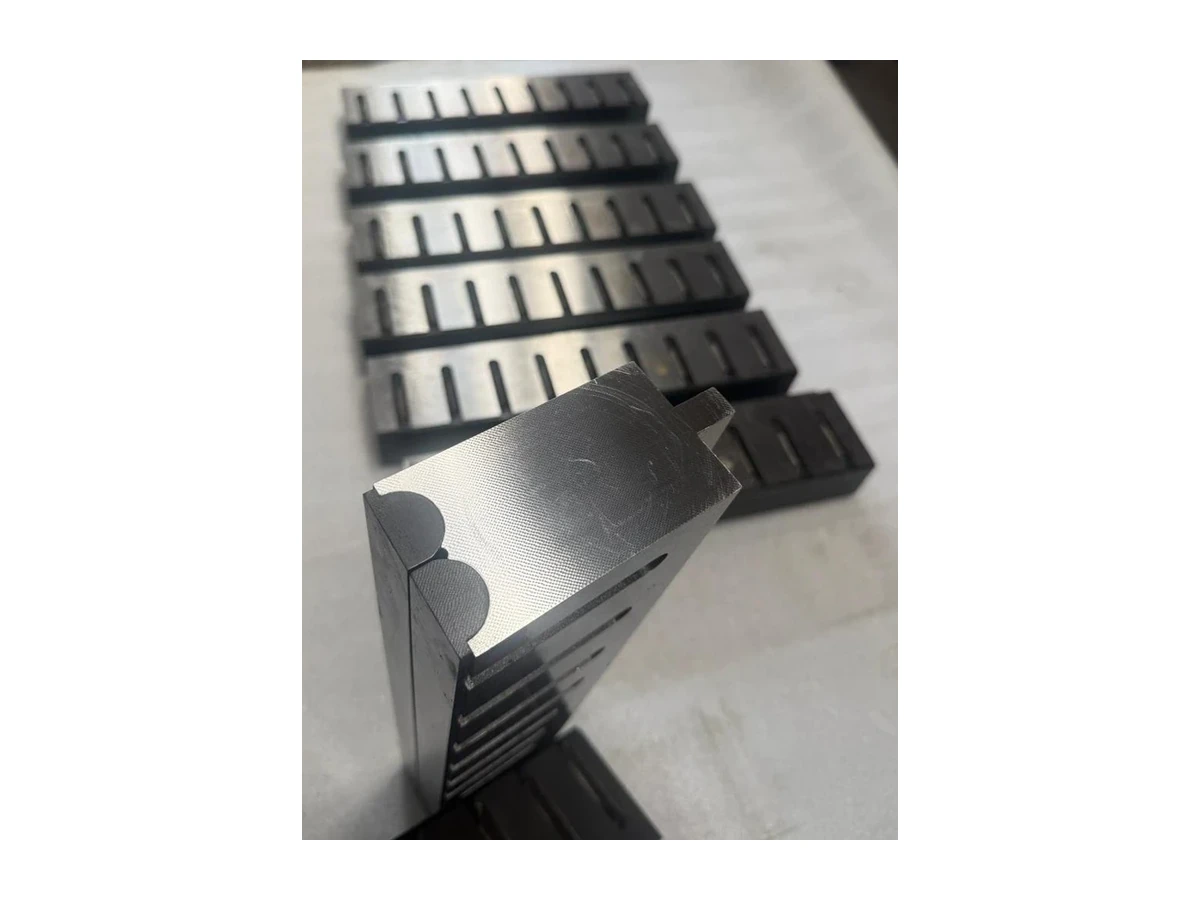
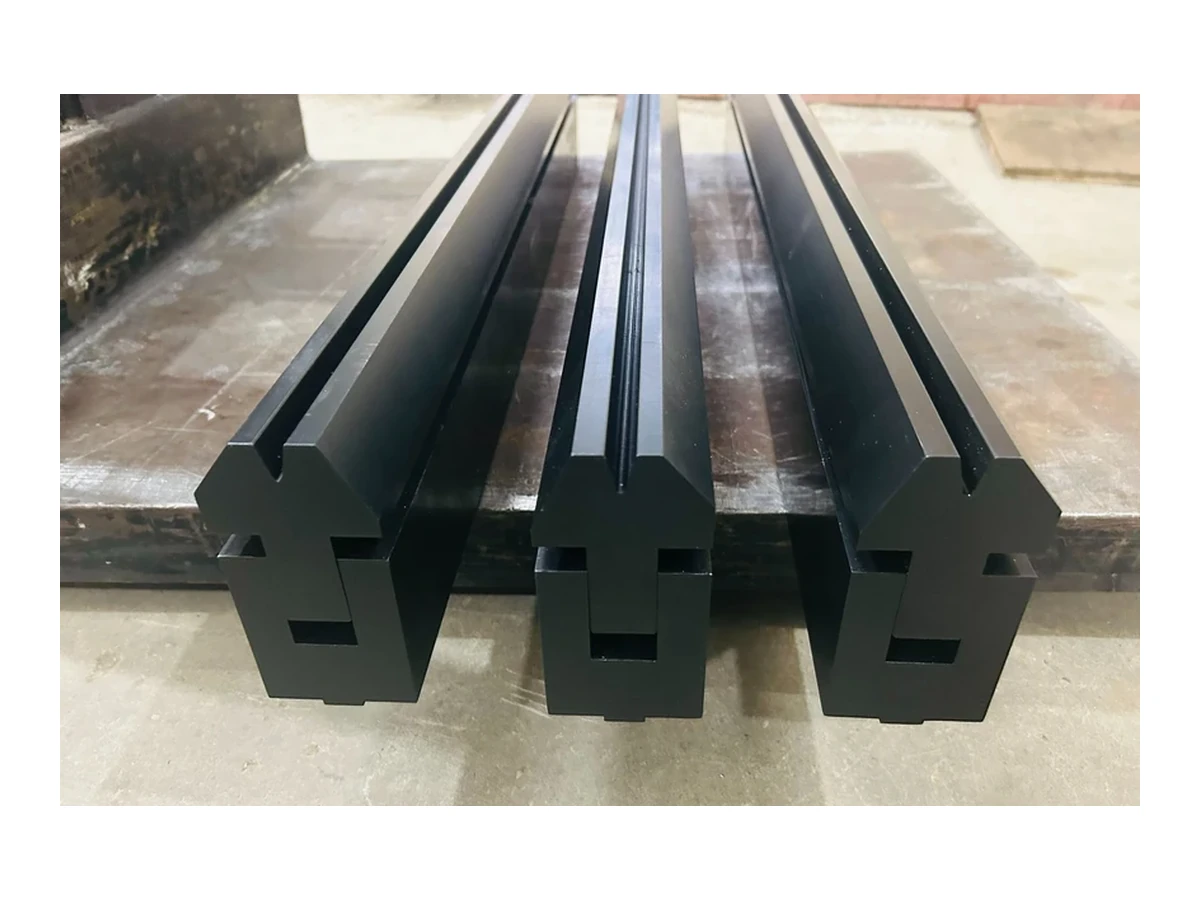
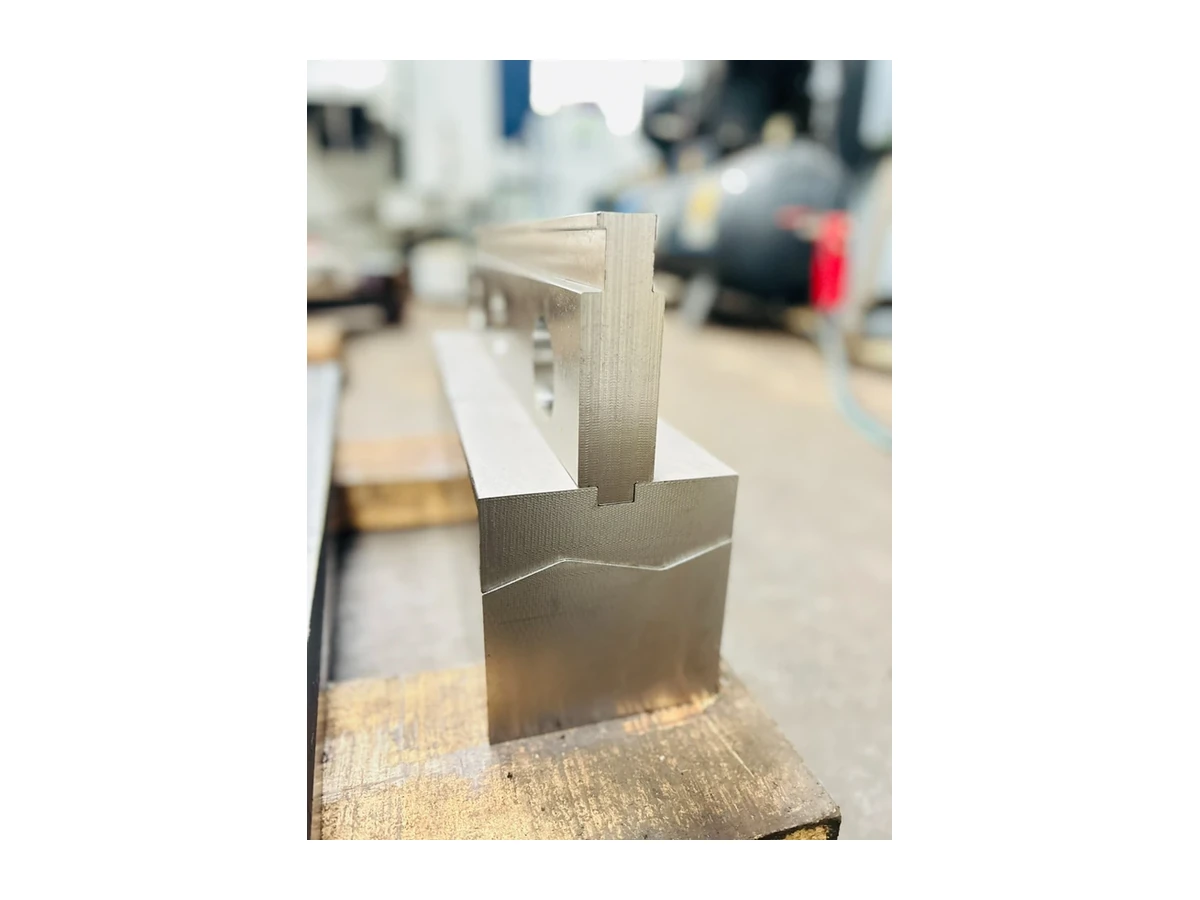
Tool forms include straight and segmented tooling, V-shaped dies, curved profiles and special forming tools, with 90°, 60°, 45° and 30° tools, R-shaped, U-shaped and coining profiles. Confirm the required form against the drawing and clamping interface.
Tooling must be checked against the machine mounting geometry, sheet material, thickness, required bend radius and working length. References to machine makes indicate intended compatibility only, not an authorised relationship or universal fit.
Provide sheet grade, thickness, bend length and target inside radius when reviewing upper/lower profiles. The finished angle does not directly define the tool angle or die-opening requirement.
Supply the full section and bend sequence to review clearance between previously formed flanges and the tooling. Discuss segment lengths and punch profile with loading, unloading and part-rotation arrangements.
For R, U or other profiles, define target section, material condition, forming method and inspection locations. Dedicated profiles require separate review; a sketch alone does not establish the final forming result.
Product images are for reference. Final dimensions, materials and acceptance criteria are subject to the confirmed drawing and quotation.
Click an image to view product details.
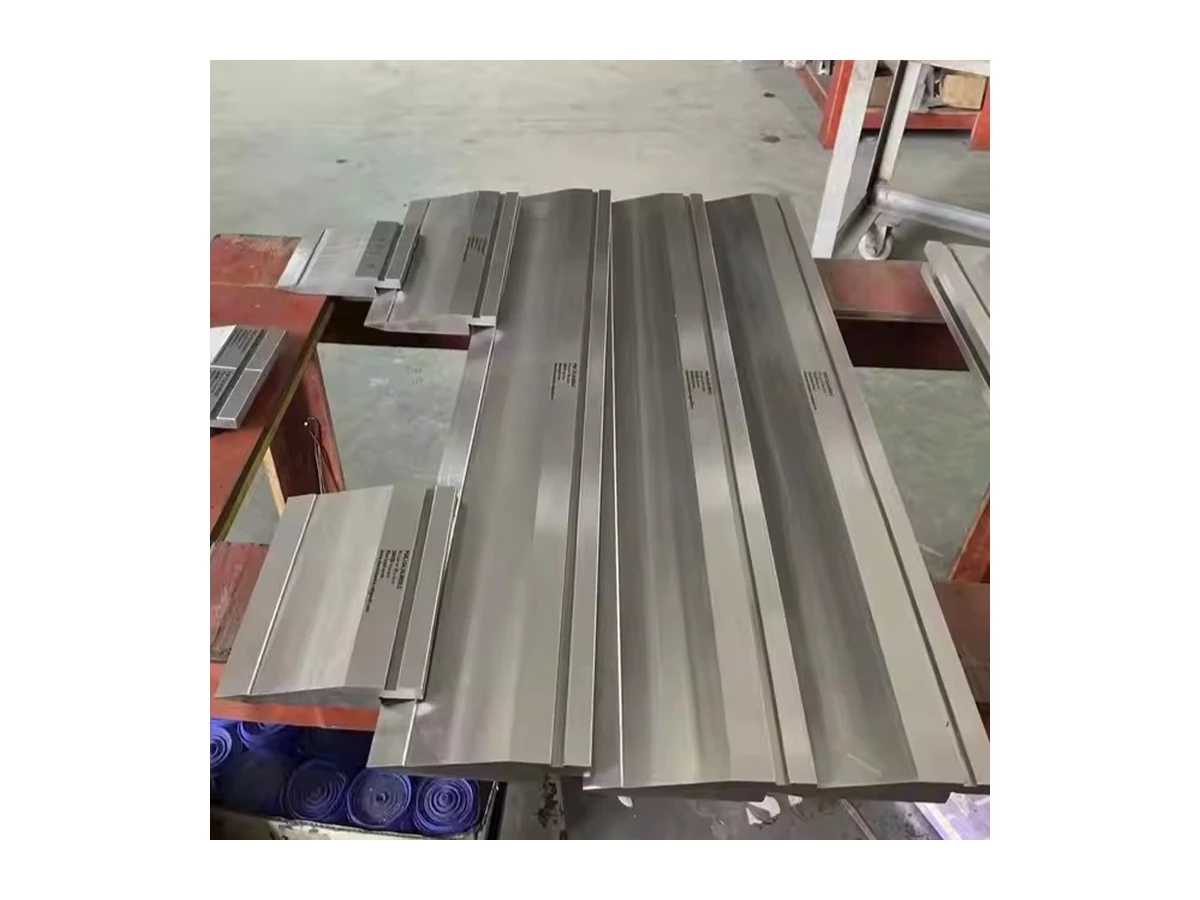
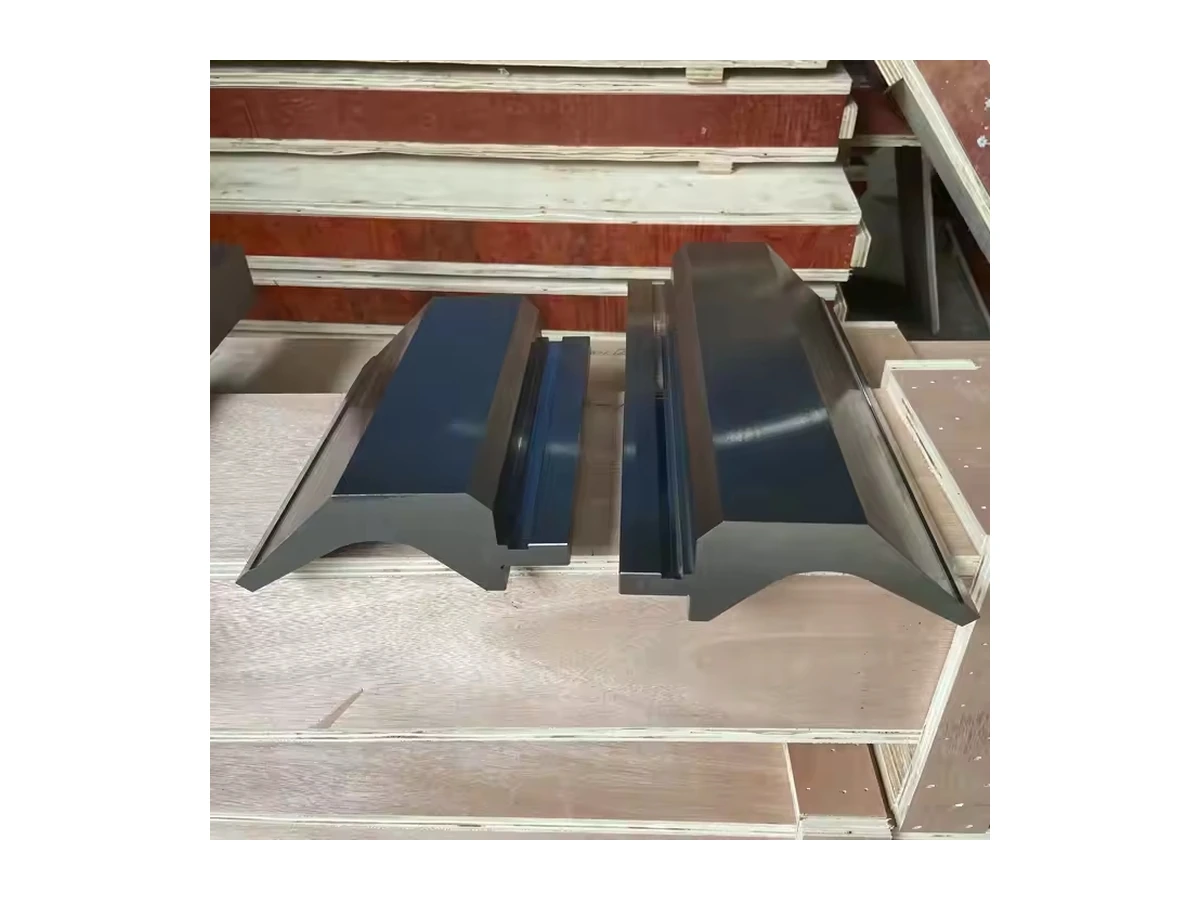
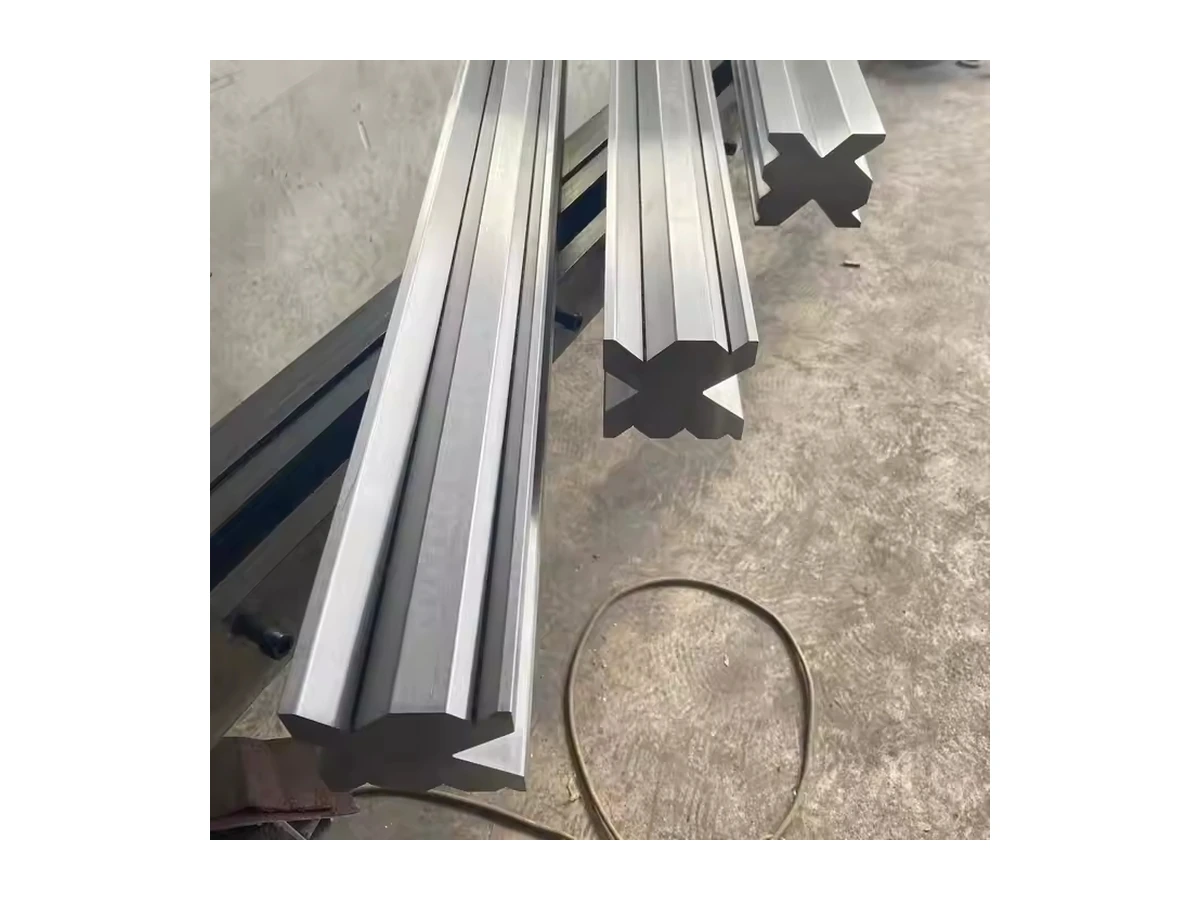
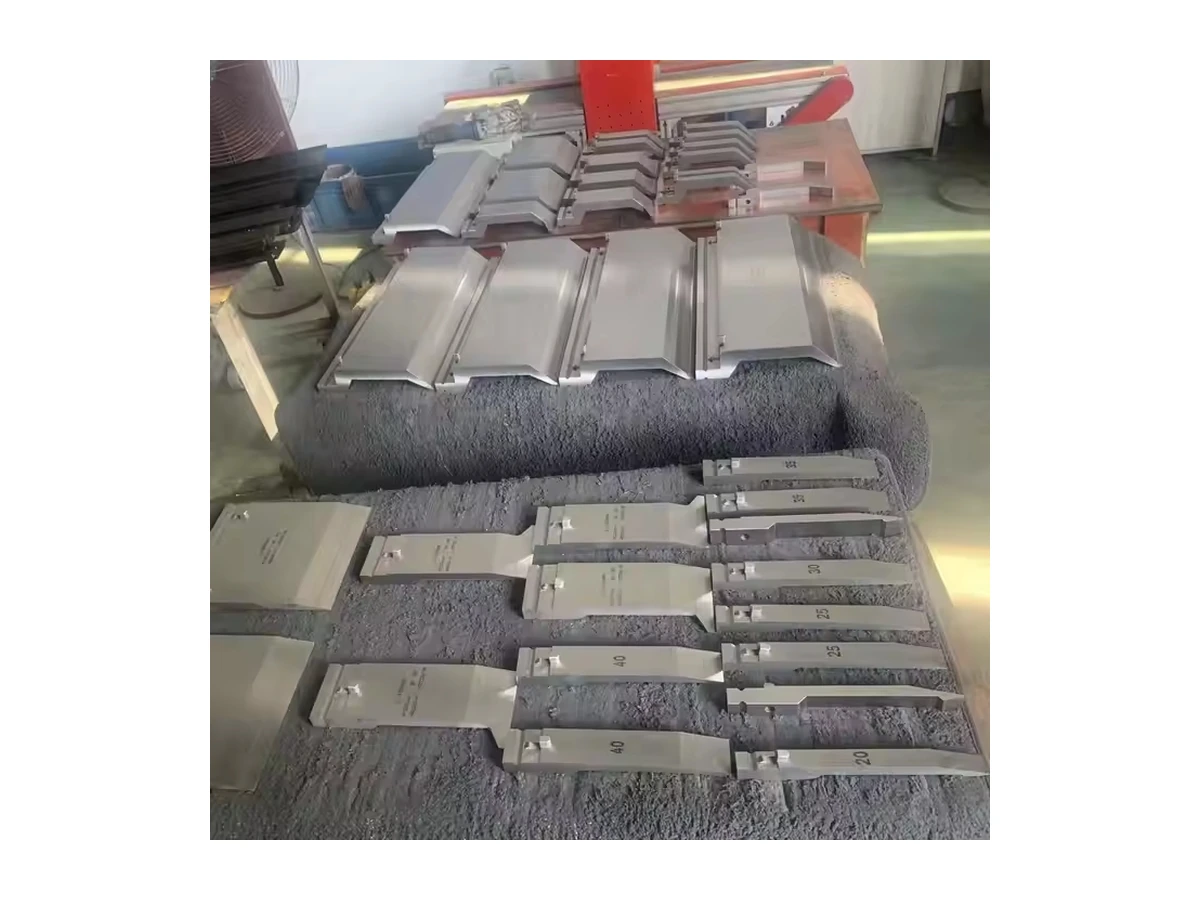
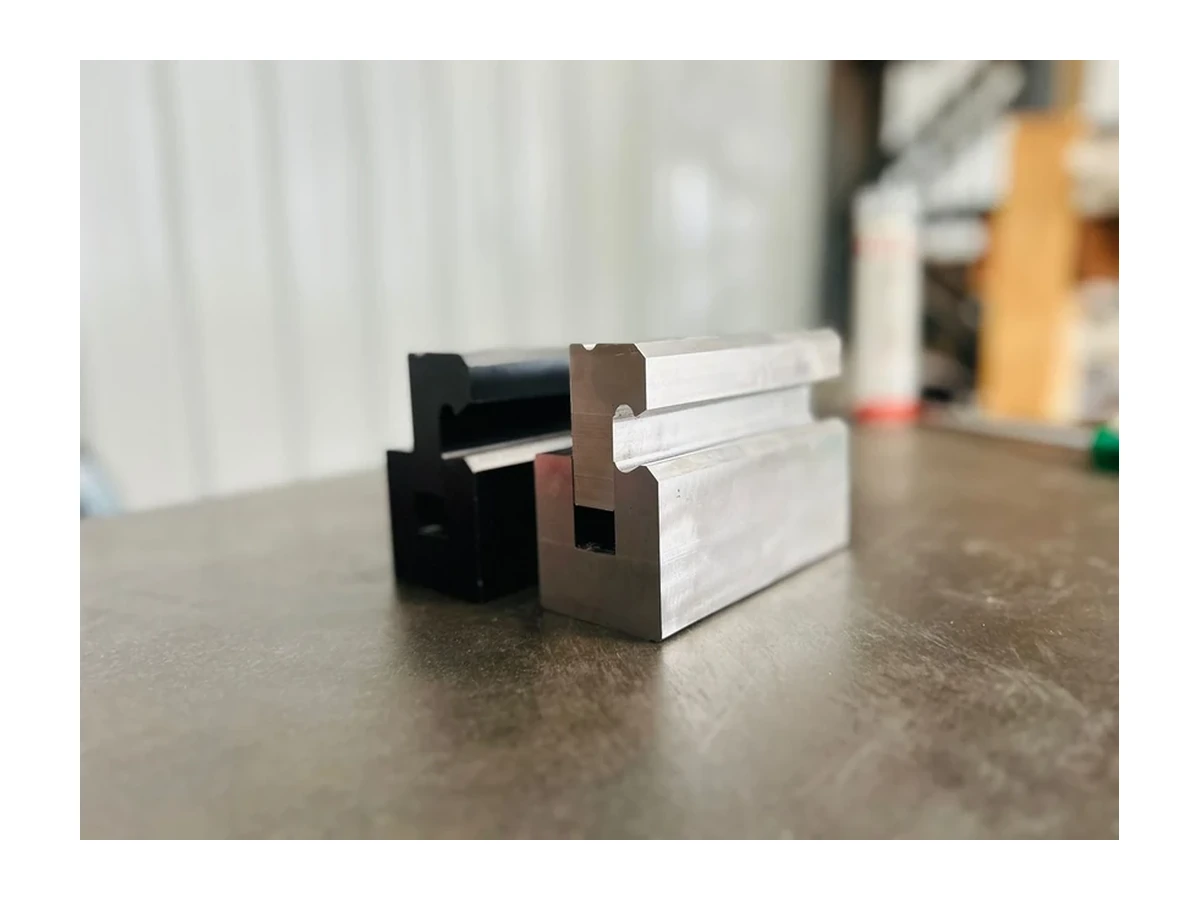
Share the information available using the checklist below to help us review the product against your application. If a complete drawing is not available, start with clear photographs and known dimensions.
The button below opens an email with a product-specific checklist. Fill in the details you know and attach drawings or photographs in your email client.
Email a technical enquiryInformation is for initial review, not a commitment on compatibility, supply or performance. Final materials, geometry, configuration, lead time and acceptance requirements are subject to the confirmed drawing and quotation.
Clarify the operating conditions and interfaces before deciding on materials, geometry or configuration.
No. Include tang geometry, locating faces, insertion method and machine opening. Clamp photographs and measured dimensions help review interfaces alongside the part drawing and required tool form.
Finished angle and tool angle are not directly equivalent. Material, springback and forming method also matter. Provide material condition, inside radius and the existing process before discussing upper/lower profiles.
Provide the complete section, bend sequence, flange heights and existing tooling profiles, marking the affected operation. Review machine opening and handling arrangements rather than considering the individual bend alone.
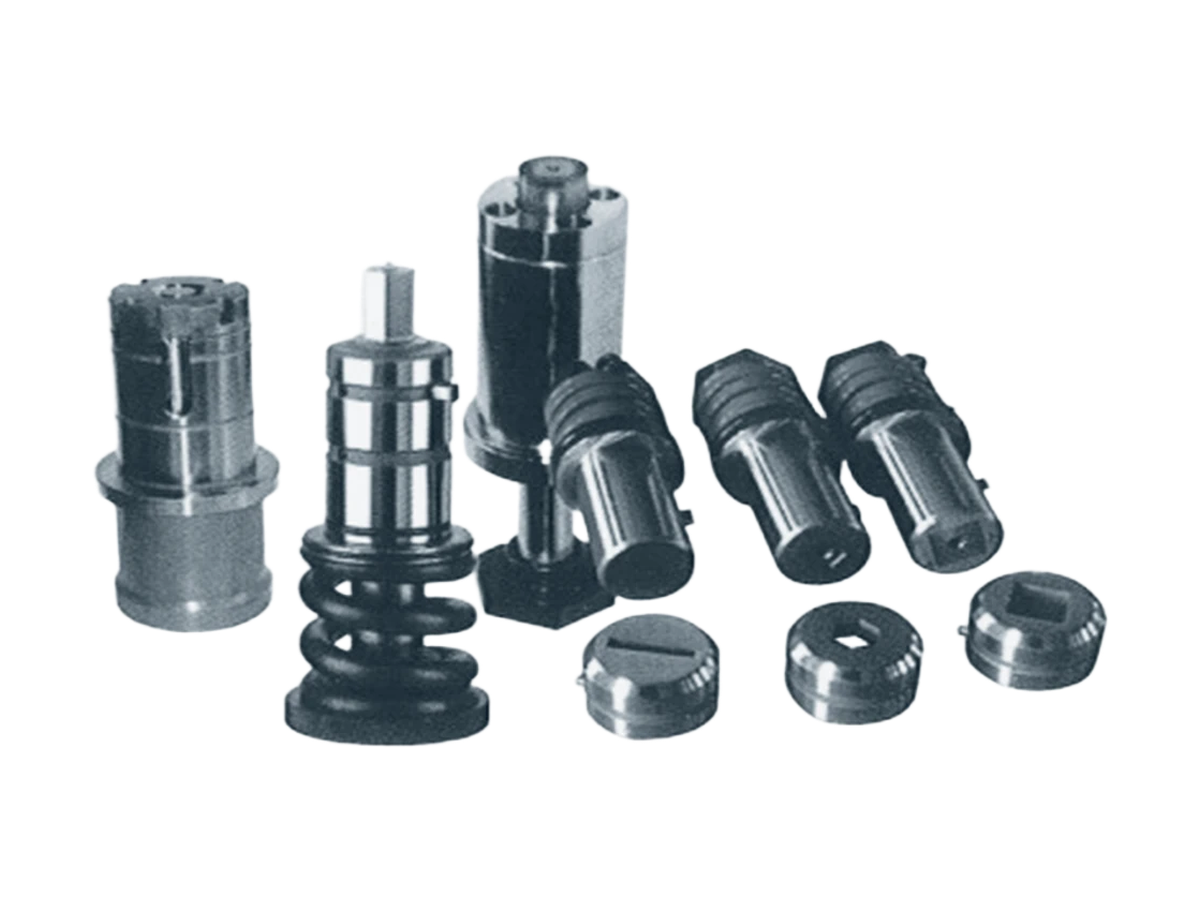
Punches, die inserts and tooling assemblies for machine-specific replacement enquiries.
View product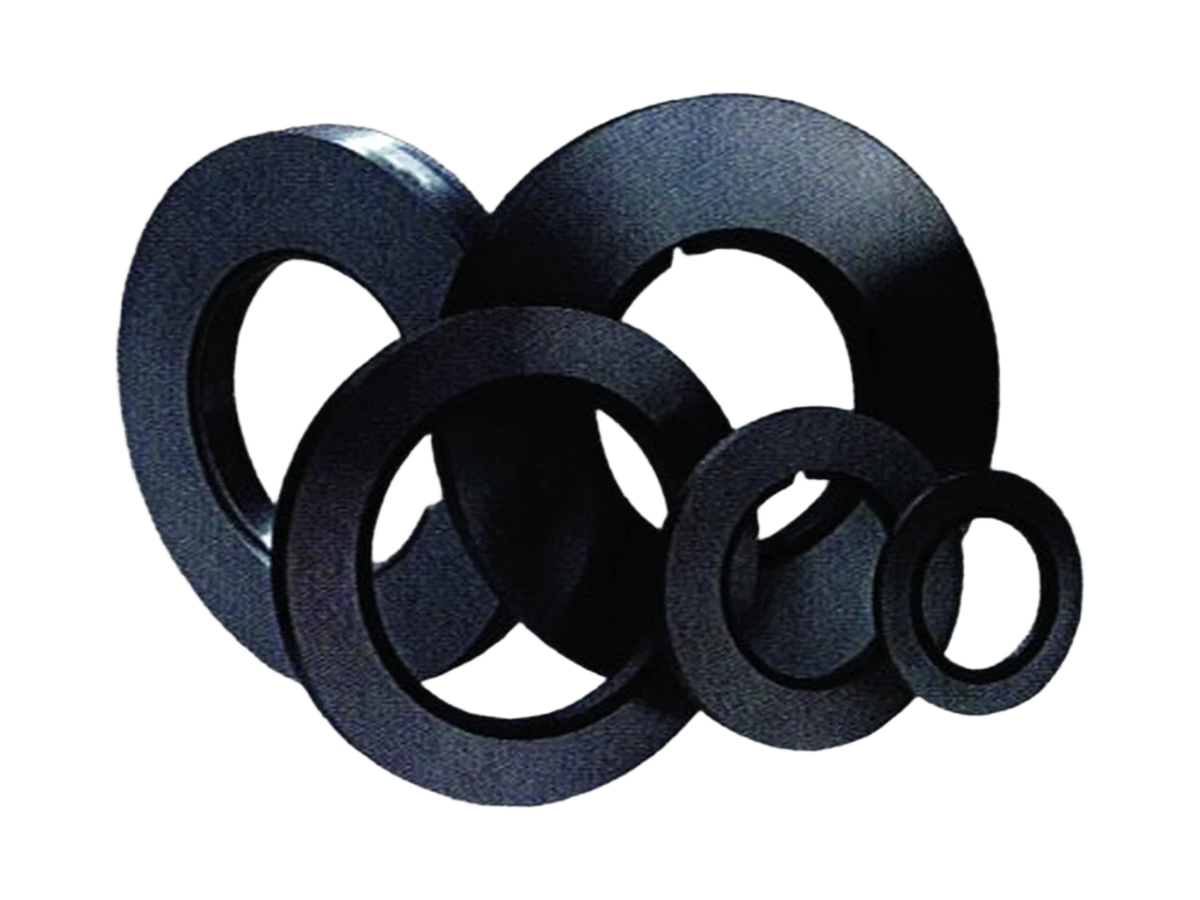
Precision circular knives for coil slitting and edge trimming.
View product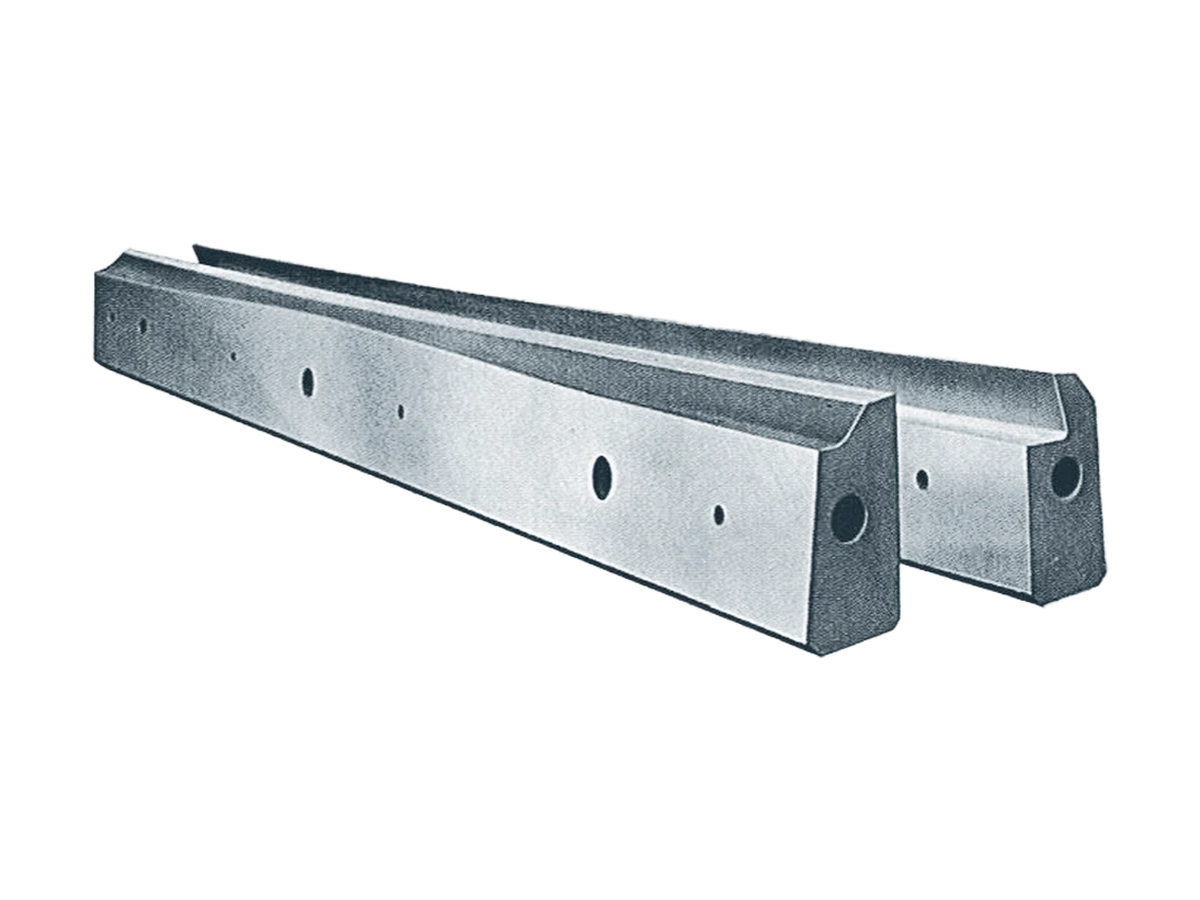
Shear blades for hot and cold shearing, flying shears, and bar, billet and plate cutting in steel processing lines.
View productShare the operating conditions and quantity so we can define the next step.