
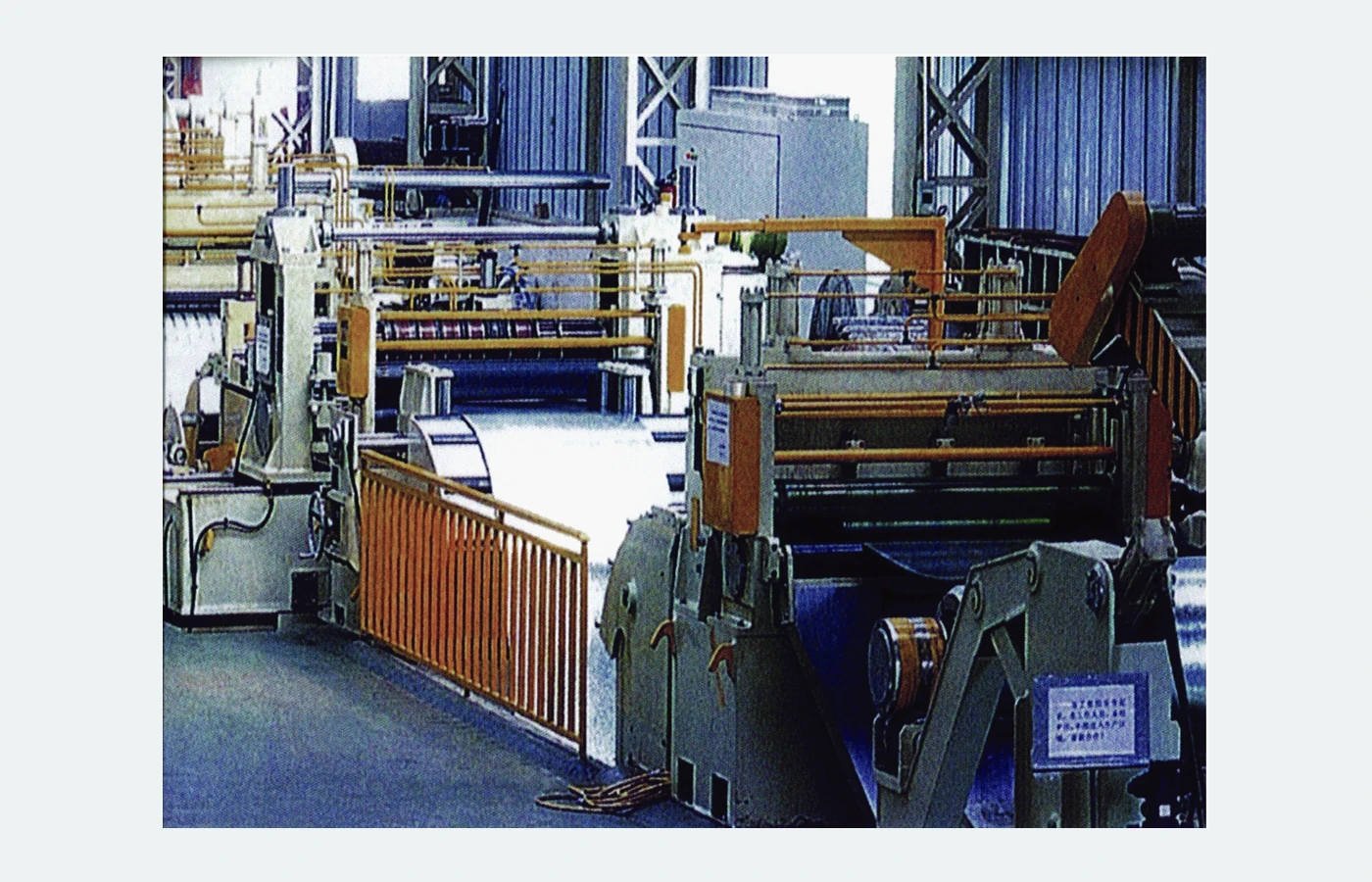
Matched slitting-line tooling
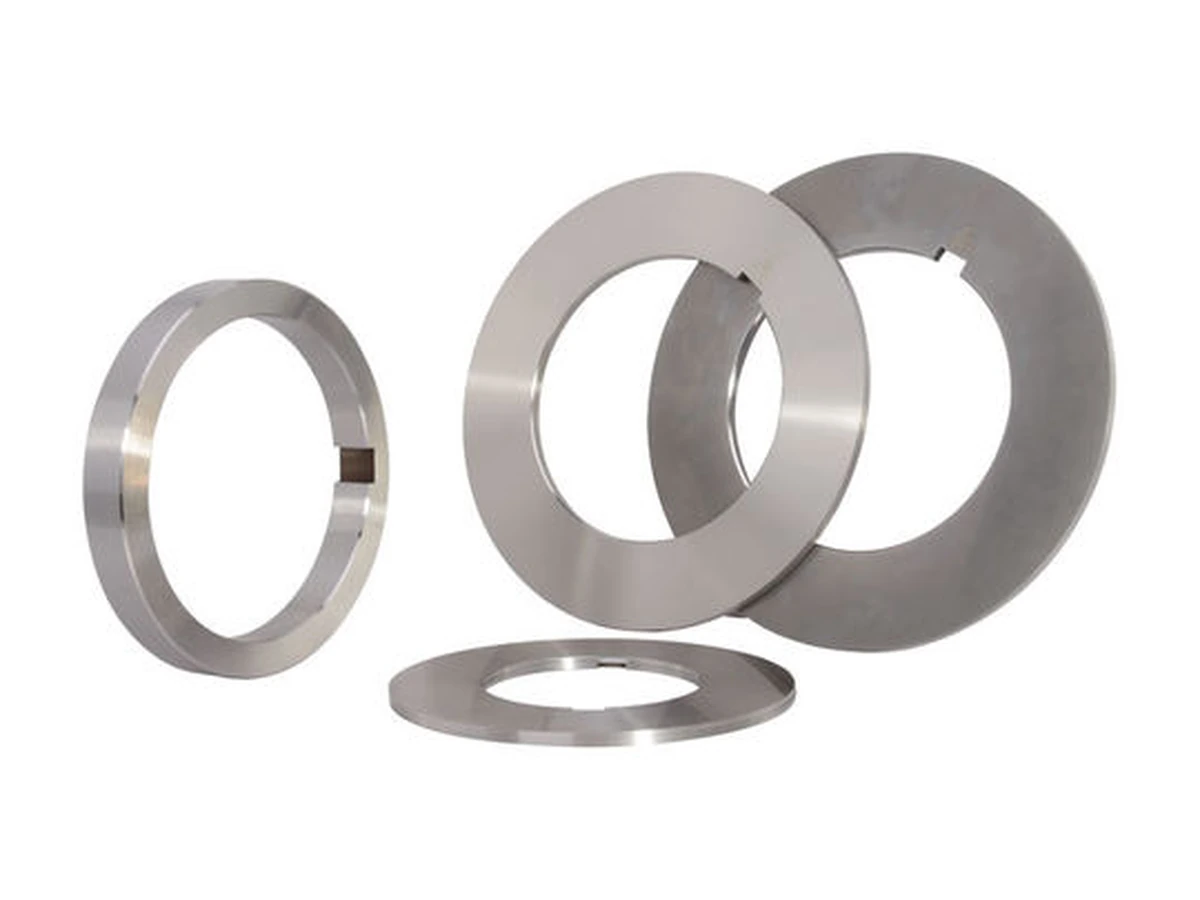
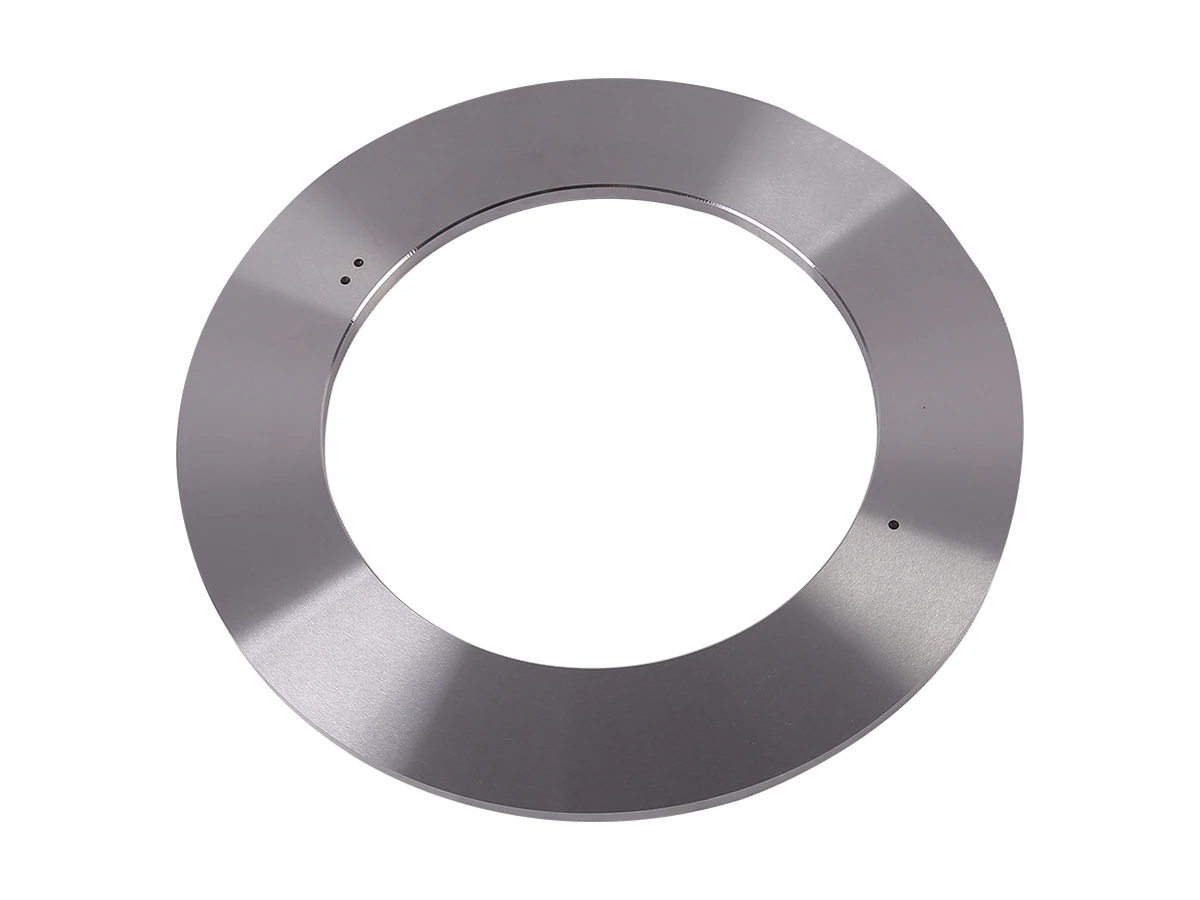
Spacers set the axial positions of the knives. Review the complete stack, knife thickness and arbor interface rather than an isolated ring.
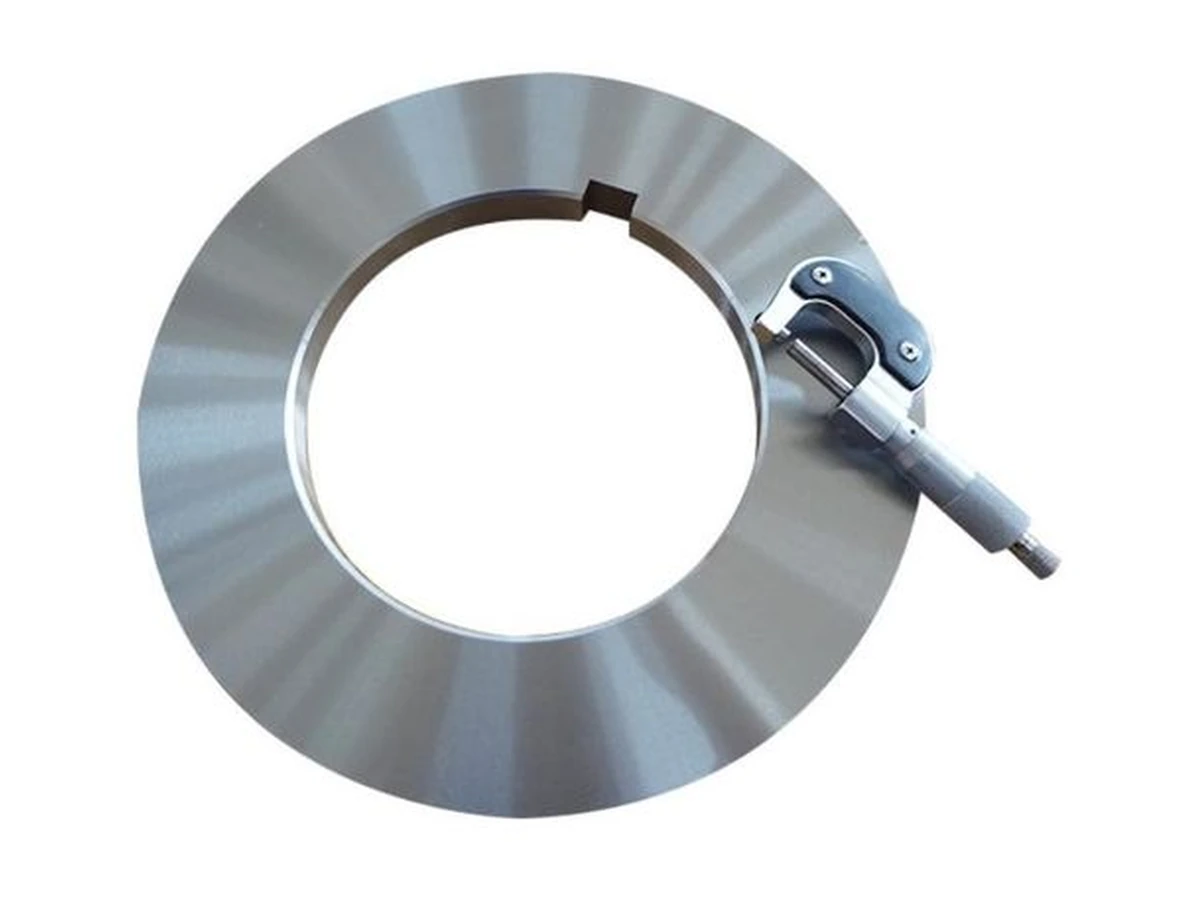
Precision spacers and rings locate slitting knives axially and build the required tooling widths, using thin shims, thicker spacers and locating bushes. Selection should relate target strip width, knife thickness and the complete stack sequence to arbor fit, end-face condition and inspection method. Individual thickness tolerance is only one part of this review; it should not be treated as a direct statement of the strip-width accuracy achievable by the assembled slitting line.
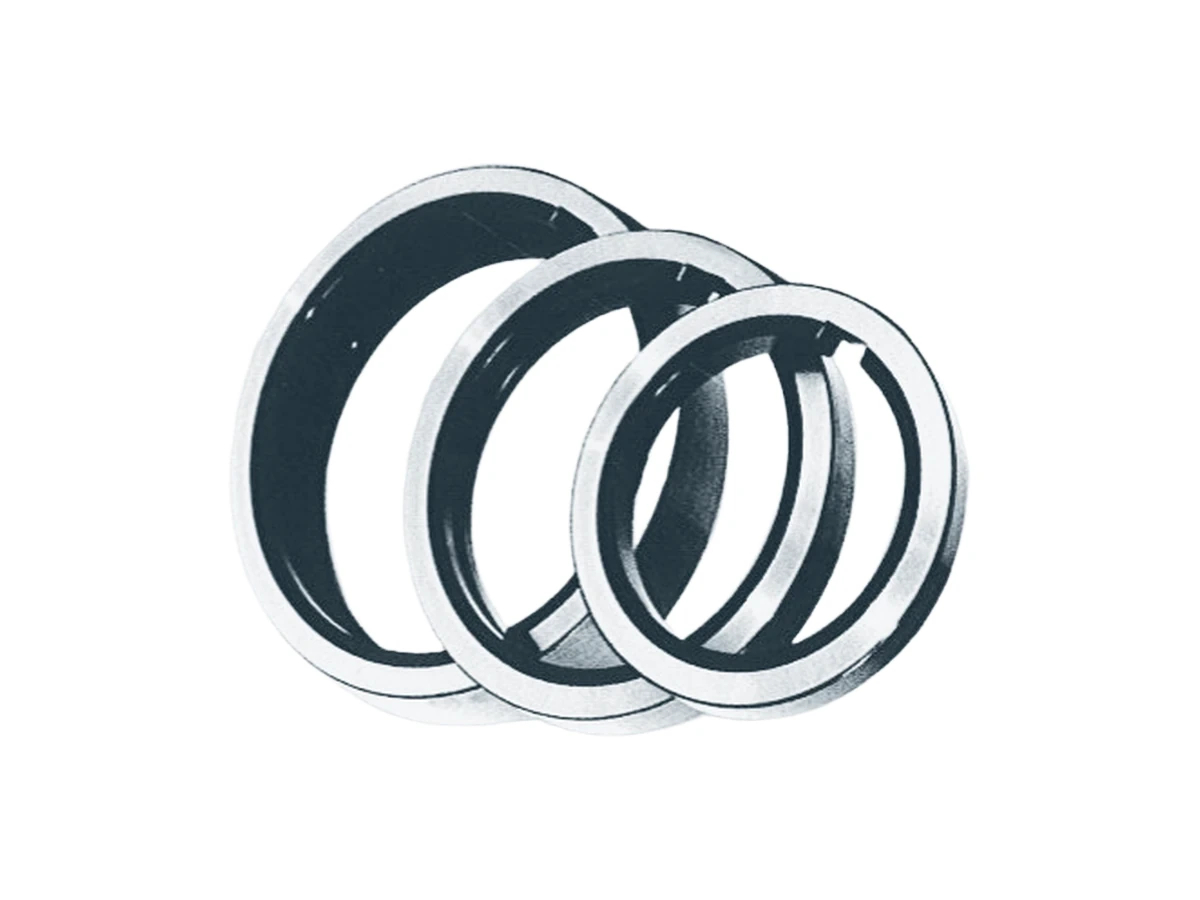
Spacers set the axial positions of the knives. Review the complete stack, knife thickness and arbor interface rather than an isolated ring.
Equipment photographs show application context only; the supply scope on this page is the listed tooling or components, not complete machines.
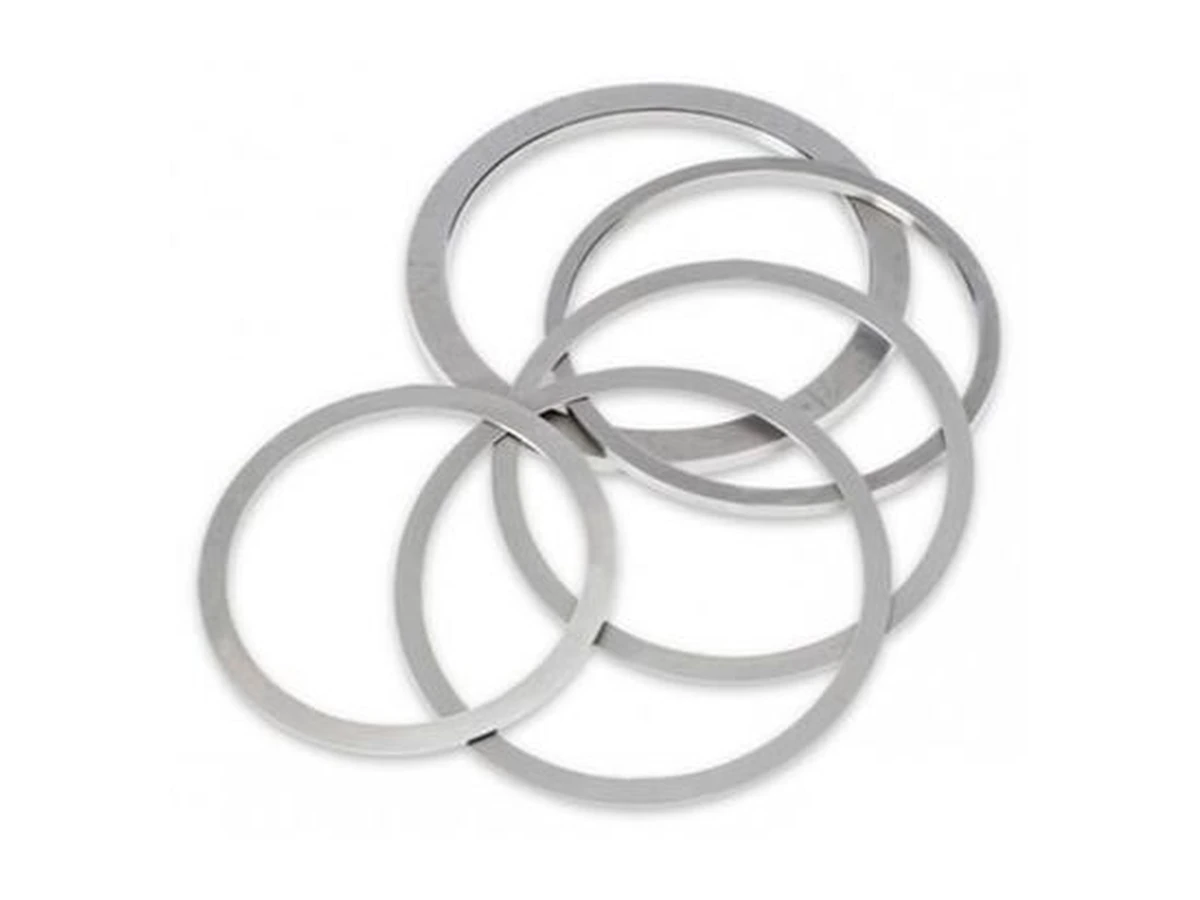
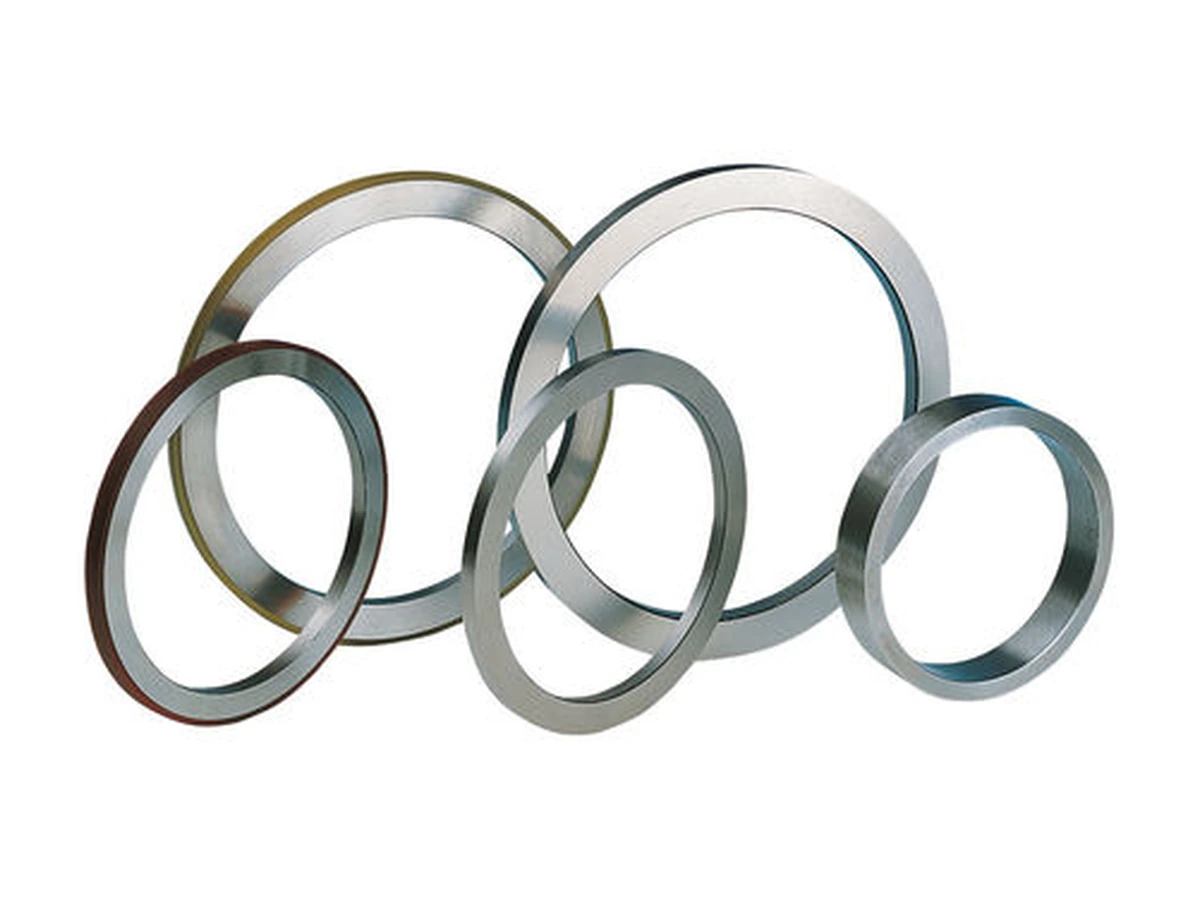
Spacers establish the axial positions of circular knives. Configurations include thin shims, thick spacer bushes and grouped sets for strip-processing applications.
40CrMo is a material option subject to application review. Heat treatment, finishing, demagnetisation, stack dimensions, surface condition and tolerances must be agreed for the actual arbor and tooling setup.
Spacers combine with circular knives to build strip-width arrangements. Provide upper/lower sequences, knife thicknesses and target widths so every spacer position can be reviewed, rather than only the total stack length.
Identify adjustment positions, thickness series and quantities when shims are used in an existing stack. Describe cleaning and measurement practices so inspection requirements can be agreed for the actual application.
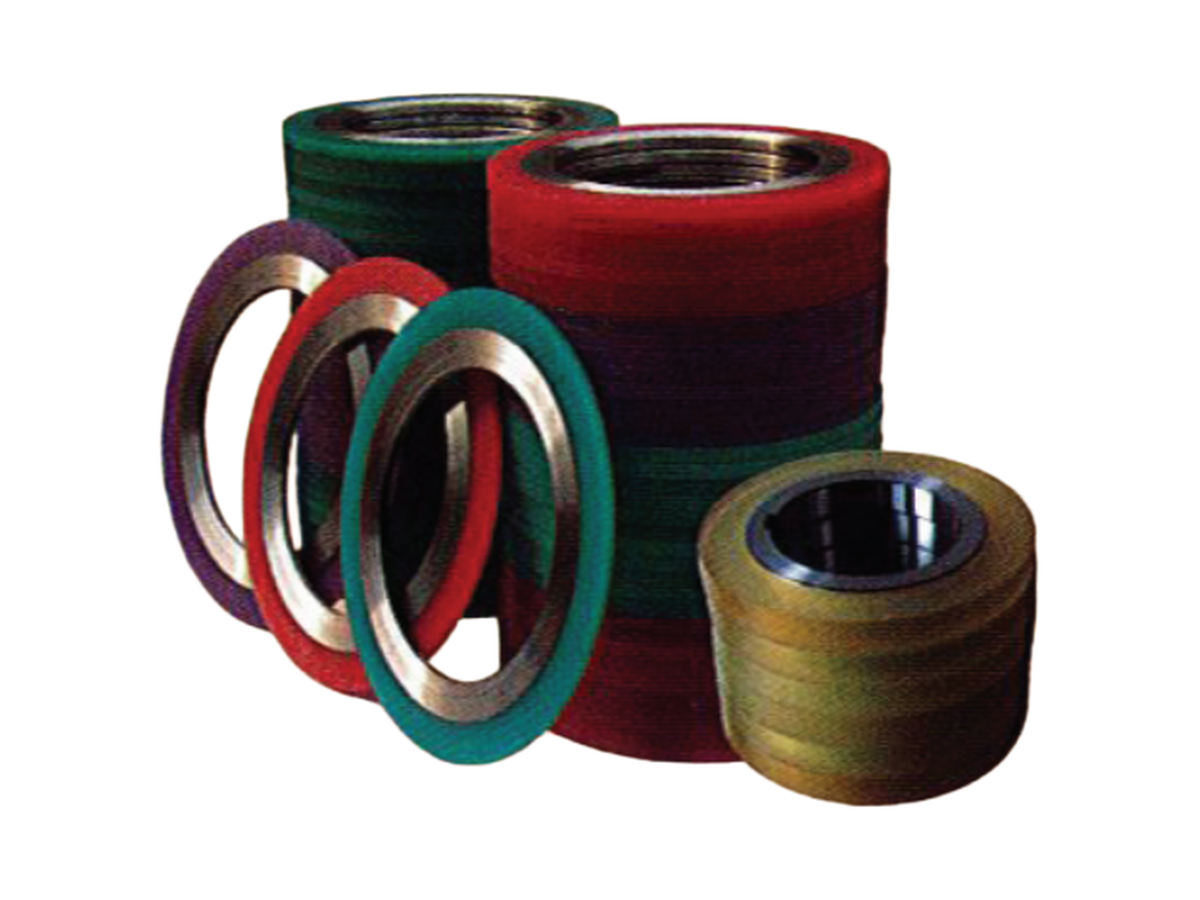
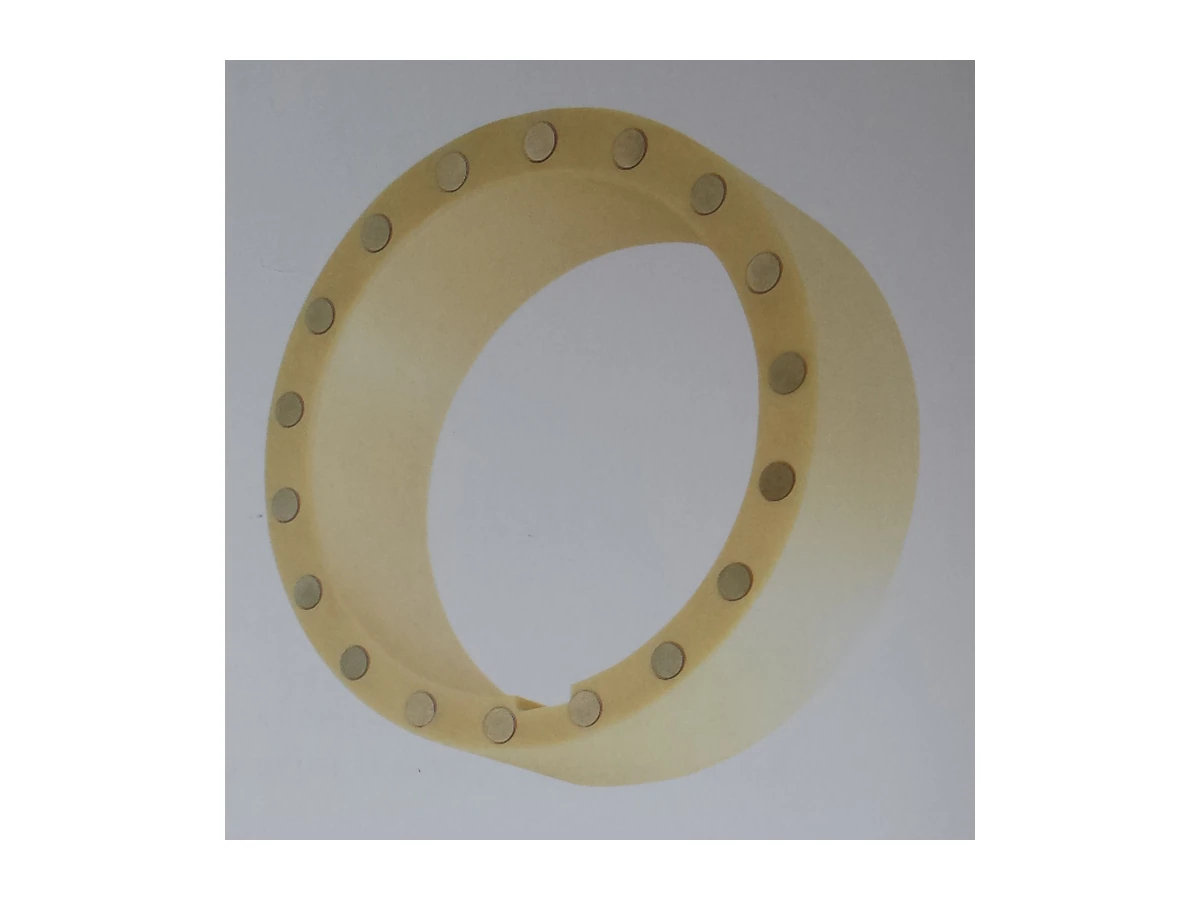
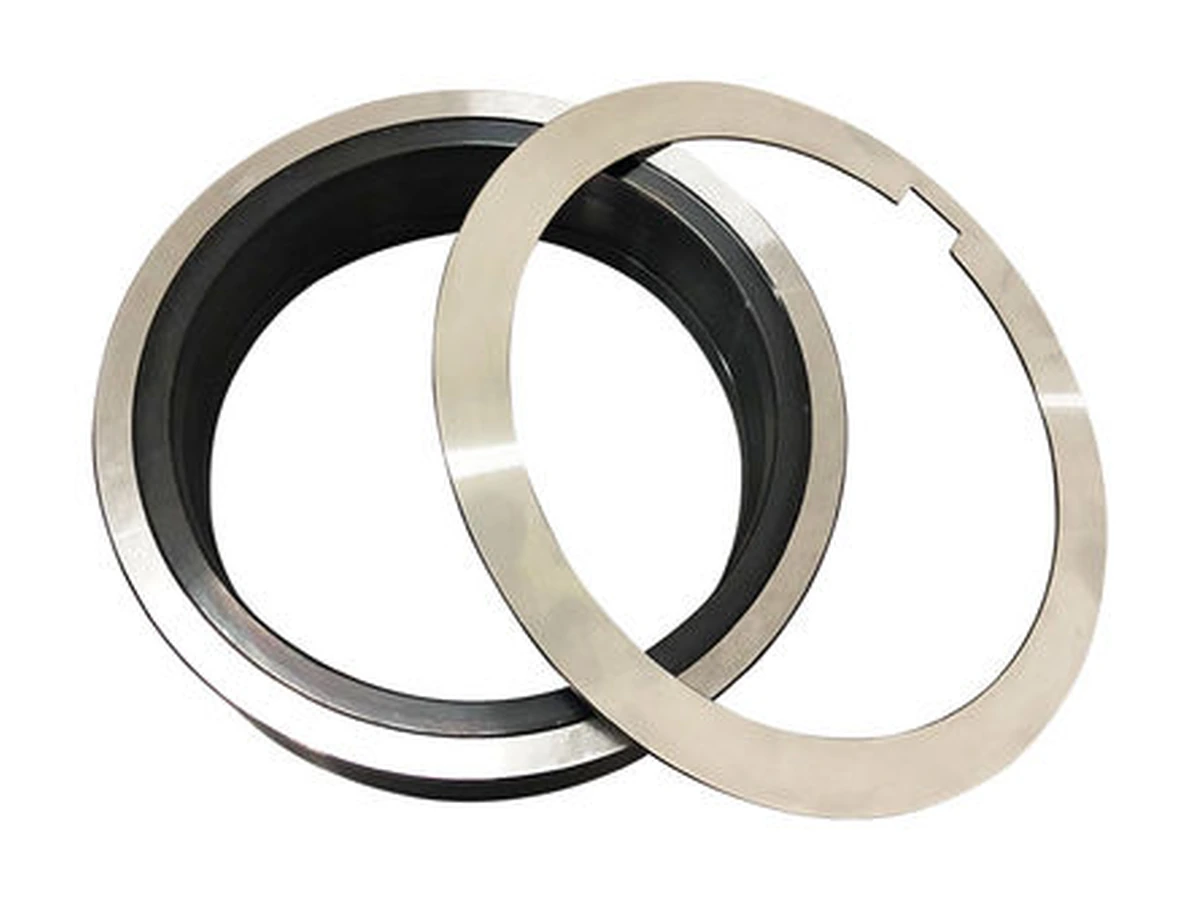
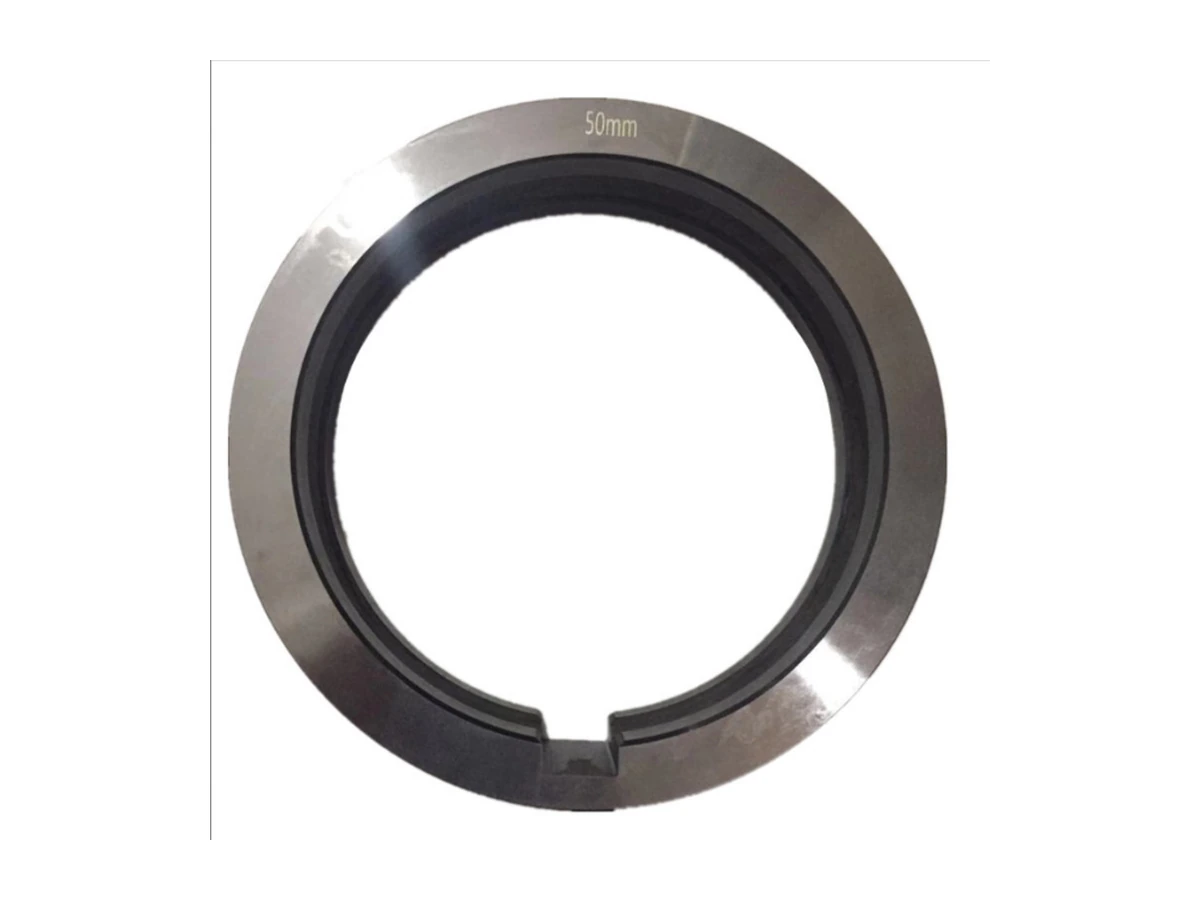
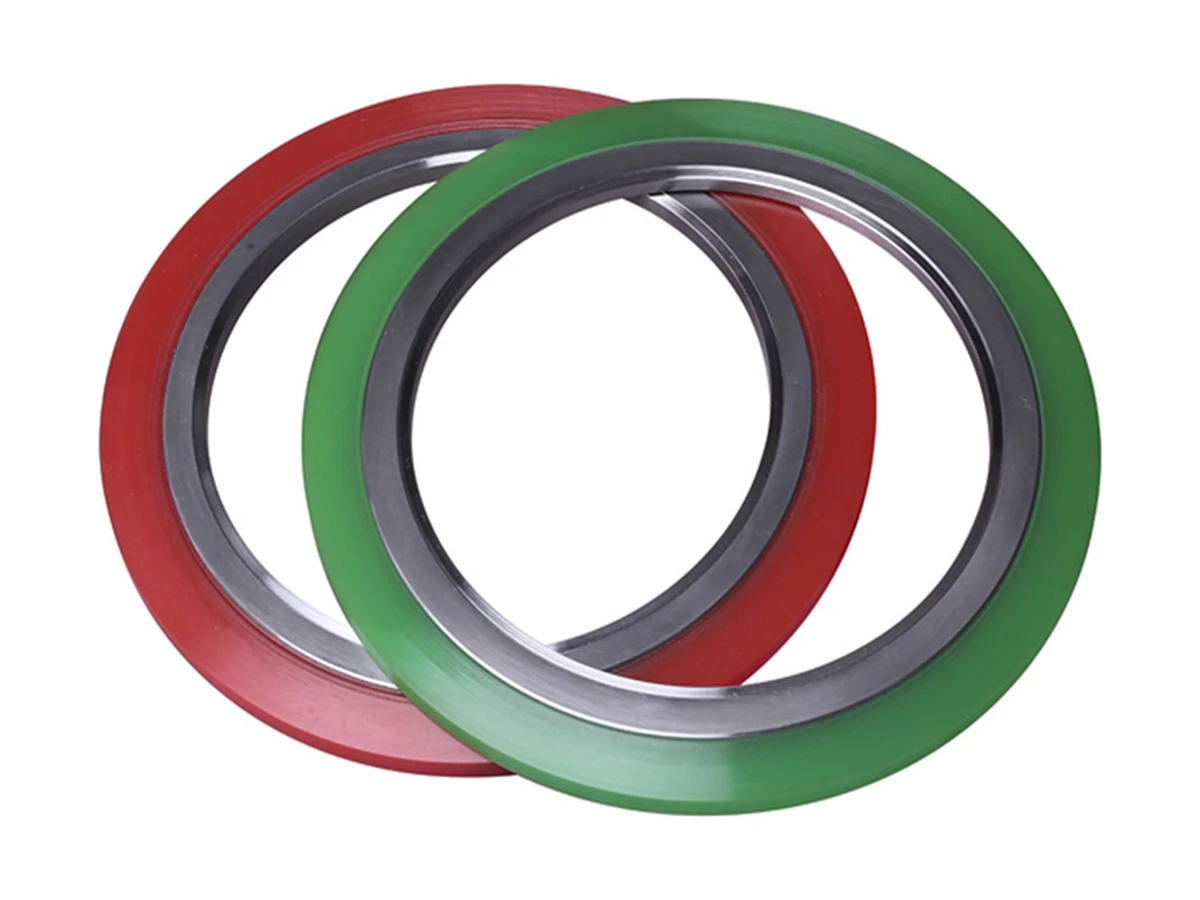
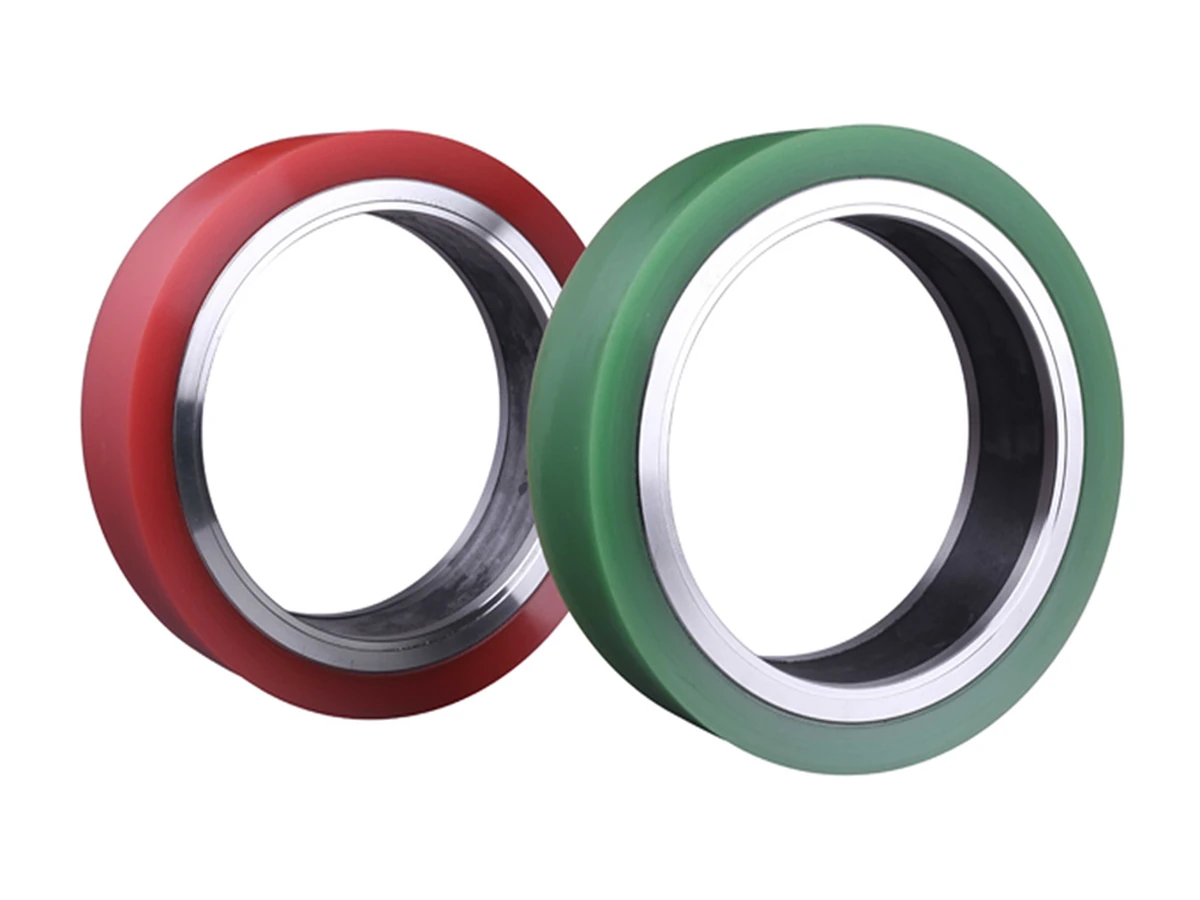
Locating bushes, support rings and stripper rings perform different tasks. Mark positions and contact surfaces on the assembly; distinguish coated rings from solid-metal spacers when defining construction and fit.
Product images are for reference. Final dimensions, materials and acceptance criteria are subject to the confirmed drawing and quotation.
Click an image to view product details.
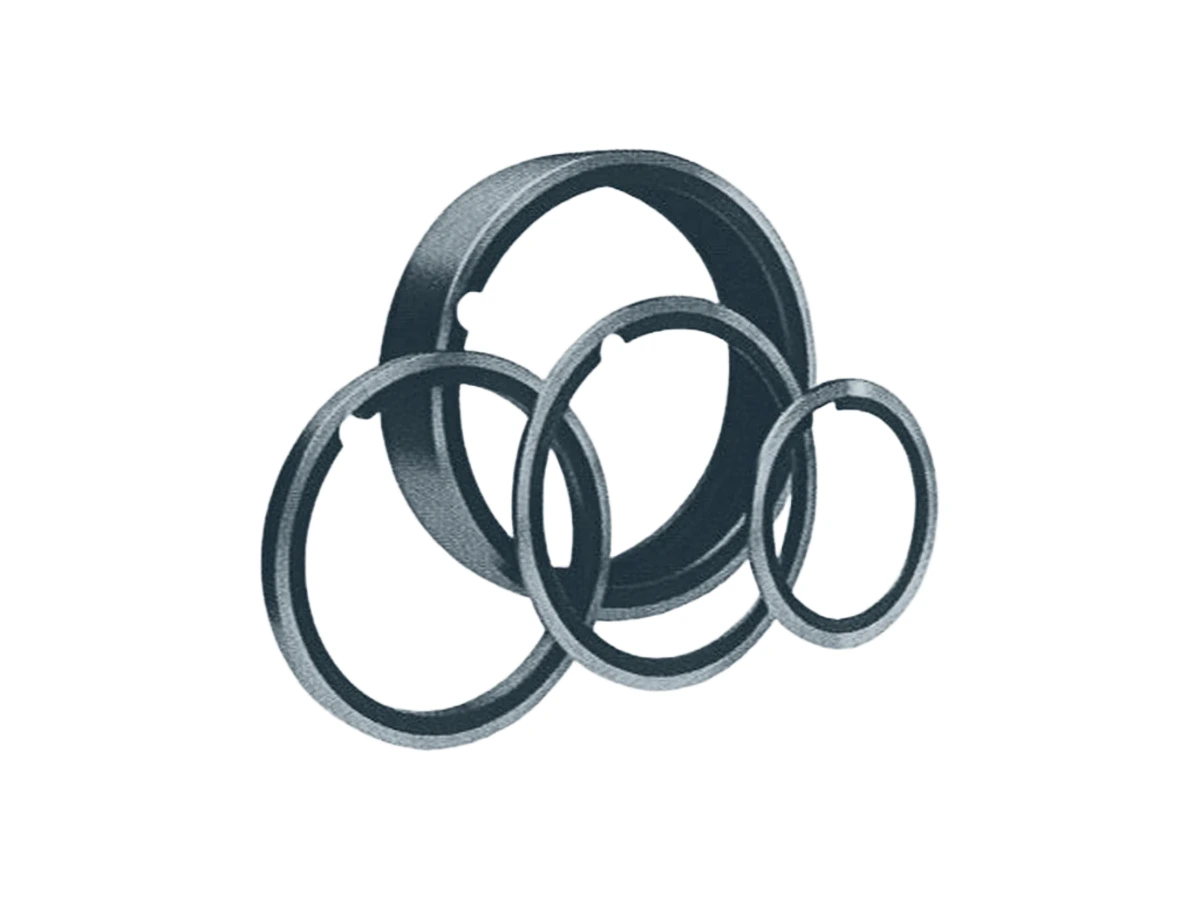
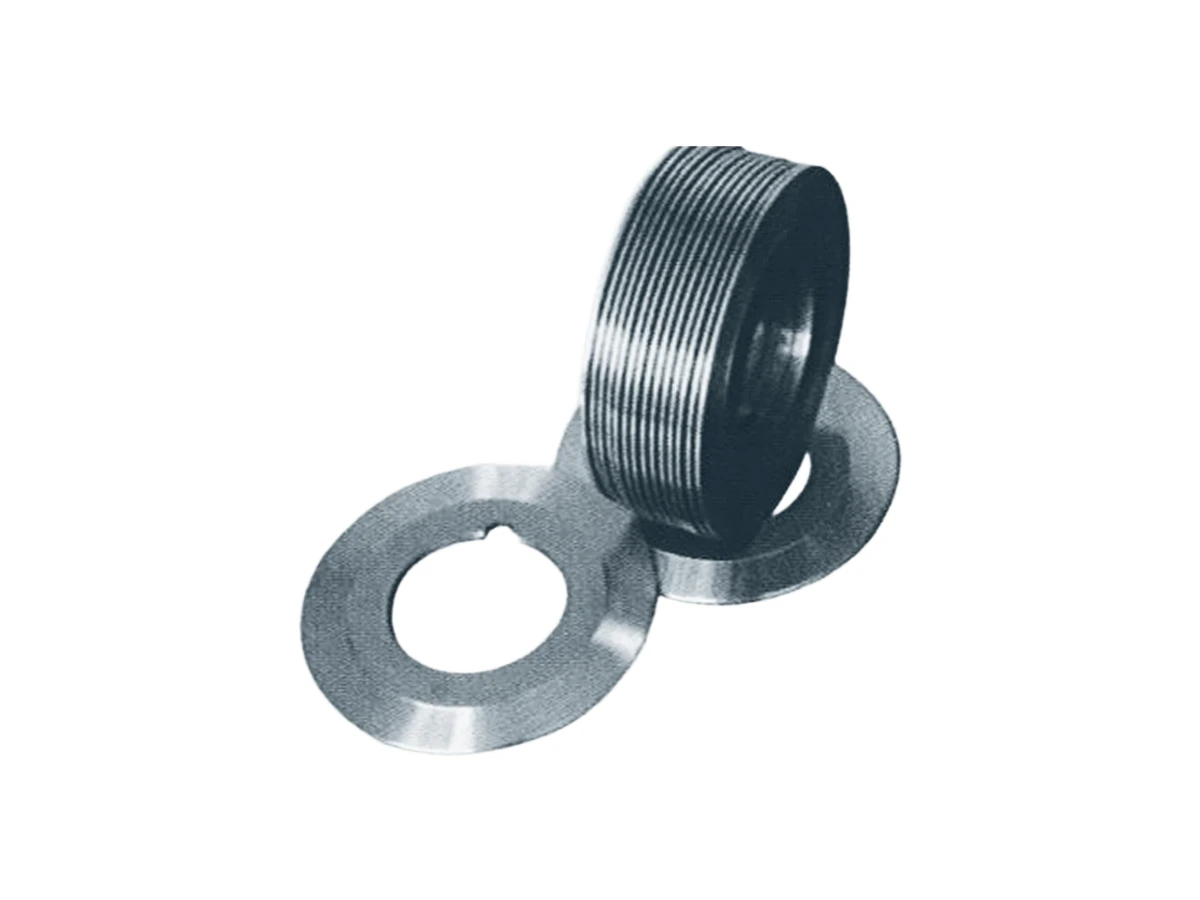
Share the information available using the checklist below to help us review the product against your application. If a complete drawing is not available, start with clear photographs and known dimensions.
The button below opens an email with a product-specific checklist. Fill in the details you know and attach drawings or photographs in your email client.
Email a technical enquiryInformation is for initial review, not a commitment on compatibility, supply or performance. Final materials, geometry, configuration, lead time and acceptance requirements are subject to the confirmed drawing and quotation.
Clarify the operating conditions and interfaces before deciding on materials, geometry or configuration.
No. Each position also requires knife thickness, order, target strip width and quantity. A setup sheet or assembly sketch allows the individual combinations to be reviewed rather than inferred from total thickness.
Not directly. Cumulative dimensions, end-face cleanliness, knife thickness and arbor condition may also affect width. Separate individual inspection from complete-stack setup and check the measurement method used on site.
First identify whether each part locates, supports or strips the material. Review its contacts and construction; equal external dimensions do not establish equal function. Provide assembly positions and existing-part images.
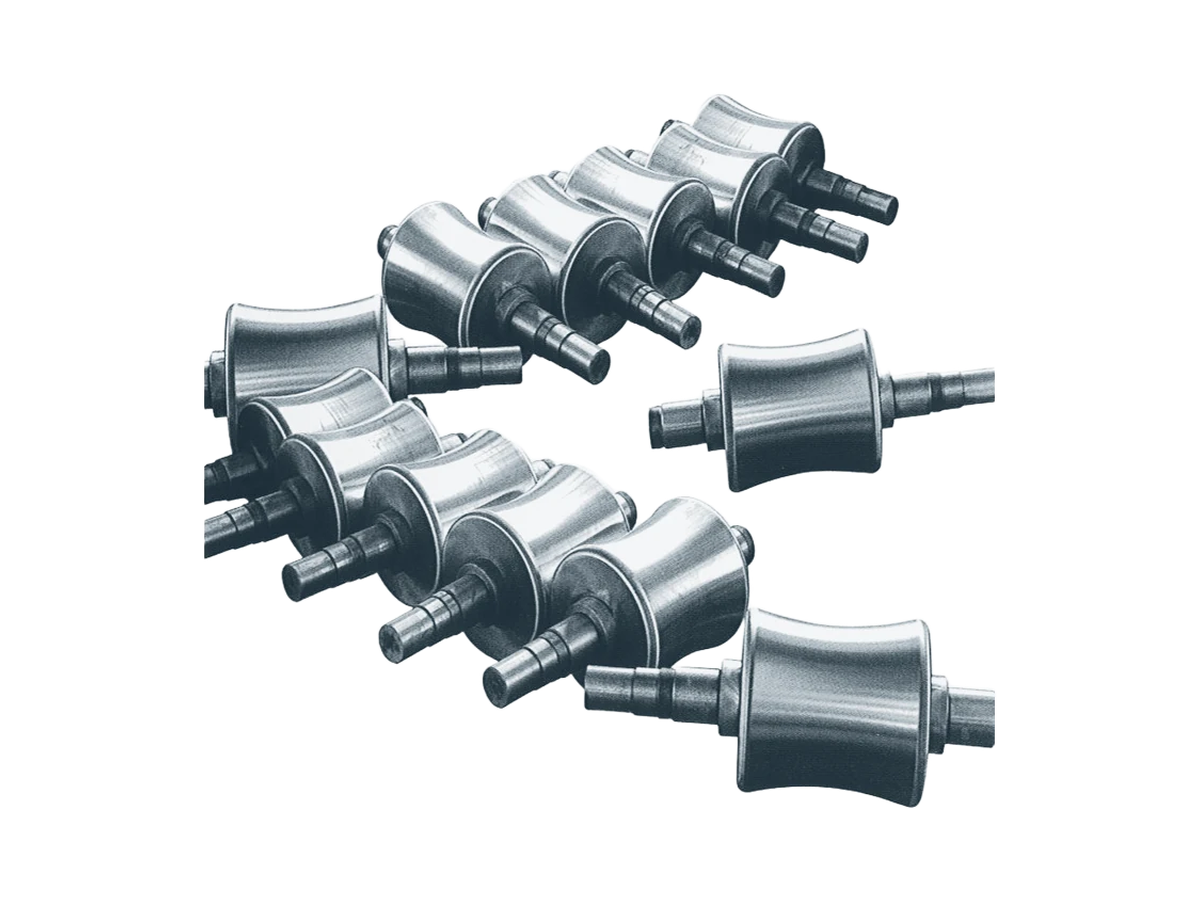
Straightening, carrying and profile rolls for industrial processing lines.
View product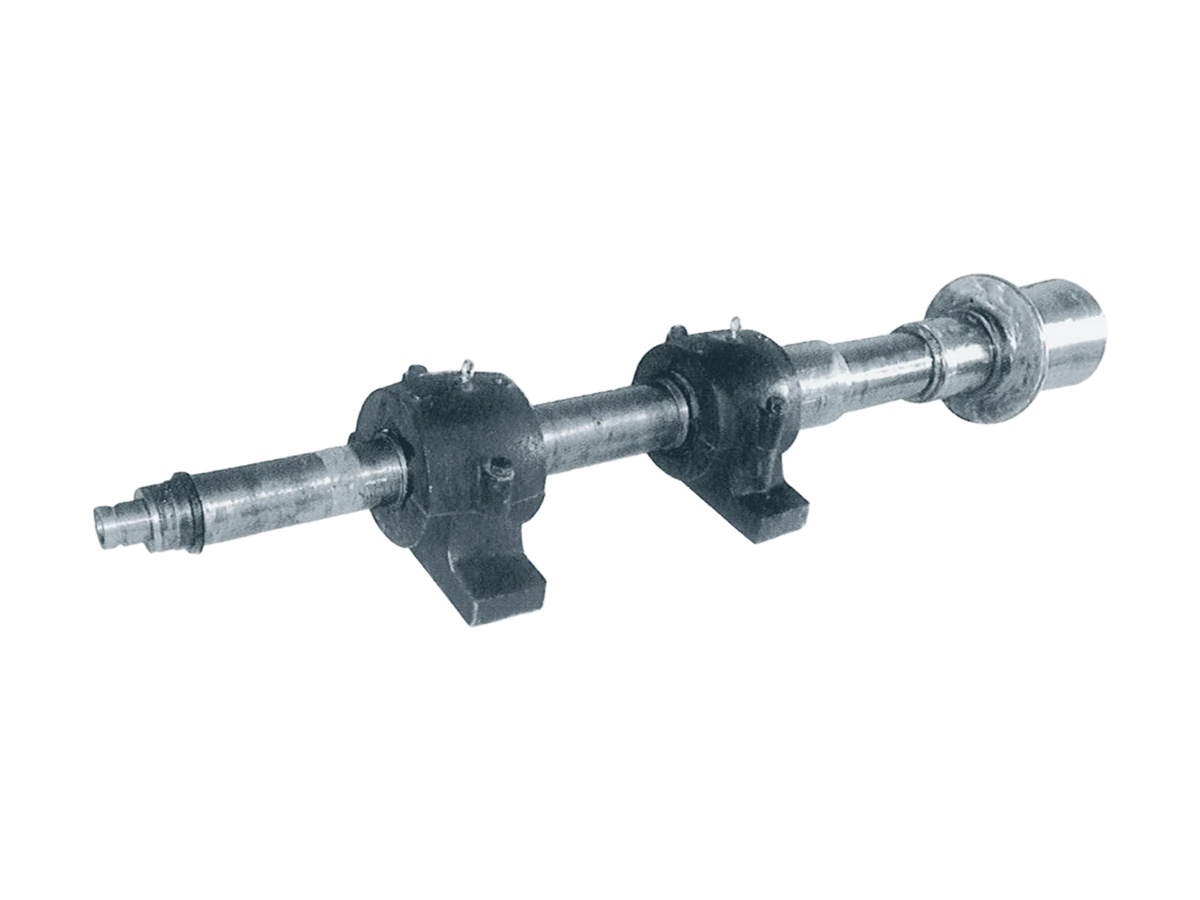
Cantilever roller assemblies for feeding and discharging reheating furnaces.
View product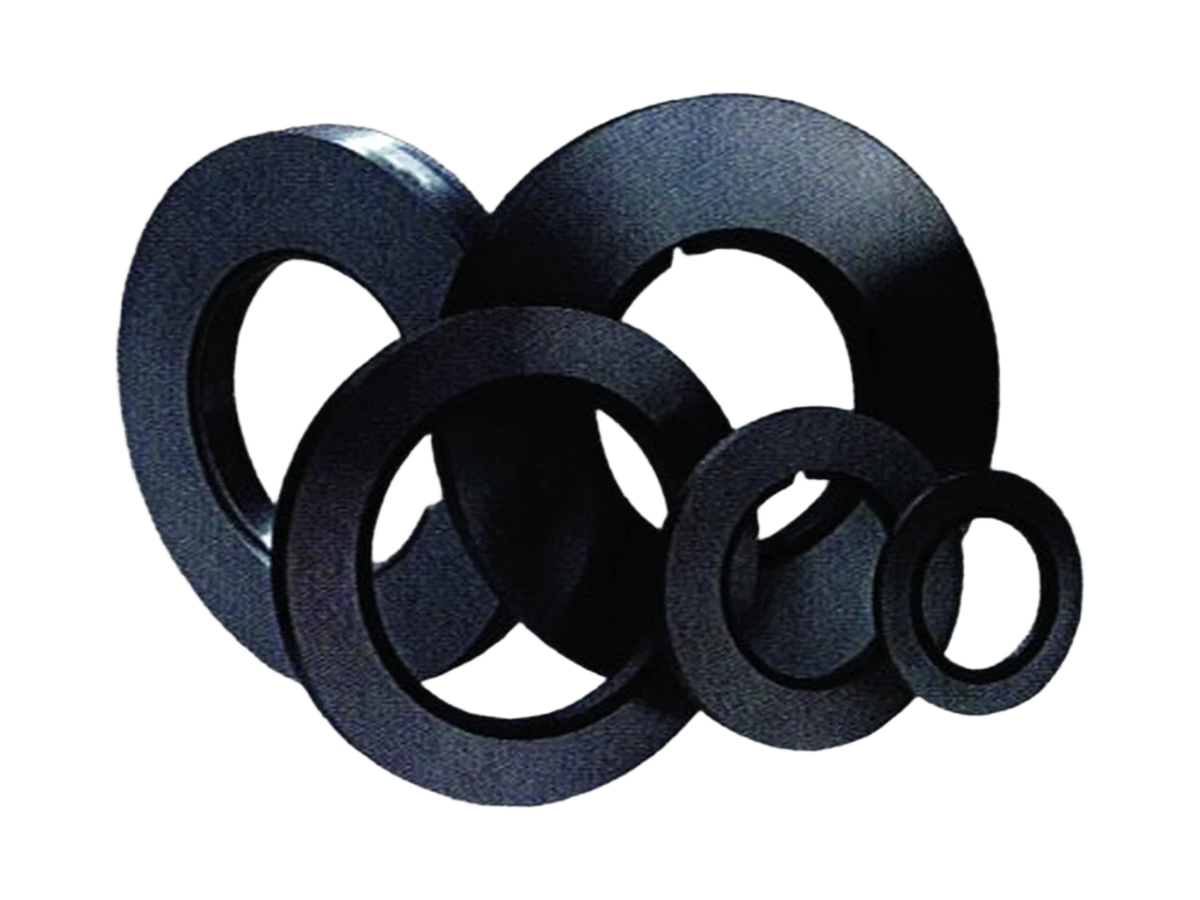
Precision circular knives for coil slitting and edge trimming.
View productShare the operating conditions and quantity so we can define the next step.