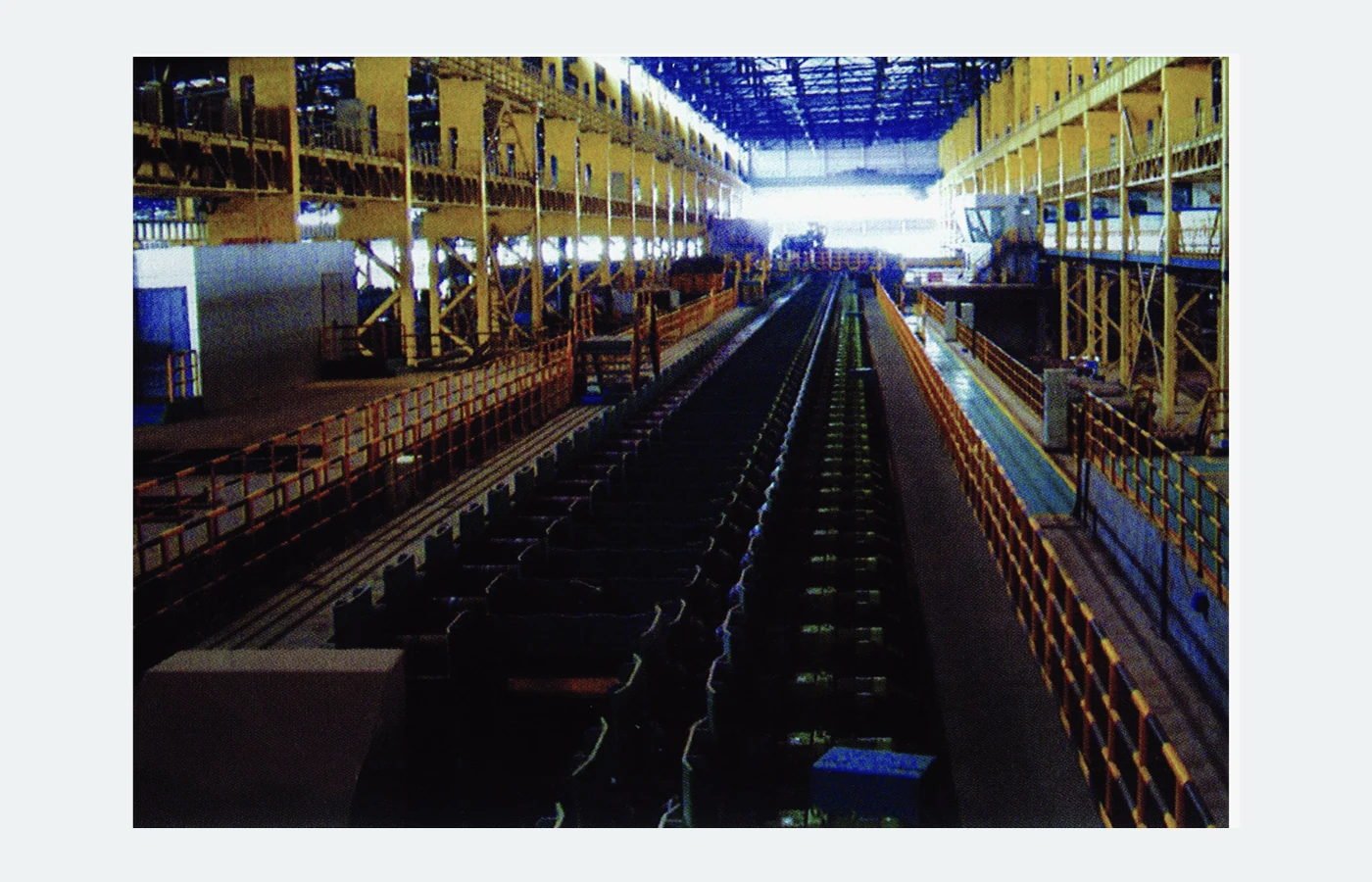
Steel-line roller tables
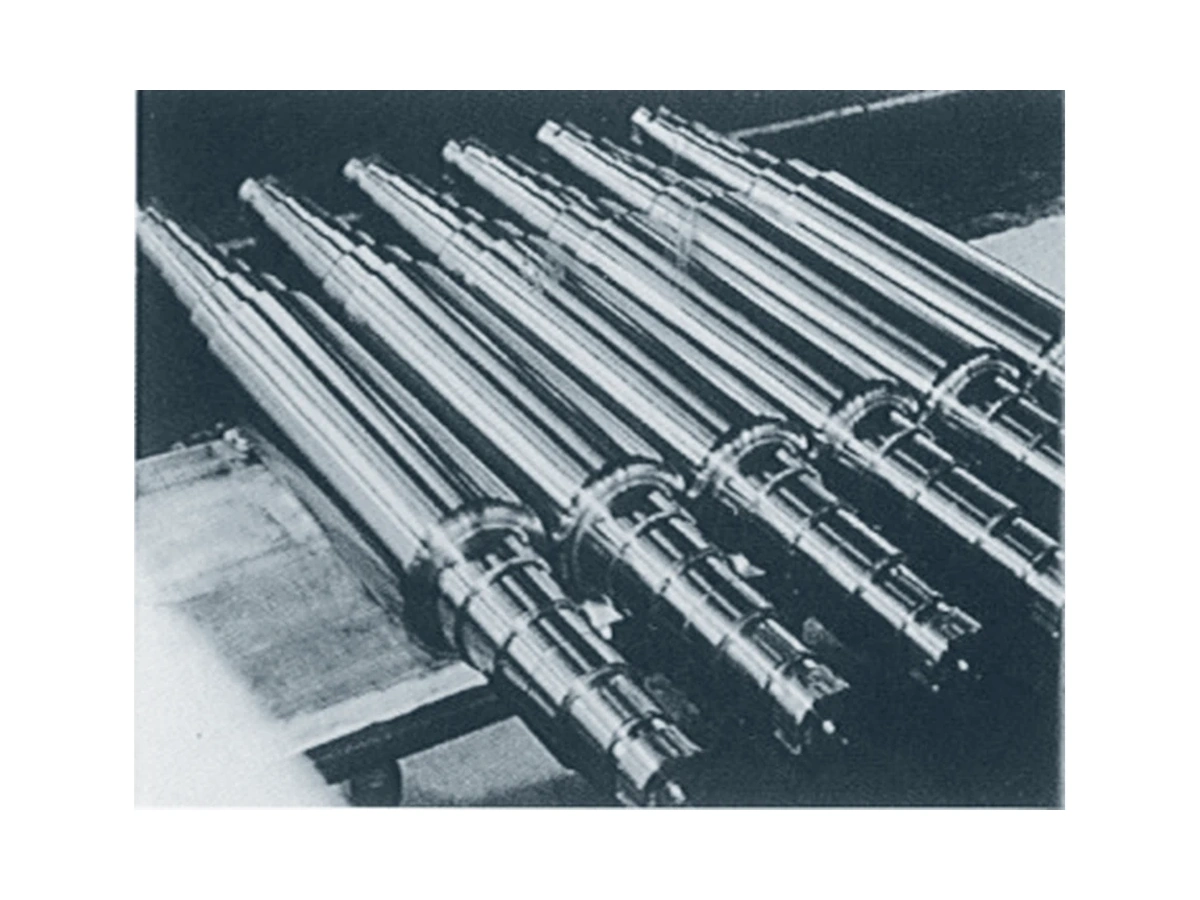
Rolls support and guide material through the line. Profile, face length, bearing interfaces and load conditions determine the replacement requirement.
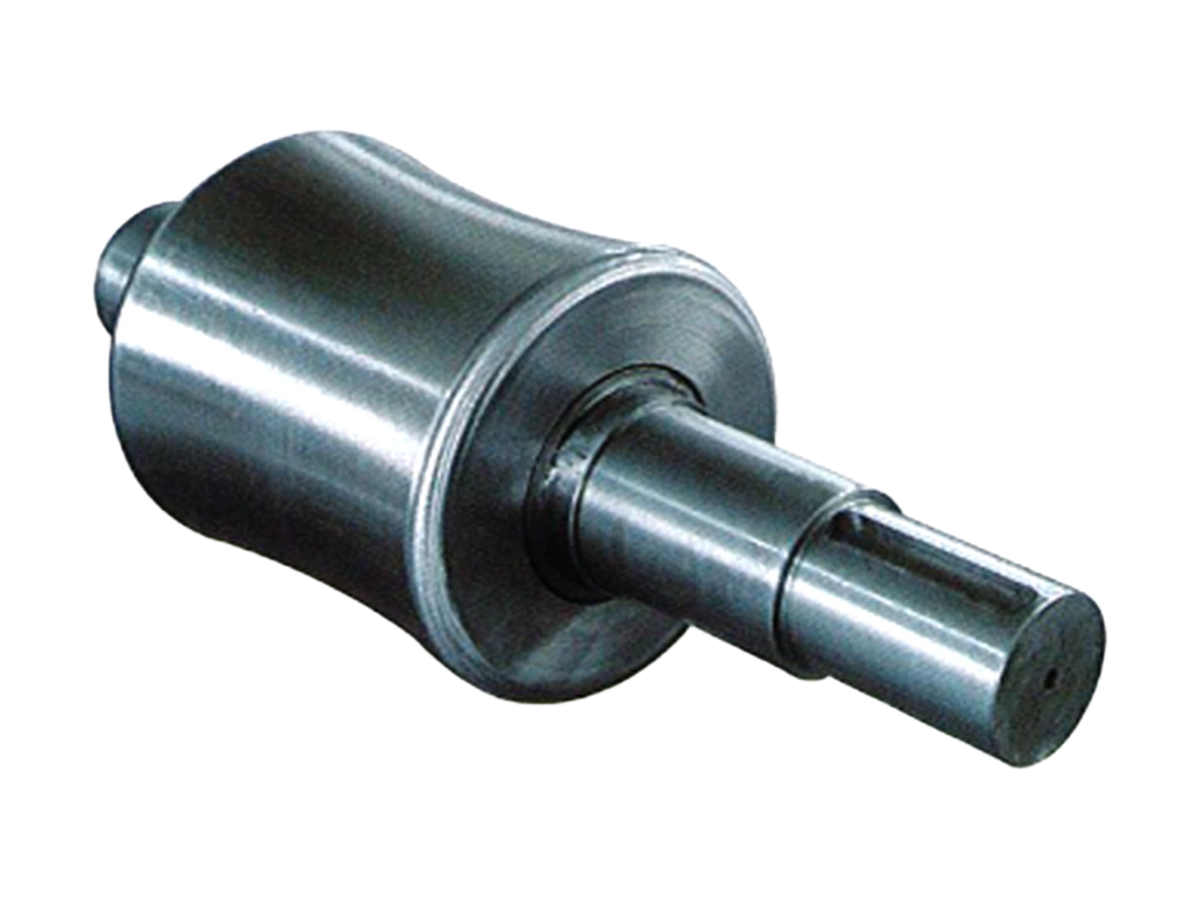
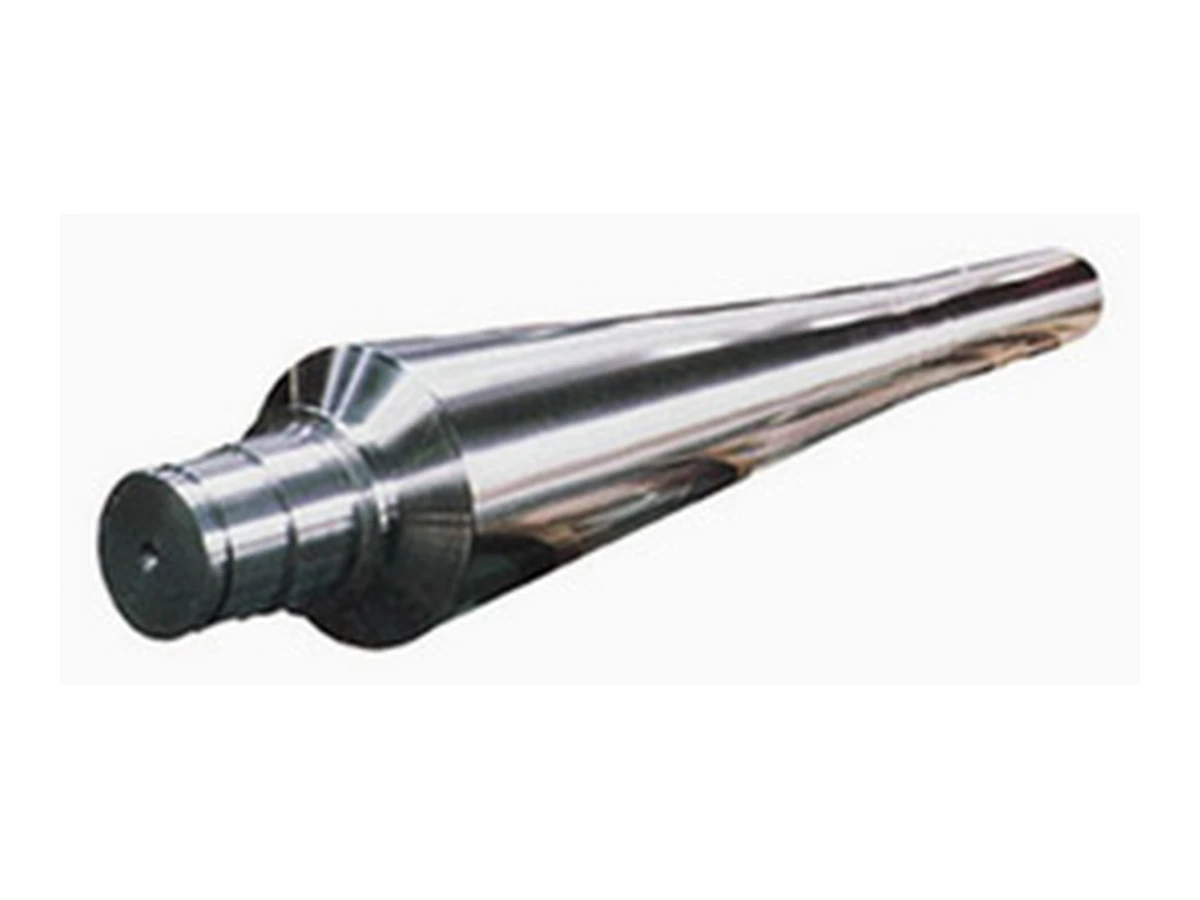
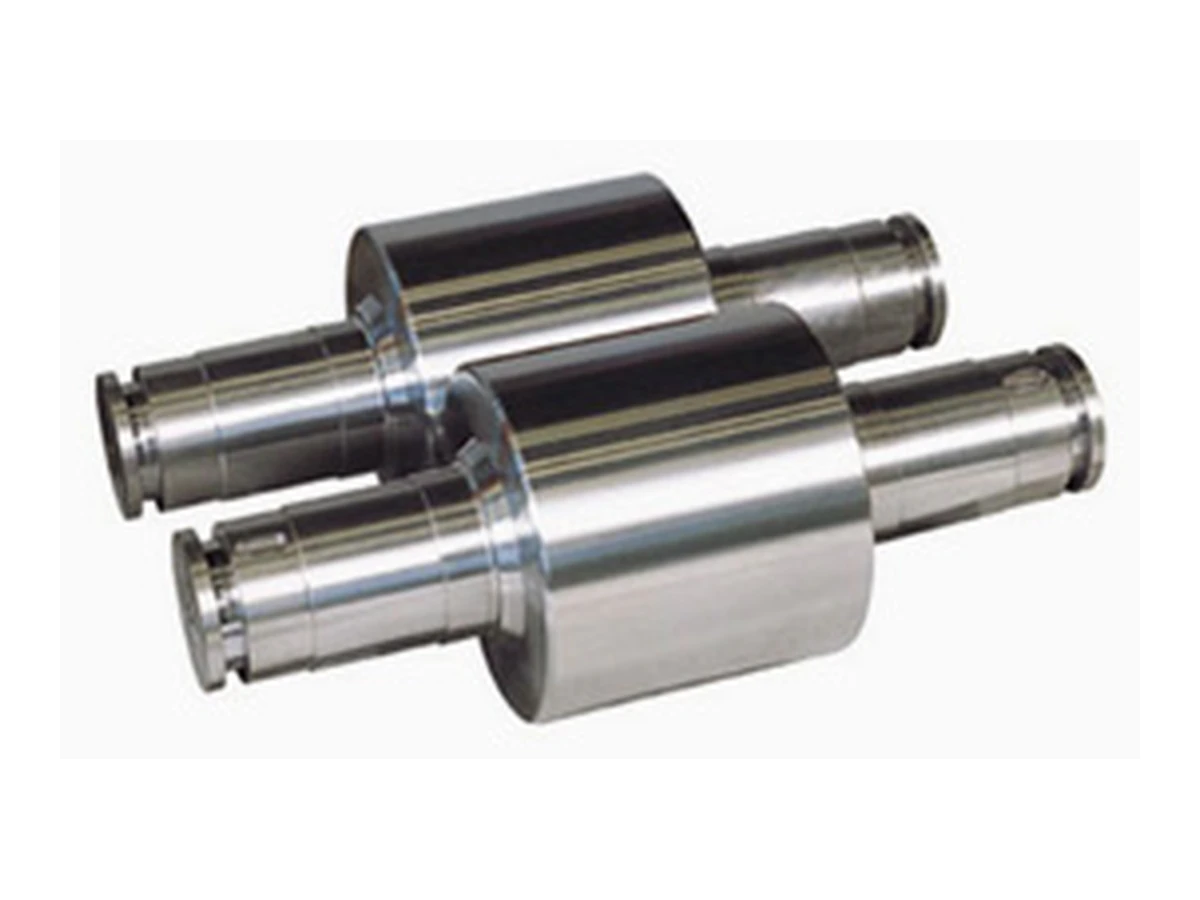
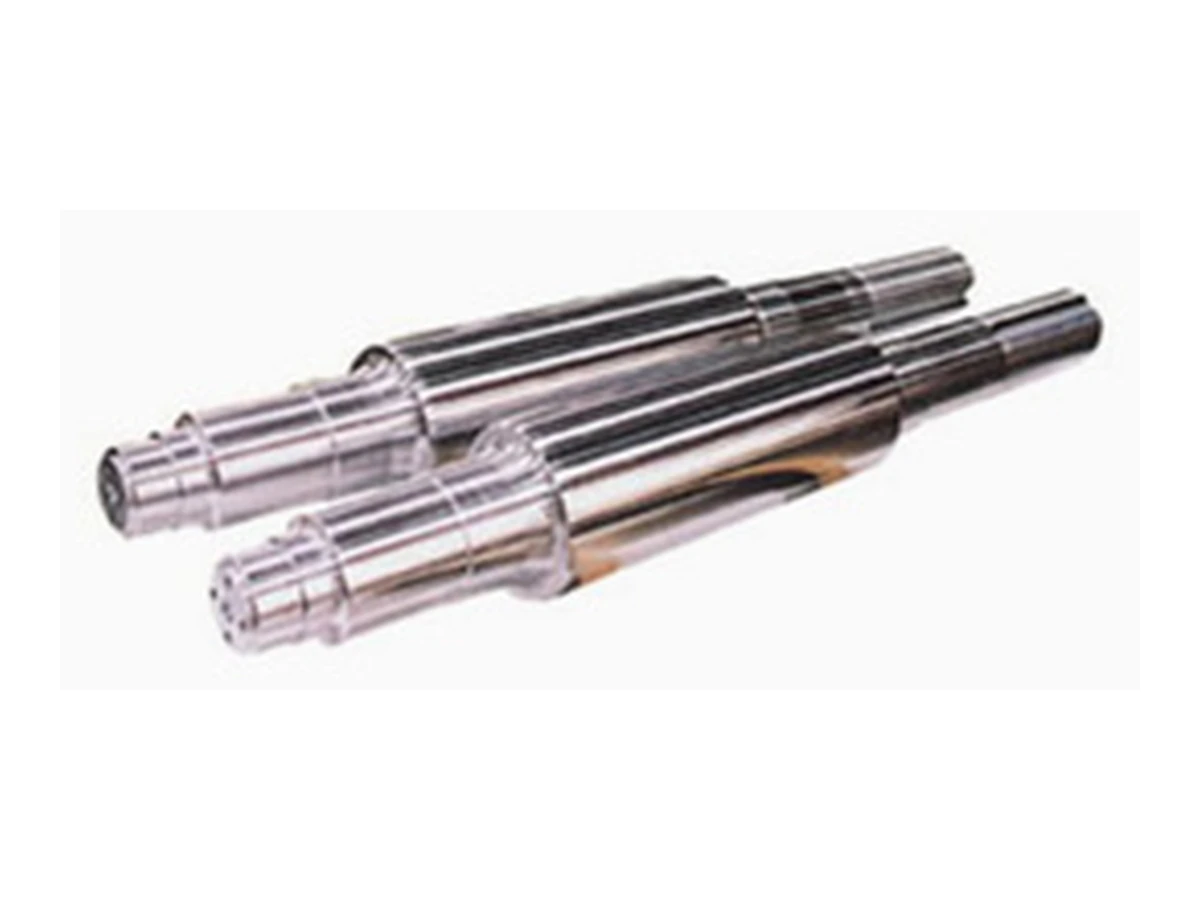
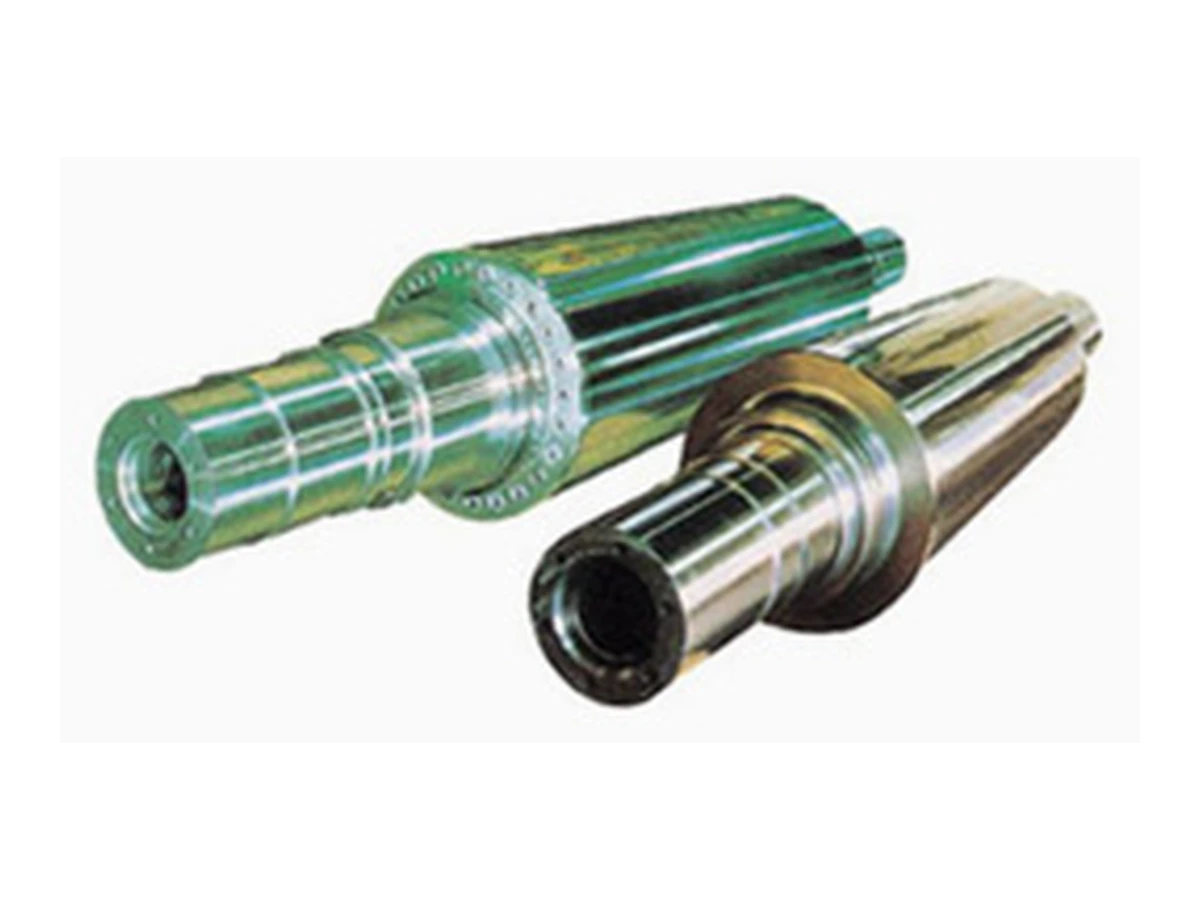
Industrial rolls and roller components support, straighten and guide material through processing lines, using cylindrical or profiled working surfaces according to the task. Selection should distinguish the roll's function and review its profile, bearing interfaces, drive connections, loading and workpiece temperature as a complete arrangement. Roll diameter and face length alone do not define a compatible replacement, particularly where different positions on the same line have different contacts, supports or drive requirements.
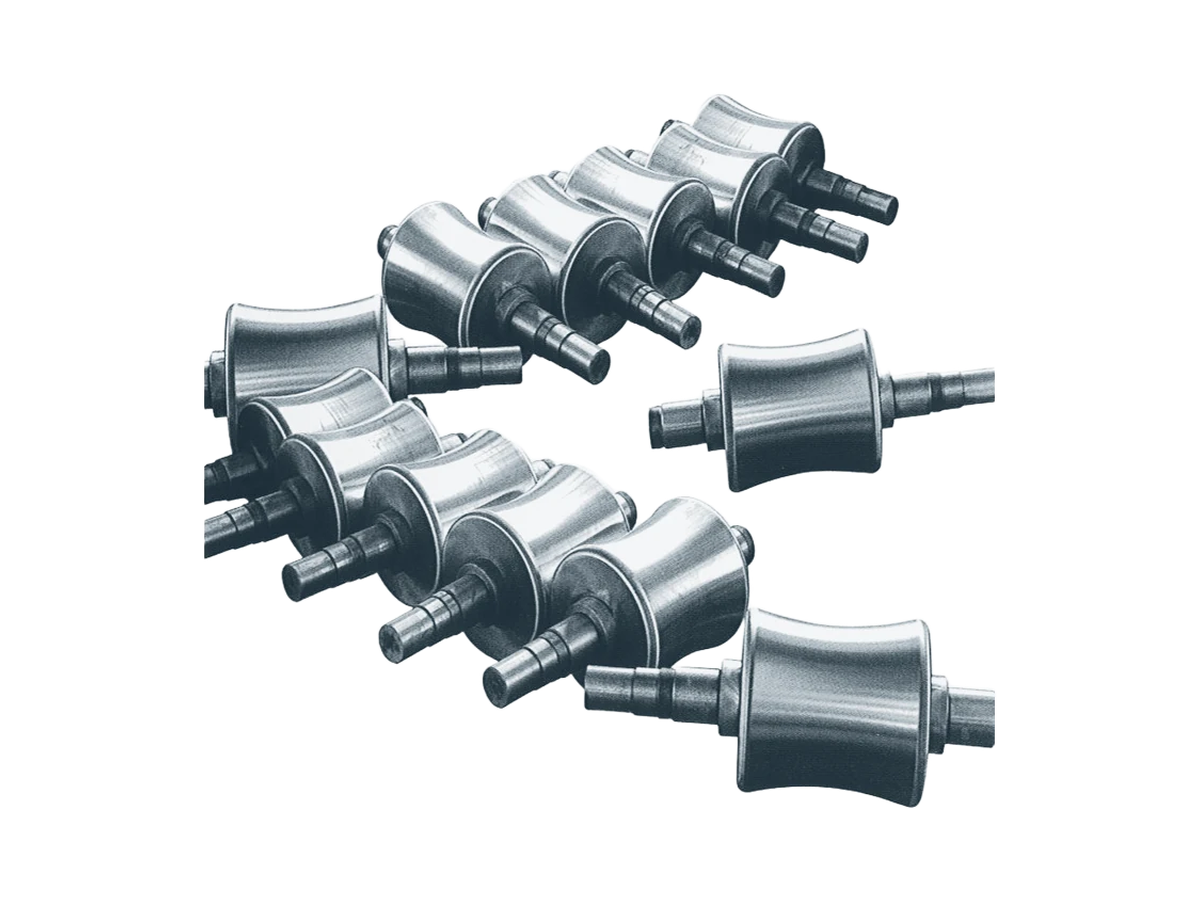
Rolls support and guide material through the line. Profile, face length, bearing interfaces and load conditions determine the replacement requirement.
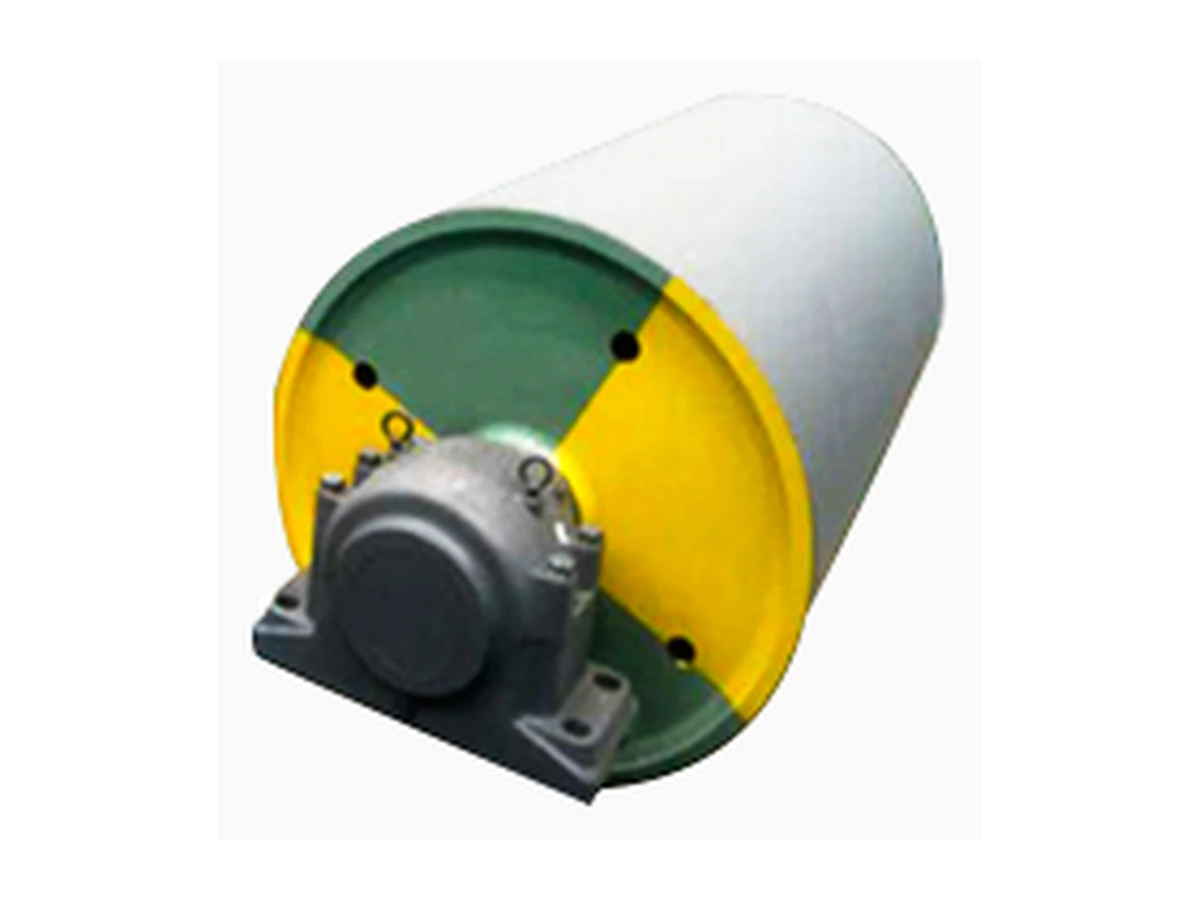
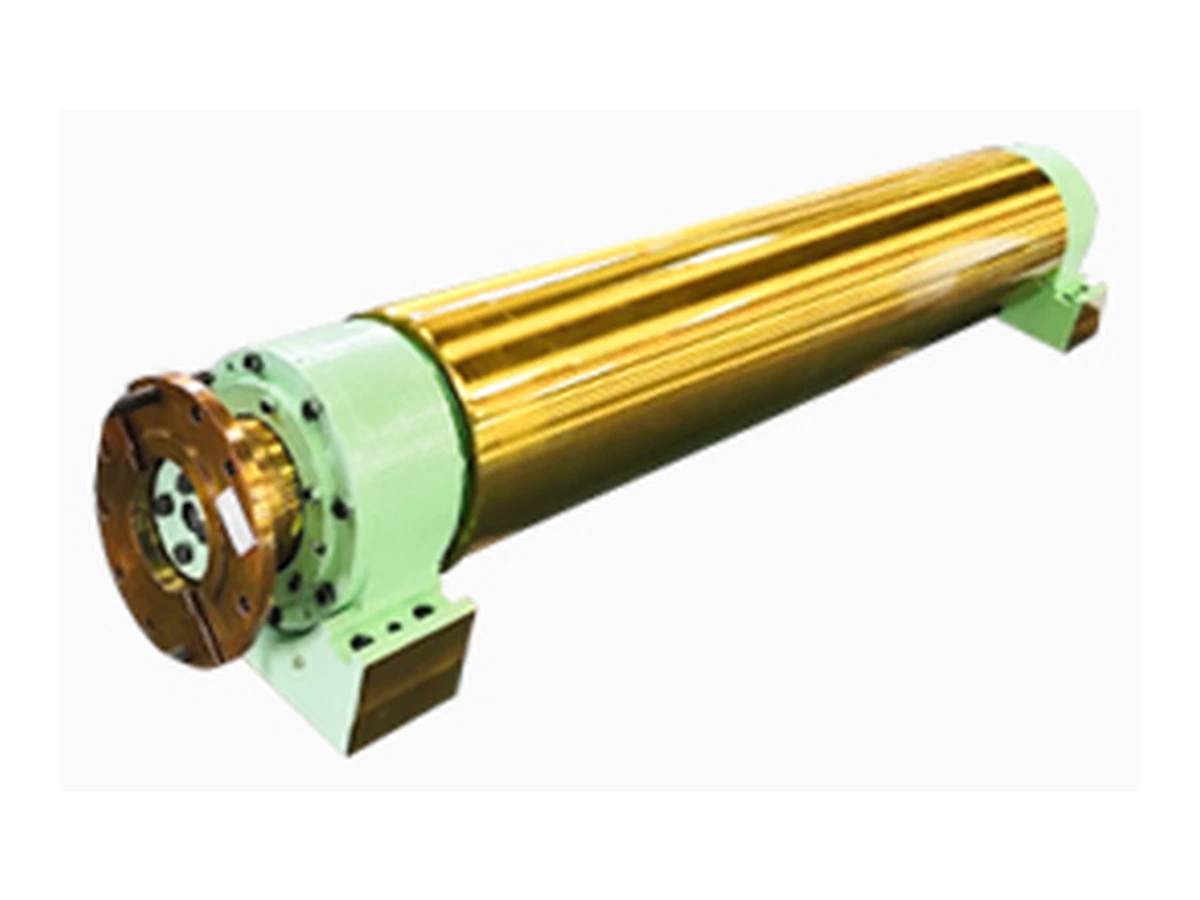
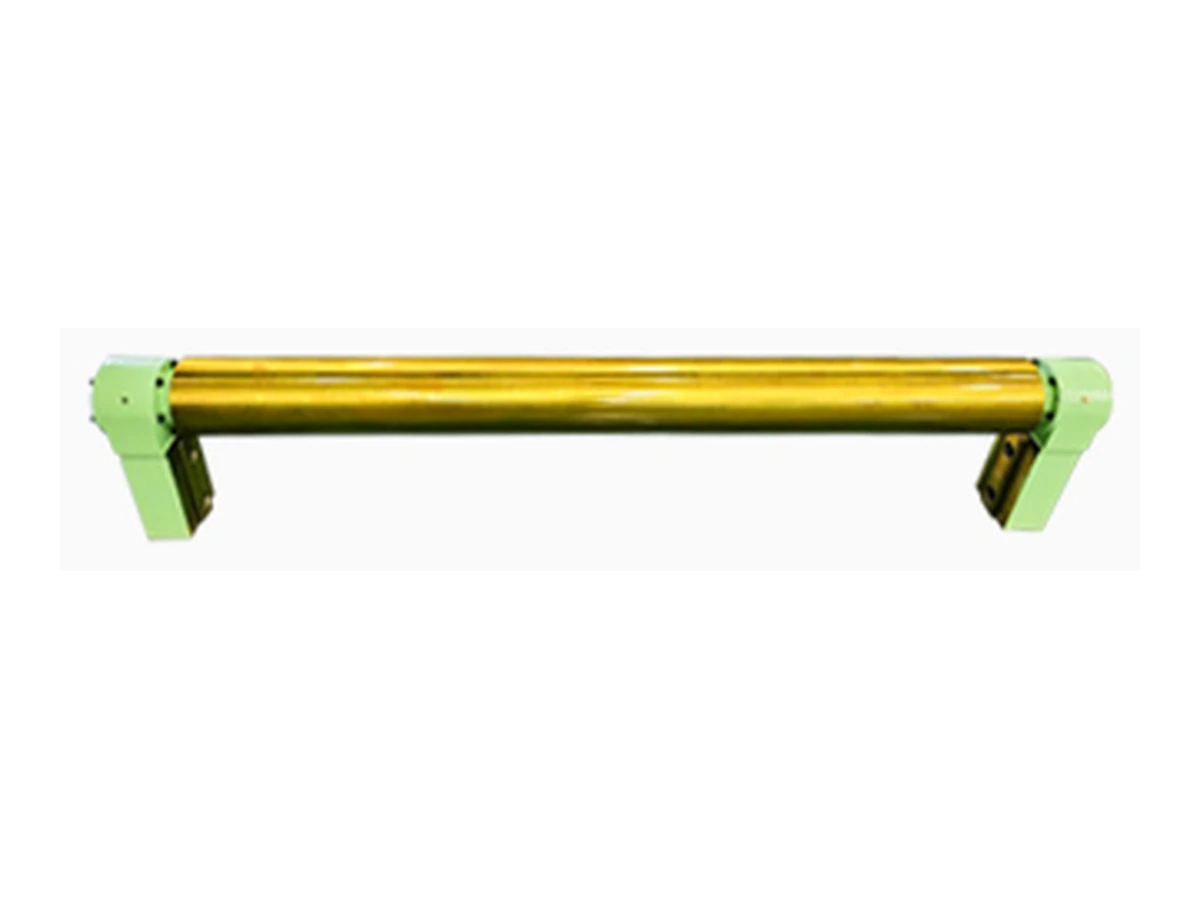
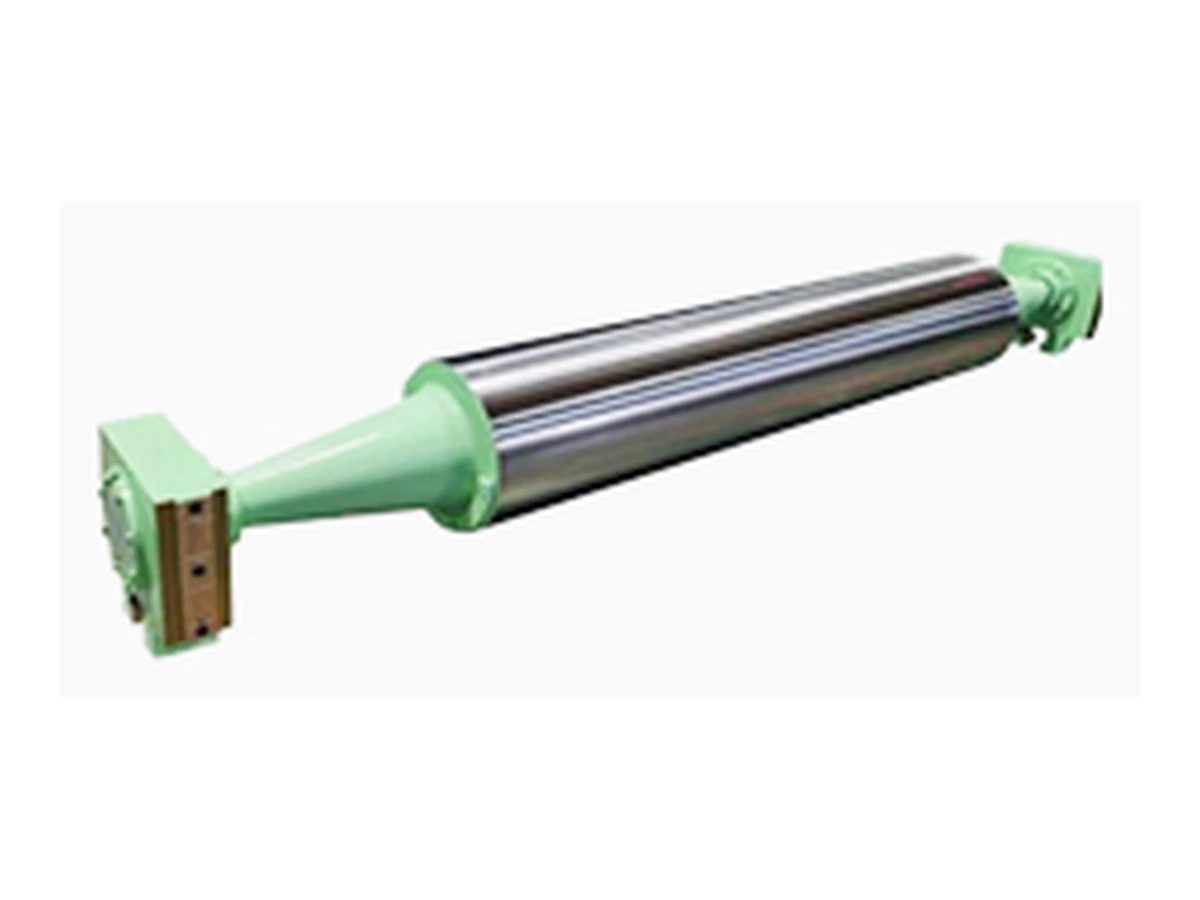
Equipment photographs show application context only; the supply scope on this page is the listed tooling or components, not complete machines.
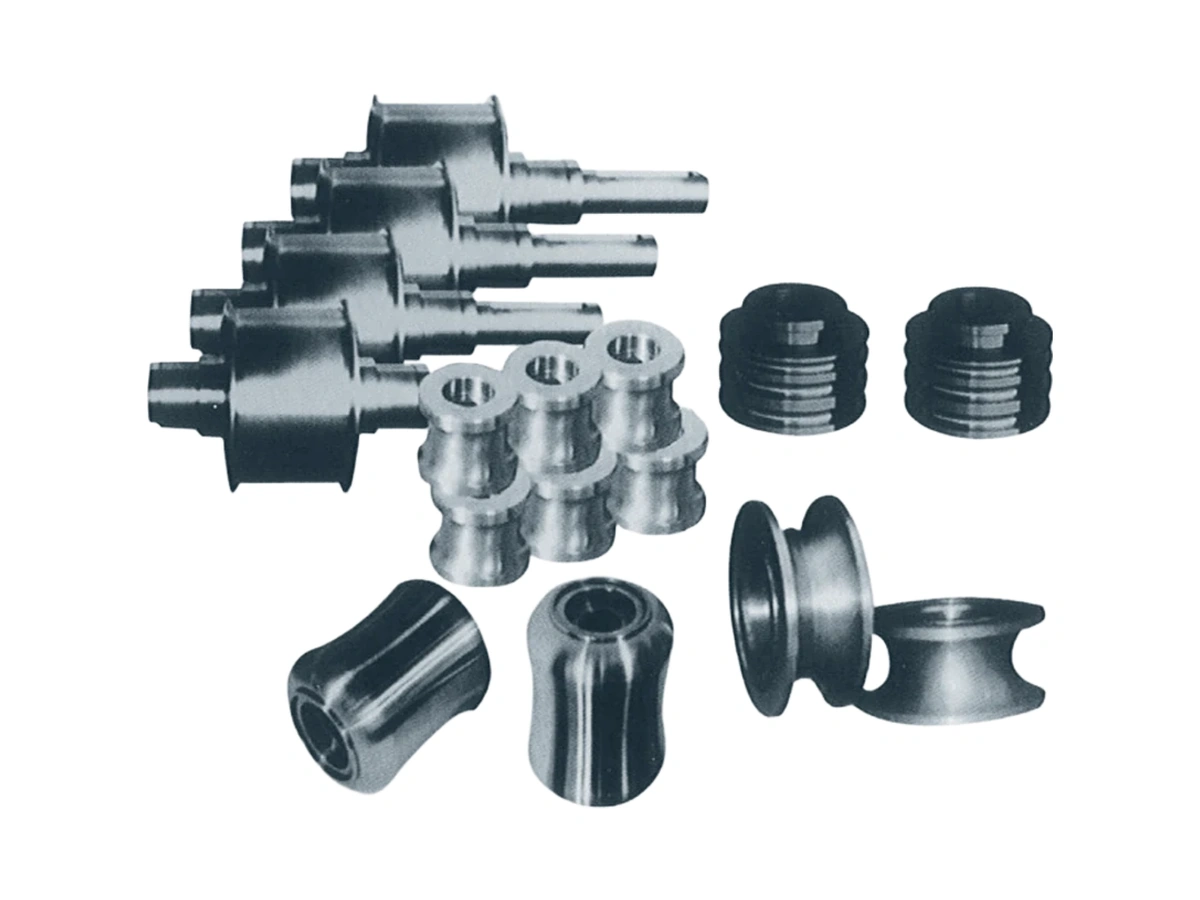
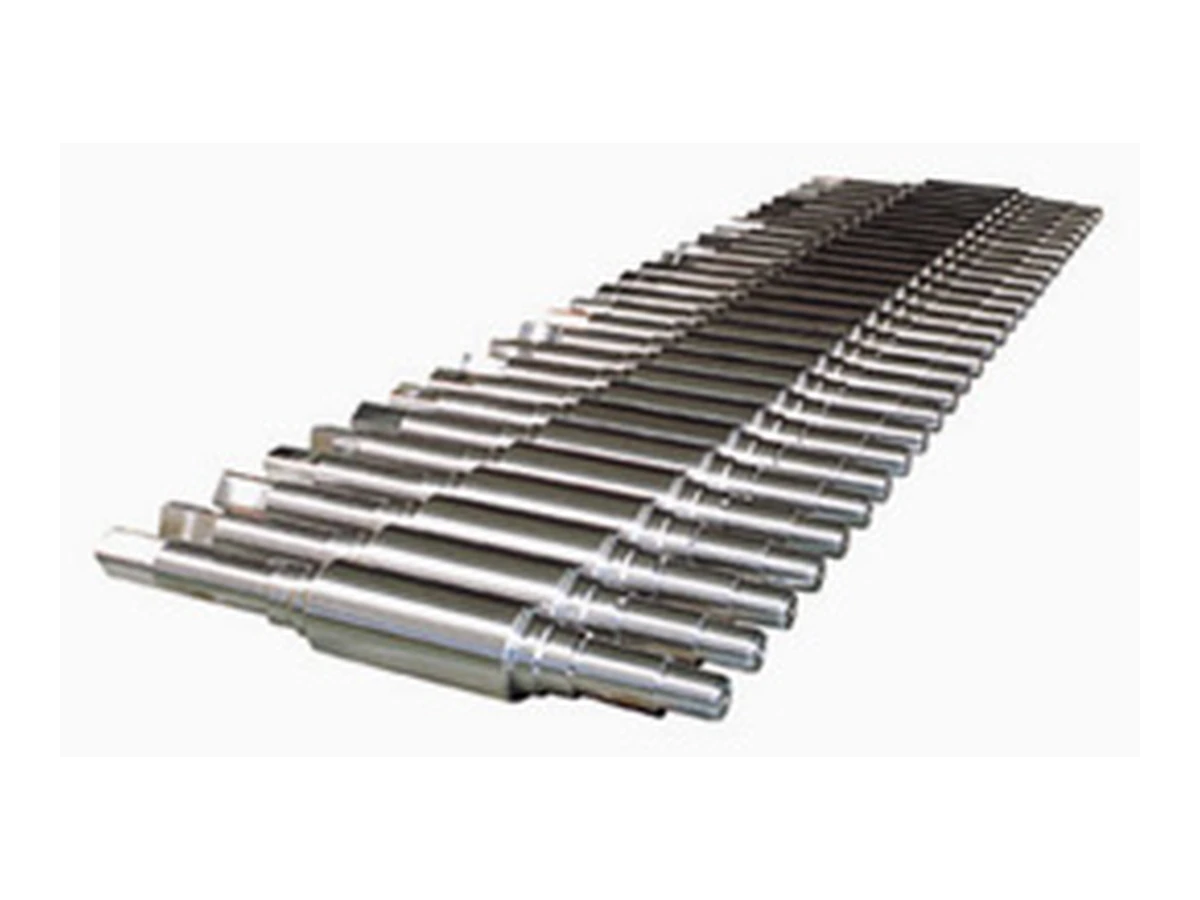
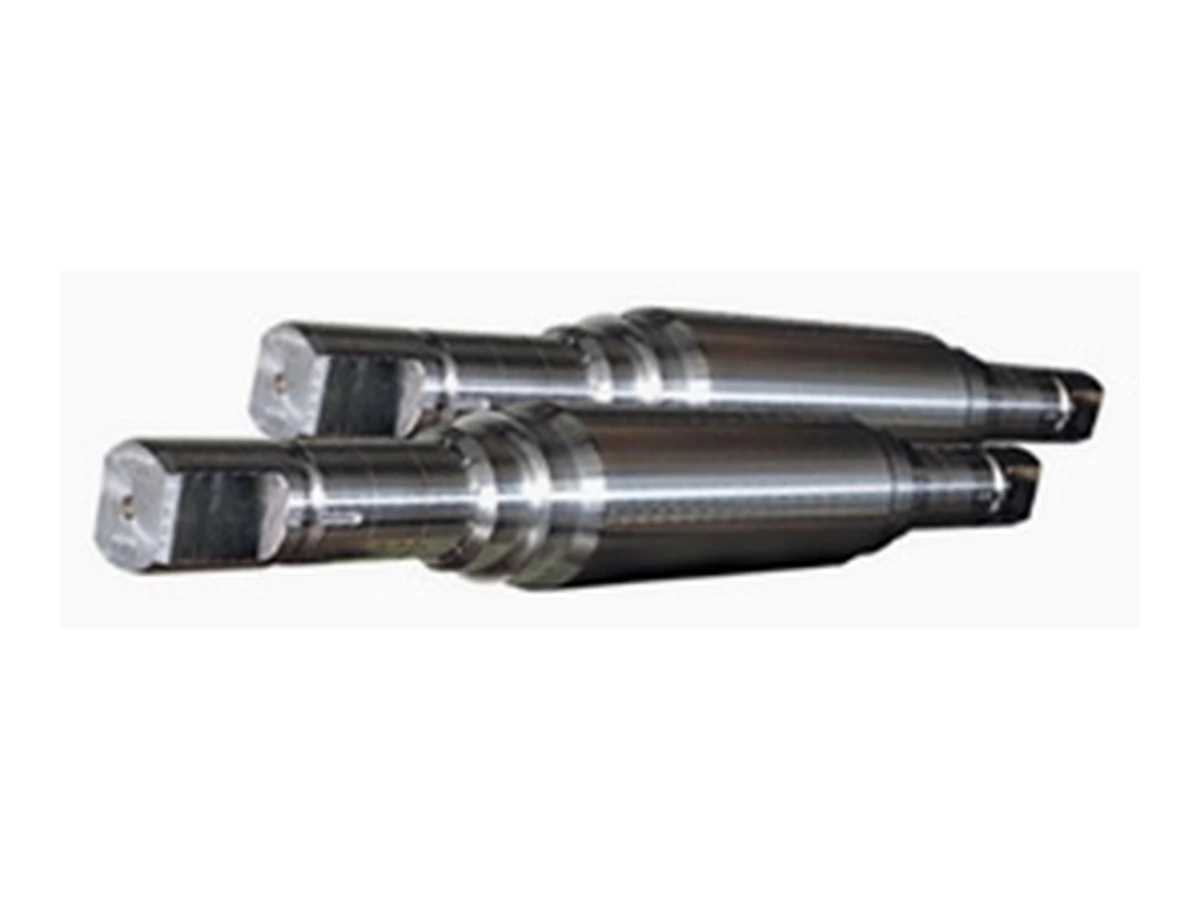
Configurations include rolling-mill work and backup rolls, table and conveying rolls, straightening rolls, pinch and tension rolls, and profile-guiding components, as well as roller components for packaging machinery. Confirm the function, dimensions and operating conditions for each position.
Material options include 25CrMo4, 35CrMo, 42CrMo, Cr5 and Cr8, subject to application review. They are not a universal specification for every roll. Shaft details, profile and wear conditions determine material selection.
Describe workpiece size, loading per roll and roll spacing, distinguishing driven and idle positions. Review face length and shaft construction with the existing table, bearing housings and drive components.
Provide station arrangement, workpiece section, contact positions and adjustment method. Assess the roll profile with the complete set; similar diameters do not establish interchangeability between different working positions.
Profiled guide rolls need review against workpiece section and groove contact, while packaging-machine rolls need their original interfaces checked. Describe these duties separately instead of grouping them by the roll name alone.
Product images are for reference. Final dimensions, materials and acceptance criteria are subject to the confirmed drawing and quotation.
Click an image to view product details.
Share the information available using the checklist below to help us review the product against your application. If a complete drawing is not available, start with clear photographs and known dimensions.
The button below opens an email with a product-specific checklist. Fill in the details you know and attach drawings or photographs in your email client.
Email a technical enquiryInformation is for initial review, not a commitment on compatibility, supply or performance. Final materials, geometry, configuration, lead time and acceptance requirements are subject to the confirmed drawing and quotation.
Clarify the operating conditions and interfaces before deciding on materials, geometry or configuration.
Shaft construction, bearing interfaces, drive method and position are also required. Provide full-length photographs and measured sketches of both ends; verify critical fits from drawings or actual installation measurements.
Record groove location, depth distribution, contacting workpiece and service interval, with overall and close-up images. Grooves may involve contact, debris or operating settings and require review alongside actual duty.
Review load, contact form, temperature and profile requirements separately. The same material designation does not establish equal suitability; provide both working positions and existing service records for assessment.
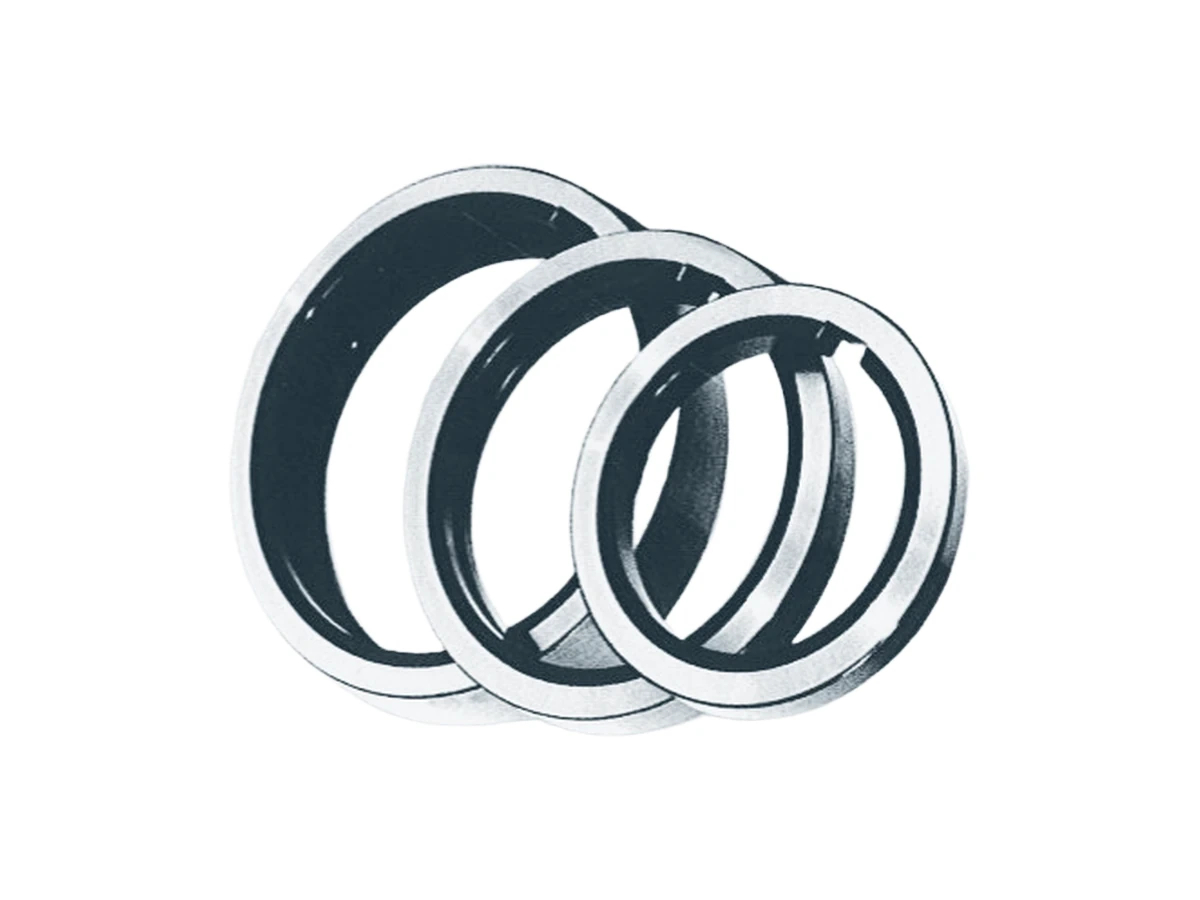
Cutter shims, locating bushes and spacer sets for accurate slitting setups.
View product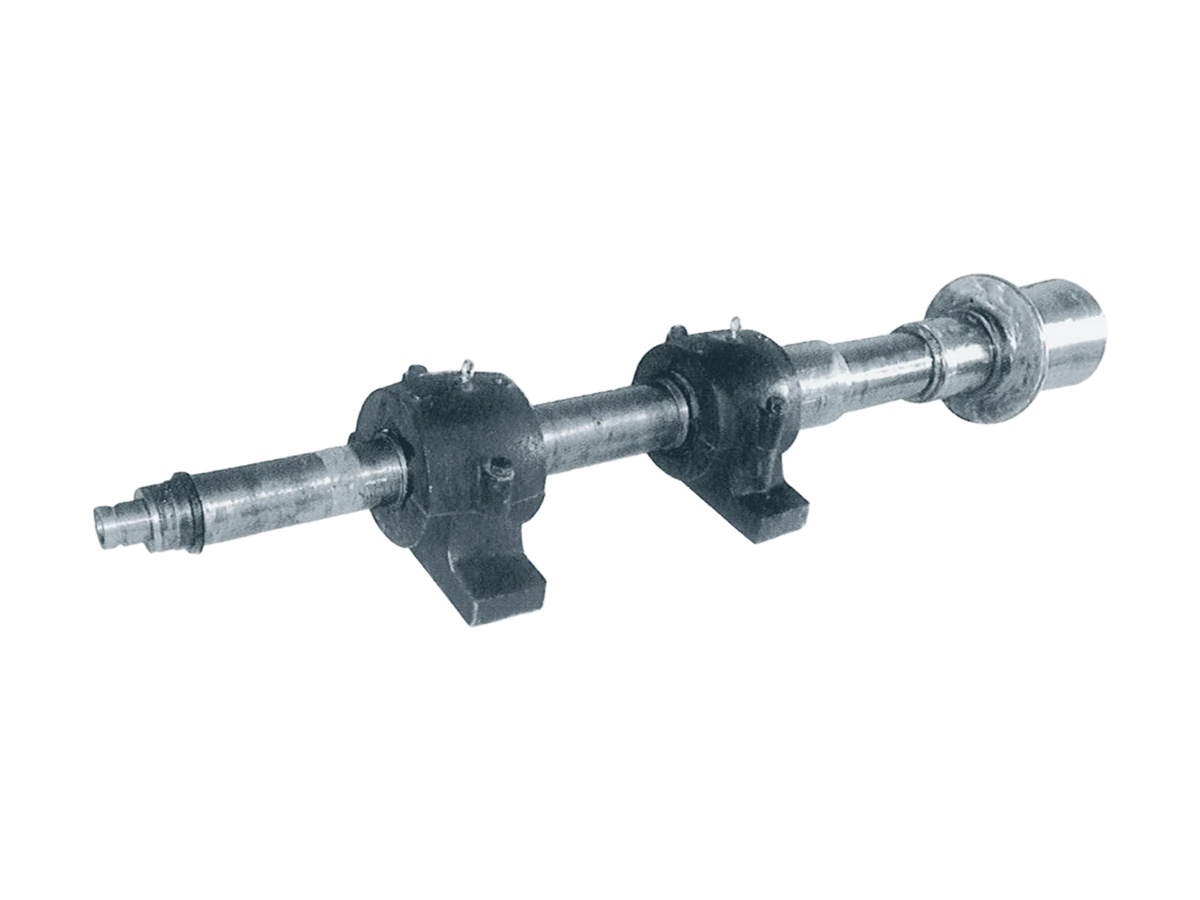
Cantilever roller assemblies for feeding and discharging reheating furnaces.
View product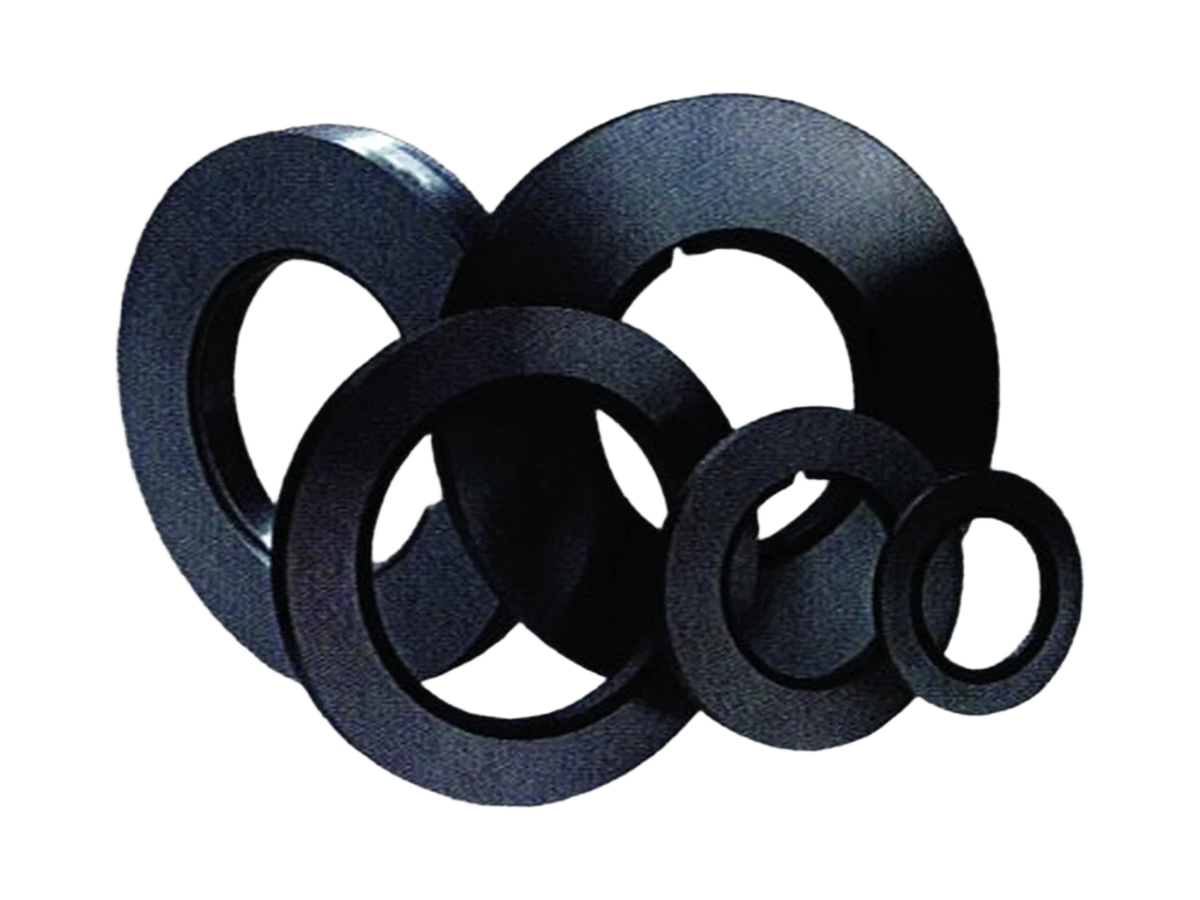
Precision circular knives for coil slitting and edge trimming.
View productShare the operating conditions and quantity so we can define the next step.